'We Need To Hear From Iran': Shippers Want Tehran To Guarantee Safe Transit Through Hormuz
'We Need To Hear From Iran': Shippers Want Tehran To Guarantee Safe Transit Through Hormuz Published By, Last Updated: June 15, 2026, 21:56 IST Donald
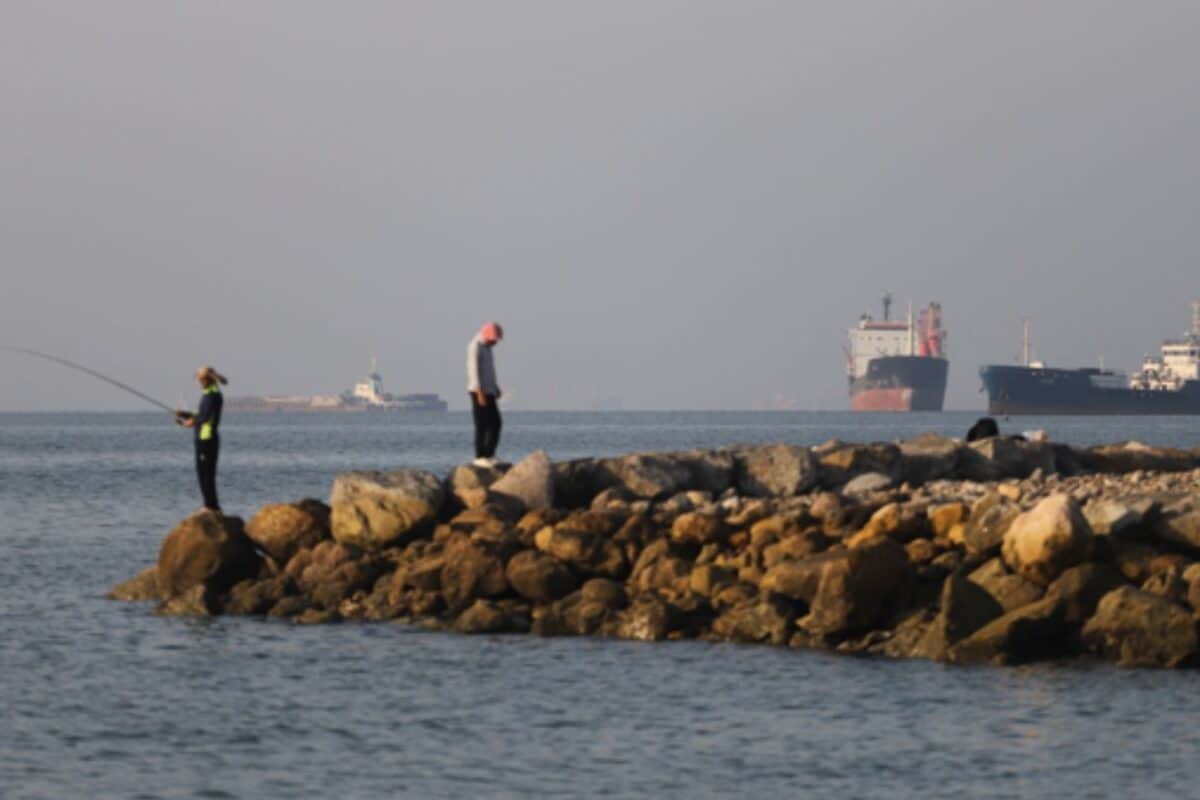
'We Need To Hear From Iran': Shippers Want Tehran To Guarantee Safe Transit Through Hormuz Published By, Last Updated: June 15, 2026, 21:56 IST Donald Trump peace deal aims to reopen the Strait of Hormuz, but shipping firms and seafarers remain wary as security and blockade questions persist. Shipping industry has welcomed the agreement to reopen the Strait of Hormuz while expressing caution that they would need more security guarantees before resuming transits. (Image: AFP File) While the world welcomes the peace deal announced by US President Donald Trump that could reopen the Strait of Hormuz, shipping companies remain cautious, awaiting further details before crossing the critical waterway. The Strait of Hormuz was closed in late February after the US and Israel attacked Iran, causing hundreds of ships getting stranded in the Persian Gulf. This affected the transport of oil and gas to global markets, causing an inflation of fuel prices.
The New York Times quoted SV Anchan, chairman of Safesea Group, a shipping company based in Piscataway, N.J., saying, “There are a lot of questions that need to be clarified." The company’s two ships were attacked since the war began. Check for Live Updates Emphasising that a clear commitment from Iran is needed, he said: “We want to hear from the Iranians that they will not attack us." Kpler, a ship tracking company, said around 500 large commercial vessels remain in the gulf. Besides, the Japanese Shipowners’ Association said it would wait for “more concrete information". It further said 38 Japanese-related vessels were stranded in the gulf. “Let’s hope this time it’s for real," said Harry Vafias, chief executive of Stealth Gas. Its three vessels remain stuck in the Persian Gulf for over three months. NYT quoted Andreas Enger, chief executive of the Norwegian shipping company Höegh Autoliners, saying that news of the agreement alone was not enough to allow for the immediate resumption of ships through the strait.
“But let’s hope that it is the start of the process that will get us there," he said. “There very well may still be uncertainties and unresolved issues that would drag this out even longer." While Arsenio Dominguez, the head of the International Maritime Organization, said the agreement was “an important step toward restoring safety in this vital maritime corridor for seafarers and ships," he pointed out that it will take time to ensure security guarantees were in place to evacuate the roughly 11,000 stranded seafarers. Meanwhile, the US military on Monday said its naval blockade of Iranian ports remains in effect and will stay so until the peace deal between Washington and Tehran is formally signed on June 19. Speaking to The Times, Trump claimed that the Strait of Hormuz would be “permanently toll free" under the agreement. He said the deal would ensure uninterrupted access through the Strait, one of the world’s most important shipping routes.
News18 Newsletter Handpicked stories, in your inbox A newsletter with the best of our journalism submit Location: Tehran, Iran First Published: June 15, 2026, 21:51 IST News world 'We Need To Hear From Iran': Shippers Want Tehran To Guarantee Safe Transit Through Hormuz Disclaimer: Comments reflect users’ views, not News18’s. Please keep discussions respectful and constructive. Abusive, defamatory, or illegal comments will be removed. News18 may disable any comment at its discretion. By posting, you agree to our Terms of Use and Privacy Policy Loading comments...
 The BriefWire