While world waits for details on Iran-US accord, UN calls for Hormuz aid corridor
At the Human Rights Council in Geneva, deputy UN rights chief Awa Dabo stressed how disruption to shipping in the Gulf’s narrow strait and the
At the Human Rights Council in Geneva, deputy UN rights chief Awa Dabo stressed how disruption to shipping in the Gulf’s narrow strait and the US naval blockade on ships using Iranian ports had upended the world’s energy supply network. The crisis has seriously impacted aviation and restricted humanitarian aid flows, causing a much broader crisis that continues to affect people across the region and beyond, with fertilizer shortages another deepening concern. Tweet URL “Economists warn that unless the Strait is opened, some of the world's most vulnerable economies could be thrown into chaos, increasing poverty and hunger for millions,” Deputy High Commissioner Dabo said. Bulwark against food crisis Delivering an update on the fallout from the Iranian strikes against Bahrain, Kuwait, Oman, Qatar, Saudi Arabia, the United Arab Emirates and Jordan, she insisted that “at a bare minimum, specialised agencies, including the UN World Food Programme (WFP) and the UN Food and Agriculture Organization (FAO), must have the resources needed to prevent the projected global food security crisis”.
Also speaking at the Council, United Arab Emirates (UAE) Permanent Representative to the UN in Geneva, Jamal Al Musharakh, said he hoped that the “ongoing negotiations” on the Middle East crisis would bring an end to attacks. Since 28 February, the UAE has been targeted by more than 3,000 “ballistic missile and cruise missile and drone attacks”, he noted. Questioning the credibility of the international human rights system in calling the debate, Iran’s Ambassador Ali Bahreini, insisted that his country had exercised its right to self-defence in line with international law, while Iranians faced “indiscriminate aerial bombardment”. “If Iran ultimately accepted the ceasefire, despite its imperfections and subsequent challenges, it did so out of a profound sense of responsibility toward regional chiefs and collective security,” Mr. Bahreini said. “We finally brought the war to an end so that we would never again have to hear the roar of advanced and indiscriminate weapons over schools and students,” he added. Turk’s support for ‘fragile’ deal Earlier, UN human rights chief Volker Türk welcomed the reported peace agreement echoed and called on all parties to end hostilities and push for a lasting ceasefire.
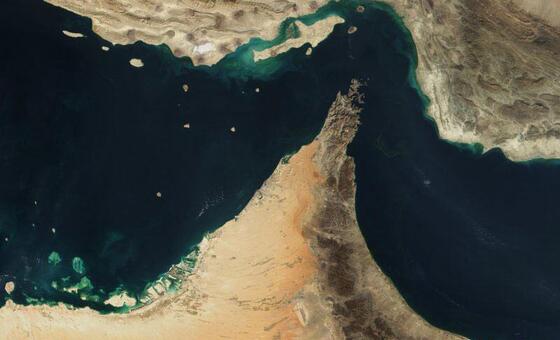
“At this fragile moment, all sides need to exercise maximum restraint and work to consolidate the ceasefire and translate it into a comprehensive peace agreement,” Volker Türk said, addressing the Human Rights Council. That appeal followed the UN Secretary-General’s comments welcoming the announcement as a “critical step” toward ending the conflict. According to a statement issued by the UN chief’s Spokesman on Sunday, the agreement provides for an immediate and permanent ceasefire, the reopening of the Strait of Hormuz, and a framework for further negotiations. The strategic strait is a key shipping lane through which about 20 per cent of the world’s oil and liquefied natural gas normally passes. Seafarers’ plight Also responding to the potential diplomatic breakthrough, the UN International Maritime Organization (IMO) said that it represented “an important step toward restoring safety in this vital maritime corridor for seafarers and ships, as well as safeguarding the fundamental principle of freedom of navigation”. After the conflict began on 28 February with US and Israeli strikes across Iran, the Iranian military responded with attacks on Israel and US‑allied States in the Gulf.
Lebanon’s people were also drawn into the war after Hezbollah fighters based in the country began firing at Israel. In Iran alone, Israeli and US strikes have reportedly killed thousands of civilians, “including hundreds of children, and destroyed hospitals, schools, homes, and other infrastructure”, Mr. Türk told the Human Rights Council. Highlighting the mass killing of mainly Iranian schoolchildren on the first day of the war, the UN rights chief called for the findings to be made public of the US investigation into the attack on Minab school which left more than 156 people dead.
 The BriefWire