Iran war: Will the global energy crisis end soon?
A US-Iran deal to end the war and reopen the Strait of Hormuz could ease the global energy crunch, but oil prices and supplies may
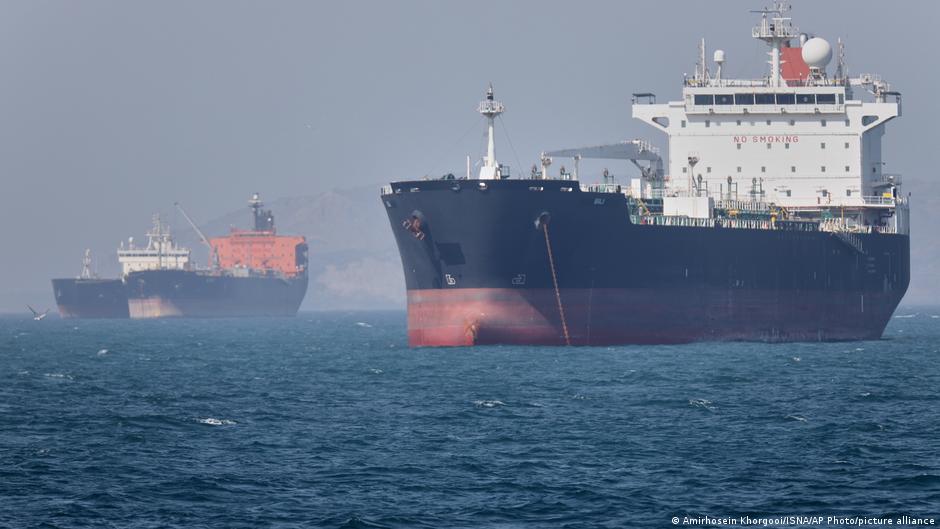
A US-Iran deal to end the war and reopen the Strait of Hormuz could ease the global energy crunch, but oil prices and supplies may take months to stabilize as shipping restarts and infrastructure recovers. The United States and Iran announced on Sunday that they had struck a preliminary agreement to end their war, raising hopes for an end to the energy crisis that has gripped countries worldwide since the conflict began. "Ships of the World, start your engines. Let the oil flow!" President Donald Trump wrote in a social media post hailing the US-Iran agreement. The deal is set to reopen the Strait of Hormuz once both sides formally sign the accord on Friday. The narrow waterway is a crucial route for global energy trade, handling about a fifth of the world's oil and natural gas in normal times. Tehran has effectively shut shipping through the strait since the onset of the conflict on February 28, 2026, causing one of the largest global oil-supply disruptions in history. At the time, many anticipated prices to jump from around $72 (€62) a barrel on February 27 to as high as $150 to $200. In the end, the price increase was more moderate and a barrel of oil peaked at around $120 soon after the conflict started before going back down. After the US-Iran peace deal was announced over the weekend, the price dropped further. Demand destruction kept prices in check Increased supply from the US and other non-Gulf sources, decreased Chinese demand, the coordinated release of strategic reserves and market optimism that the conflict would end soon helped keep the price rise in check.
The US, for instance, increased crude oil exports in April and May to more than five million barrels a day, up from an average of about four million barrels a day in recent years, the Wall Street Journal reported. China, meanwhile, has significantly slashed its crude oil imports in recent weeks, relying instead on existing commercial inventories and strategic stockpiles. Fereidun Fesharaki, chairman emeritus of energy consultancy FGE NexantECA, told Bloomberg recently that the oil market had responded to the energy shock by demand destruction. China, the world's largest crude importer, has cut imports by four million barrels per day, he said. Emma Li, lead China oil market analyst at Vortexa, said China began to tap its massive domestic inventories in May to offset the Middle East supply disruptions, instead of buying crude on the spot market. This retreat from spot buying "significantly eased pressure on outright crude prices," she wrote in a research note at the end of May. Global oil inventories are falling fast China, however, is not alone, as countries around the world have increasingly tapped their domestic inventories to make up for the millions of barrels of oil stranded in the Persian Gulf. Oil stocks fell at an average rate of 5.3 million barrels per day between March and May, according to the US Energy Information Administration. Industry experts have warned though that the stocks were reaching critical levels. "Buffers are becoming thinner," warned Jorge Leon, an analyst at Rystad Energy and a former OPEC official.
"Inventory draws, and partial bypass options can provide some short-term relief, but they cannot fully offset a prolonged disruption to Strait of Hormuz flows," he told DW last week. "In that case, it is not unthinkable that oil prices could rapidly climb to $150 per barrel this summer," Leon added. Returning to normal will take months With Washington and Tehran now striking a deal and agreeing to quickly reopen the strait, hopes abound about the supply crunch easing soon. But experts caution it will likely take months before the energy markets return to pre-conflict normal, pointing to the need for security measures such as clearing sea mines. Shipping risks on the rise due to wars and trade crises To view this video please enable JavaScript, and consider upgrading to a web browser that supports HTML5 video Restoring traffic through the strait — with hundreds or even thousands of ships still stranded — and resolving issues such as insurance will also take time. "Even if ships now have safe passage, tankers are in the wrong place, oil production/refining facilities need to get up to full capacity, and questions over the cost and availability of insurance for ships traversing the strait will remain," Neil Shearing, chief economist at Capital Economics, wrote in a research note. "Our current working assumption is that ~80% of energy flows will resume by the end of Q3," he added. Once the strait reopens, ensuring the free flow of traffic "might take eight weeks, perhaps longer, depending on how long each step takes," Neil Crosby, head of research at market intelligence firm Sparta Commodities, told DW earlier this month.
Restoring supplies will be a challenge Besides causing massive shipping problems, the conflict also resulted in damage to energy facilities across the Persian Gulf. The damaged oil fields, pipelines and other infrastructure will need repairs before they can contribute to boosting supply. Bringing the sites back online requires thorough inspections and can be a slow process. Additionally, some energy producers in the region shut down production because they simply ran out of storage space. Against this backdrop, it will likely take a while before energy supplies and prices stabilize. "There's going to be a lot of wait and see on how quickly the strait really reopens and how long it's going to take for oil flows to really get back to normal," Nick Twidale, chief market strategist at ATFX Global in Sydney, told Reuters. "It's certainly going to be months rather than weeks." Edited by: Tim Rooks
 The BriefWire