Oil Prices Fall After US-Iran Deal, But Hormuz Recovery May Take Weeks As 500 Ships Remain Stuck
Oil Prices Fall After US-Iran Deal, But Hormuz Recovery May Take Weeks As 500 Ships Remain Stuck Published By, Last Updated: June 15, 2026, 10:30
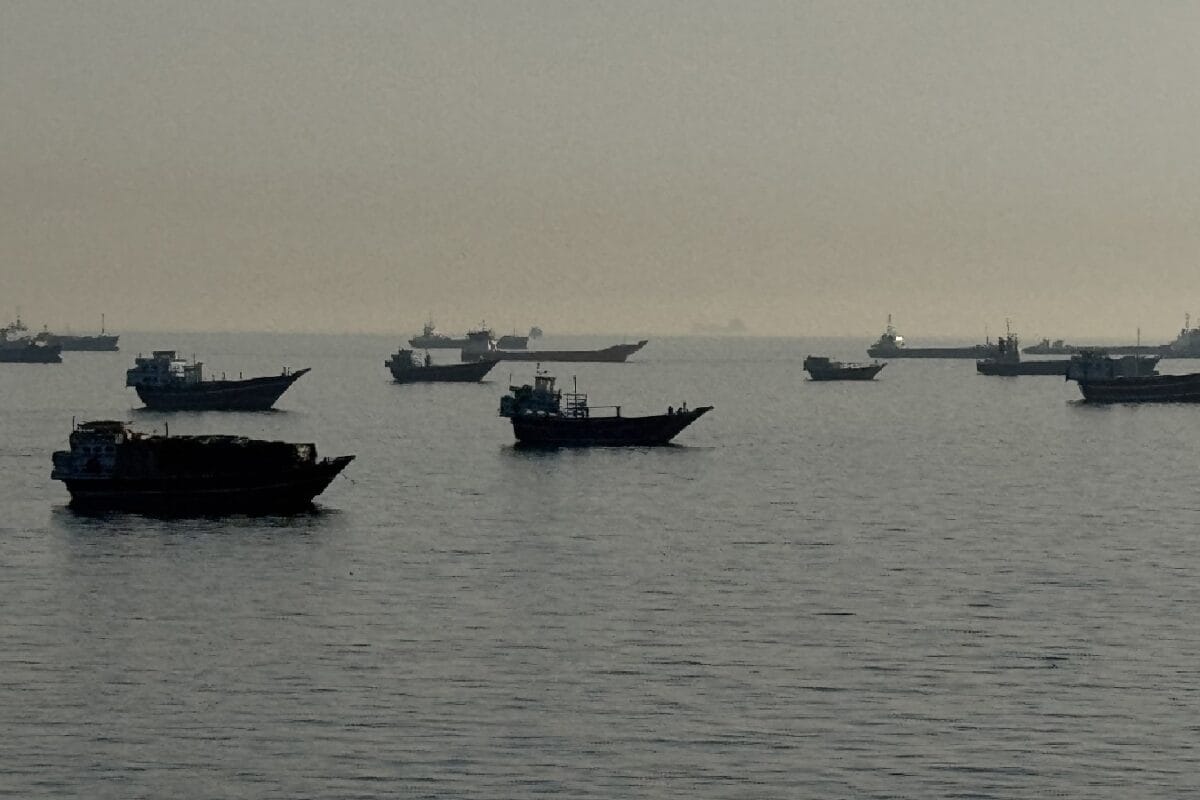
Oil Prices Fall After US-Iran Deal, But Hormuz Recovery May Take Weeks As 500 Ships Remain Stuck Published By, Last Updated: June 15, 2026, 10:30 IST US and Iran agree to reopen Strait of Hormuz, Trump lifts US naval blockade, oil prices fall, but experts warn recovery of shipping and oil flows will be slow and fragile Hormuz Reopening May Take Weeks Despite US-Iran Breakthrough. (IMAGE: AFP) The three-month long West Asia conflict has finally ended with the US-Iran deal all set to be signed on Friday in Geneva. Oil prices fell sharply on Monday after the United States and Iran announced the deal that could pave the way for the reopening of the Strait of Hormuz. However, According to a report by the Financial Times, experts and shipping experts have warned that the recovery of oil flows through the crucial waterway is likely to be slow and could remain vulnerable to fresh disruptions. Markets reacted positively to hopes that the agreement would ease tensions and restore shipping through one of the world’s most important energy corridors. Trump announces Hormuz reopening plan US President Donald Trump said on Sunday that an agreement had been reached to gradually reopen the Strait of Hormuz. Under the arrangement, Iran would be required to clear mines from the waterway and avoid imposing tolls on ships. In return, the United States would remove the naval blockade it had imposed on vessels travelling to and from Iranian ports. “I hereby fully authorize the toll free opening of the Strait of Hormuz, and, simultaneously herewith, authorize the immediate removal of the United States Naval blockade.
Ships of the World, start your engines," Trump wrote on social media. “Let the oil flow!" he added. Following the announcement, Brent crude, the international benchmark for oil prices, fell 4.7 per cent to $83.21 during Asian trading hours. Hundreds of ships still waiting Despite the optimism, shipping industry organisations estimate that around 500 merchant vessels remain stranded in the Gulf after more than three months of conflict. The Strait of Hormuz normally carries around one-fifth of global oil trade. However, traffic has fallen dramatically since the conflict began. Before the crisis, about 130 ships passed through the strait every day. Since then, repeated attacks on commercial vessels and concerns over crew safety have reduced traffic to a fraction of normal levels. A standard commercial transit through the strait takes around eight hours. Experts say clearing the backlog will take time, especially if ships are required to travel under controlled conditions or through coordinated transit systems. Security concerns remain The waterway serves as the main export route for Gulf oil producers and for Qatar’s liquefied natural gas exports, making any disruption a major concern for global energy markets. Shipping industry estimates suggest that 46 vessels have been attacked since the conflict started on February 28. Iran has also taken two container ships hostage during the period. Major industry bodies, including the International Chamber of Shipping and Bimco, have warned shipowners that an immediate return to normal operations could create congestion and unpredictable vessel movements. They cautioned that simultaneous and uncoordinated transits could result in erratic manoeuvring, while military supervision may remain limited.
Although some shipowners have continued using the route, many remain reluctant because of reports of mines in the strait. Concerns intensified after US strikes on Iranian boats that were allegedly laying mines last month. The UK and several European navies are preparing vessels in the Mediterranean to support future mine-clearing operations. What are experts saying? Even before reports of the agreement emerged, analysts warned that many shipping companies would remain cautious if Iran continued to hold operational control over the waterway. Martin Kelly, head of advisory at EOS Risk Group, said he was “pessimistic" about the durability of the agreement, pointing to repeated cycles of escalation despite ceasefires. “Each time we see this cycle we see a little bit more escalation each time," he said. Helima Croft, head of global commodity strategy at RBC Capital Markets, compared the situation to shipping in the Red Sea, where traffic remains significantly below pre-conflict levels despite an earlier agreement between the US and the Houthis. She noted that Red Sea traffic remains around 56 per cent lower than before the conflict and said many major shipping companies still avoid the route because of security concerns. Croft added that even reaching reduced traffic levels in Hormuz could take considerable time because of the complex logistics involved. Long road to normalisation The reopening effort follows several failed attempts, including one in April that ended with Iranian Revolutionary Guards striking several vessels. Last month, the US military escorted two US-flagged ships through the waterway under heavy protection. The United States has also provided limited air cover for vessels using routes near the Omani coastline.
Some ships have travelled through the area without activating their GPS systems. Saul Kavonic, an energy analyst, said oil markets were likely to remain tight through 2027 because of the time needed to restore shipping networks, repair damaged infrastructure and rebuild depleted inventories. “This is just the start of a long complicated process to restore oil flows," Kavonic said, as quoted by Financial Times. He warned that any reopening could remain partial and vulnerable to renewed disruption. “Given Trump has left Iran in effective control of the strait, the Sword of Damocles will hang over passage through the strait going forward, at risk of disruption by Iran at any time," he added. News18 Newsletter Handpicked stories, in your inbox A newsletter with the best of our journalism submit About the Author News Desk The News Desk is a team of passionate editors and writers who break and analyse the most important events unfolding in India and abroad. From live updates to exclusive reports to in-depth explainers,... Read More Location: Iran First Published: June 15, 2026, 10:30 IST News world Oil Prices Fall After US-Iran Deal, But Hormuz Recovery May Take Weeks As 500 Ships Remain Stuck Disclaimer: Comments reflect users’ views, not News18’s. Please keep discussions respectful and constructive. Abusive, defamatory, or illegal comments will be removed. News18 may disable any comment at its discretion. By posting, you agree to our Terms of Use and Privacy Policy Loading comments...
 The BriefWire