Lebanon ceasefire, Hormuz reopening, sanctions relief: What the 14-point US-Iran peace deal contains
What are the 14 clauses? Immediate and permanent end to military operations on all fronts, including Lebanon. US commitment not to interfere in Iran's internal
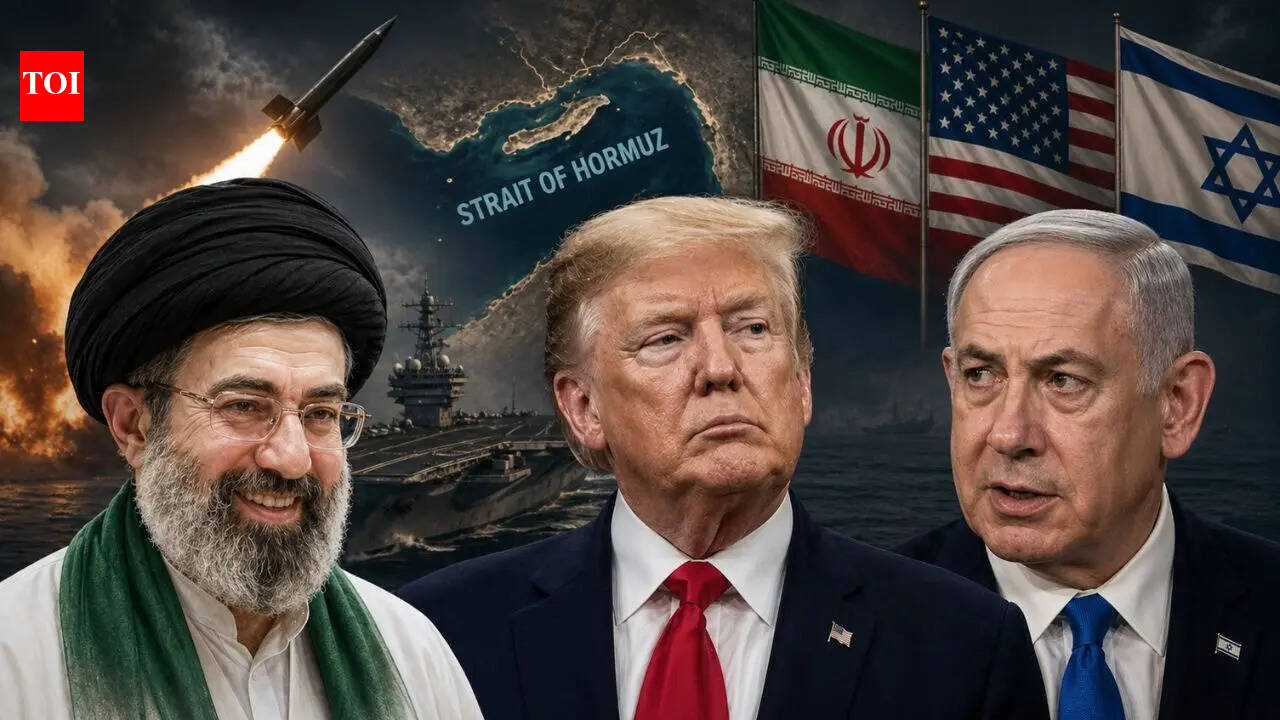
What are the 14 clauses? Immediate and permanent end to military operations on all fronts, including Lebanon. US commitment not to interfere in Iran's internal affairs and to respect Iranian sovereignty. Complete lifting of the naval blockade within 30 days. Withdrawal of US forces from areas surrounding Iran. Reopening of the Strait of Hormuz within 30 days under Iranian arrangements. within 30 days under Iranian arrangements. Suspension of sanctions on Iranian oil, petrochemical products and related exports. Full Iranian access to revenues generated from energy exports. US and allied commitment to present reconstruction plans worth at least $300 billion for Iran. A 60-day negotiating period to reach a final agreement on nuclear issues and broader sanctions relief. Iran's renewed commitment under the Nuclear Non-Proliferation Treaty not to produce nuclear weapons. US commitment not to increase military deployments in the region and not to impose new sanctions during negotiations. Release of $24 billion in frozen Iranian assets during the negotiation period, with half released before talks begin. Establishment of a supervisory mechanism to oversee implementation of the agreement. Final agreement to be endorsed through a United Nations Security Council resolution. Nuclear programme remains unresolved Iran sets conditions before final talks A draft memorandum of understanding between the United States and Iran includes provisions for an immediate end to military operations across multiple fronts, the lifting of sanctions on Iranian oil exports, the reopening of the Strait of Hormuz and a reconstruction package worth at least $300 billion for Iran, according to details published by Iran's semi-official Mehr News Agency.The document, which has not been officially released by Washington or Tehran, is expected to form the basis of a broader peace process following the preliminary agreement announced by US President Donald Trump and Iranian officials.
The memorandum is scheduled to be formally signed in Switzerland on June 19.The reported details suggest the agreement focuses on ending hostilities and creating conditions for a second phase of negotiations that would address Iran's nuclear programme, sanctions and economic recovery.Iran's Supreme Security Council confirmed that a memorandum of understanding had been finalised following months of negotiations, which it described as the "Islamabad Negotiations", a reference to Pakistan's role in mediation efforts.In a statement, the council said: "The Islamic Republic of Iran, under the leadership of its martyred leader, has completed its superiority over the American Zionist enemy and, under the measures of the Supreme Leader of the Islamic Republic (may God protect him), the support of all the people and the tireless efforts of the warriors of Islam, following a difficult and intensive period of negotiations lasting several months and based on the resolution of the Supreme Security Council, finalized the text of the Memorandum of Understanding on the End of War Negotiations (Islamabad Negotiations) between Iran and the United States on the evening of June 14.The statement added: "Based on the agreements reached, the war and military operations on all fronts, including Lebanon, will end immediately and permanently as of tonight, and in addition, the naval blockade against Iran will be immediately and completely ended."It further said: "The signing of this Memorandum of Understanding will be officially held on Friday, June 19."Iran also indicated that negotiations on a final settlement would only begin after Washington fulfilled key commitments outlined in the memorandum.According to Mehr News Agency, the draft memorandum contains the following provisions:Mehr also reported that final negotiations would not begin until three conditions are met: the release of half of Iran's frozen funds, suspension of sanctions on Iranian oil exports and the lifting of the naval blockade.Despite Trump's declaration that a deal with Iran is "now complete", the reported memorandum appears to leave the most contentious nuclear issues unresolved.The document reportedly reiterates Iran's commitment not to produce nuclear weapons but does not specify limits on uranium enrichment, dismantlement of nuclear facilities or additional inspection mechanisms beyond existing obligations.Instead, those issues are expected to be negotiated during a separate 60-day process after the memorandum takes effect.The draft also reportedly narrows the scope of future talks.
According to Iranian accounts, discussions will be limited to enriched nuclear material, enrichment activities, sanctions relief and economic reconstruction.Iran's missile programme and its support for regional armed groups have reportedly been excluded from the agenda.Iranian Deputy Foreign Minister Kazem Gharibabadi said earlier that negotiations on a final agreement would begin only after Tehran verified that Washington had fulfilled its commitments under the memorandum.Iranian state media also reported that the release of frozen assets, sanctions relief and removal of maritime restrictions
are prerequisites for any detailed negotiations.The agreement comes after more than three months of conflict that disrupted energy markets, pushed up oil prices and intensified tensions across the Middle East.While the reported memorandum outlines an ambitious framework for ending hostilities, key details remain unverified and both governments have yet to publish the full text officially. Diplomatic attention is now focused on the June 19 signing ceremony in Switzerland and whether the proposed measures are implemented in the weeks that follow.
 The BriefWire