New IRGC Chief 'Overruled' Iran’s Leaders During US Talks, Steered War Strategy Against Israel
New IRGC Chief 'Overruled' Iran’s Leaders During US Talks, Steered War Strategy Against Israel Published By, Last Updated: June 15, 2026, 10:21 IST IRGC chief
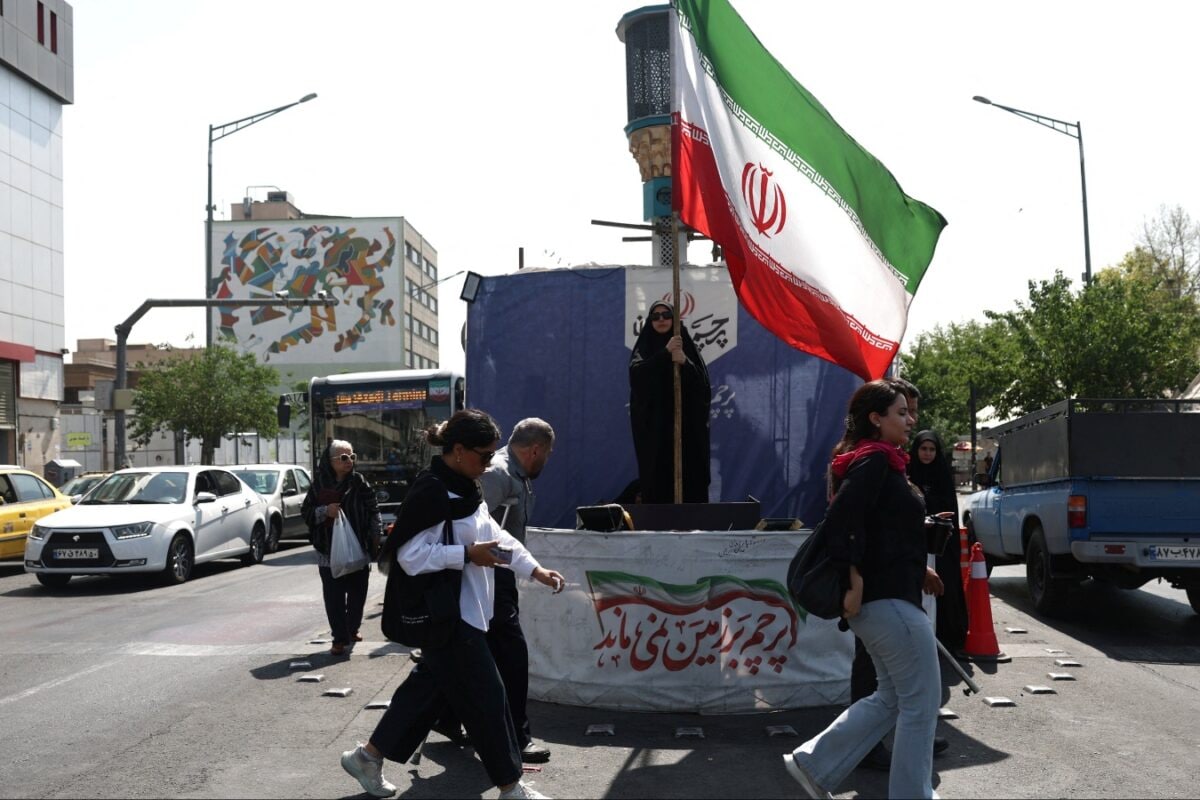
New IRGC Chief 'Overruled' Iran’s Leaders During US Talks, Steered War Strategy Against Israel Published By, Last Updated: June 15, 2026, 10:21 IST IRGC chief Ahmad Vahidi repeatedly sidelined Iran’s civilian leadership, shaping military decisions and hardening Tehran’s stance in talks with Washington, a report has claimed. A woman holds an Iranian flag on a street in Tehran, Iran (Photo: Reuters) Ahmad Vahidi, the newly appointed commander-in-chief of Iran’s Islamic Revolutionary Guard Corps (IRGC), repeatedly overruled senior political leaders and diplomats during negotiations with the United States, emerging as one of the most influential figures in Tehran’s wartime decision-making, according to a report by The Wall Street Journal. The report portrays the 67-year-old hardliner as a powerful force behind Iran’s military and diplomatic strategy, frequently clashing with President Masoud Pezeshkian and Foreign Minister Abbas Araghchi as Tehran sought to balance battlefield objectives with efforts to reach an agreement with Washington. According to Arab, Iranian and European officials cited by the newspaper, Vahidi “frequently overruled" both Araghchi and Pezeshkian throughout the conflict. While the President and Foreign Minister pushed for a swift preliminary deal with the United States to ease economic pressure caused by sanctions and restrictions on Iran’s oil industry, Vahidi prioritised restoring Iran’s military deterrence and strengthening its negotiating leverage.
The report mentioned that one of the clearest examples of Vahidi’s influence came during deliberations over whether Iran should launch ballistic missile strikes against Israel. Iranian and Arab officials told the newspaper that Vahidi strongly advocated a forceful response to Israeli attacks on Hezbollah in Beirut. More moderate voices within Iran’s leadership argued against such a move, fearing it could derail ongoing diplomatic efforts with Washington. Vahidi ultimately persuaded Iran’s top security council to approve the strikes, setting off the first exchange of fire between Iran and Israel since the April 8 ceasefire. The report said Vahidi’s position atop the IRGC, Iran’s most powerful military institution, has enabled him to shape both military operations and negotiating strategy. CLASHES WITH DIPLOMATS According to mediators involved in the talks, Vahidi repeatedly pushed negotiators to adopt tougher positions in discussions with the United States. The newspaper said he linked progress in US-Iran negotiations to Israel ending its military campaign against Hezbollah in Lebanon, effectively tying two separate conflicts together. He also pushed negotiators to preserve Iran’s missile stockpile, secure access to frozen overseas assets and ensure that any released funds would not be restricted from military use.
His approach frequently put him at odds with Araghchi, Iran’s chief diplomat. On April 18, Araghchi publicly stated that the Strait of Hormuz was open, but the IRGC reportedly told mediators otherwise. Arab officials cited by the newspaper said media outlets affiliated with the Revolutionary Guard subsequently dismissed the foreign minister’s remarks as “inaccurate or incomplete," while attacks in the waterway continued. IRGC OVERRULED MODERATES The report also highlighted an earlier episode in which President Pezeshkian suggested Tehran would halt strikes against Gulf neighbours. The Revolutionary Guard swiftly contradicted him. According to Arab mediators, Vahidi presented Iran’s Supreme Security Council with what he described as evidence that Gulf states had assisted attacks against Iran, helping justify a more aggressive posture. That pattern, the report said, has become increasingly common, with the IRGC and Iran’s civilian leadership often issuing conflicting messages during negotiations and military operations. A founding member of the IRGC following the 1979 Islamic Revolution, Vahidi has held a series of senior security positions, including defence minister, interior minister and commander of the elite Quds Force. Analysts cited by the report said his ascent reflects the growing influence of military hardliners following the deaths of several senior commanders during the conflict.
News18 Newsletter Handpicked stories, in your inbox A newsletter with the best of our journalism submit About the Author Vani Mehrotra Vani Mehrotra is the Deputy News Editor at News18.com. She has more than 10 years of experience in national and international news and has previously worked on multiple desks. First Published: June 15, 2026, 10:21 IST News world New IRGC Chief 'Overruled' Iran’s Leaders During US Talks, Steered War Strategy Against Israel Disclaimer: Comments reflect users’ views, not News18’s. Please keep discussions respectful and constructive. Abusive, defamatory, or illegal comments will be removed. News18 may disable any comment at its discretion. By posting, you agree to our Terms of Use and Privacy Policy Loading comments...
 The BriefWire