Hegseth Gets Reality Check Mid-Interview After Claim US Controlled Hormuz 'This Entire Time' | Video
Hegseth Gets Reality Check Mid-Interview After Claim US Controlled Hormuz 'This Entire Time' | Video Published By, Last Updated: June 15, 2026, 00:00 IST Hegseth
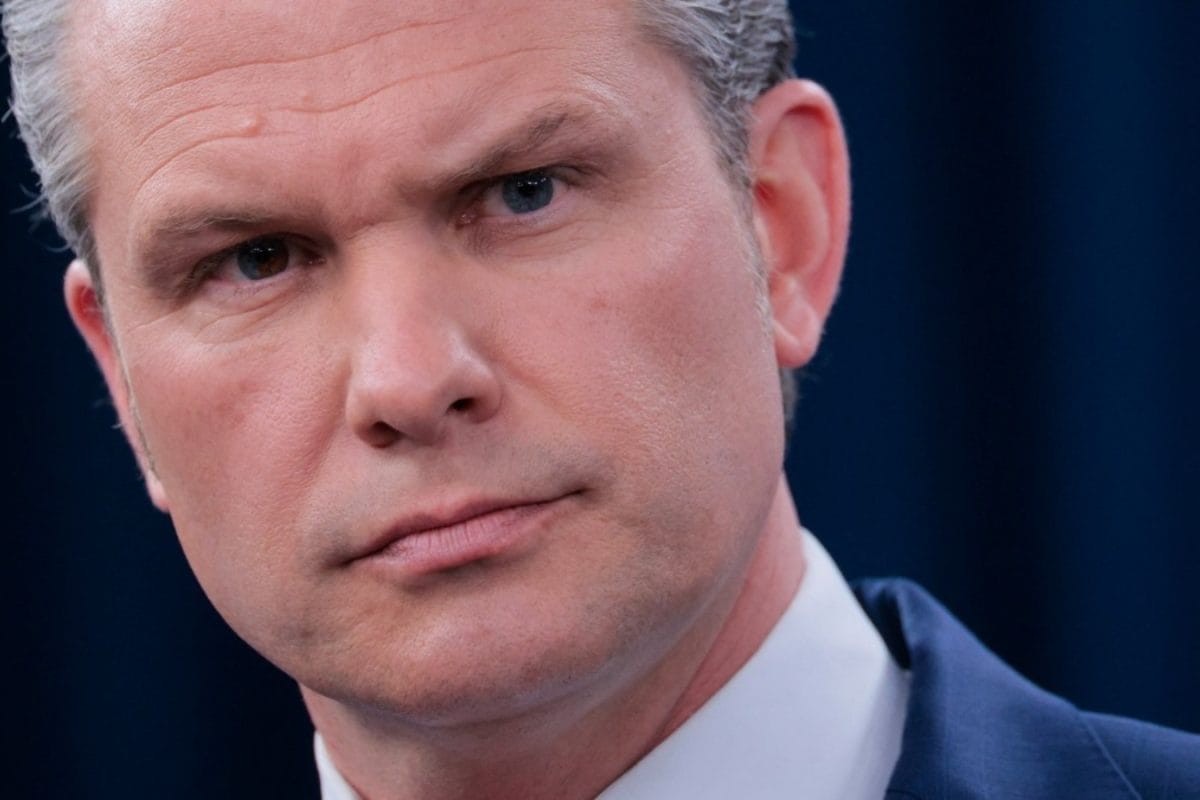
Hegseth Gets Reality Check Mid-Interview After Claim US Controlled Hormuz 'This Entire Time' | Video Published By, Last Updated: June 15, 2026, 00:00 IST Hegseth argued that US policy on the Strait of Hormuz was “performance-based” and linked to broader diplomatic efforts with Iran. US Secretary of War Pete Hegseth looks on during a press briefing at the Pentagon. (Getty Images via AFP) US Secretary of War Pete Hegseth on Sunday faced a pushback during a television interview after claiming that Washington had “controlled the Strait of Hormuz this entire time", prompting questions from the interviewer over why negotiations would still be needed to reopen the key waterway. During an interview on CBS’ Face the Nation, Hegseth argued that US policy on the Strait of Hormuz was “performance-based" and linked to broader diplomatic efforts with Iran.
“It’s not us that is the problem here," he said, adding that the process would be “immediate and gradual" once a new understanding was signed with Tehran. Pete Hegseth: We have controlled the straits this entire time.Margaret Brennan: Right, but you’re gonna negotiate with them to to reopen it?pic.twitter.com/VOt5MFdJPF — Clash Report (@clashreport) June 14, 2026 He said the US had maintained control of the strait throughout the conflict, claiming: “We have controlled the straits this entire time." Immediately, interviewer Margaret Brennan challenged his framing, asking: “Right, but you’re gonna negotiate with them to reopen it?" Hegseth responded saying, “immediately and gradually". Who controls the Strait of Hormuz? The Strait of Hormuz, one of the world’s most critical energy chokepoints, carries around 20–25% of global seaborne oil and a significant share of liquefied natural gas shipments.
Since the outbreak of war between the US-Israel alliance and Iran on February 28, Tehran has asserted operational control over the passage, introducing restrictions that require vessels to obtain permission before transiting. A new Iranian oversight body has also been set up to manage movement and collect tolls, while the US has responded with its own blockade of Iranian ports. The ongoing war has disrupted global energy flows and driven up prices, with oil and gas shipments through the strait severely constrained despite limited vessel movement. Negotiations between Washington and Tehran have been underway since a ceasefire in April, with the status of the Strait of Hormuz remaining one of the central sticking points in talks. Tehran has insisted it will maintain control over the vital Strait, but the US has repeatedly said this would be unacceptable.
(With inputs from agencies) News18 Newsletter Handpicked stories, in your inbox A newsletter with the best of our journalism submit About the Author News Desk The News Desk is a team of passionate editors and writers who break and analyse the most important events unfolding in India and abroad. From live updates to exclusive reports to in-depth explainers,... Read More Location: United States of America (USA) First Published: June 14, 2026, 23:54 IST News world Hegseth Gets Reality Check Mid-Interview After Claim US Controlled Hormuz 'This Entire Time' | Video Disclaimer: Comments reflect users’ views, not News18’s. Please keep discussions respectful and constructive. Abusive, defamatory, or illegal comments will be removed. News18 may disable any comment at its discretion. By posting, you agree to our Terms of Use and Privacy Policy Loading comments...
 The BriefWire