Explained: Why fuel, fertilisers & forex are so important right now
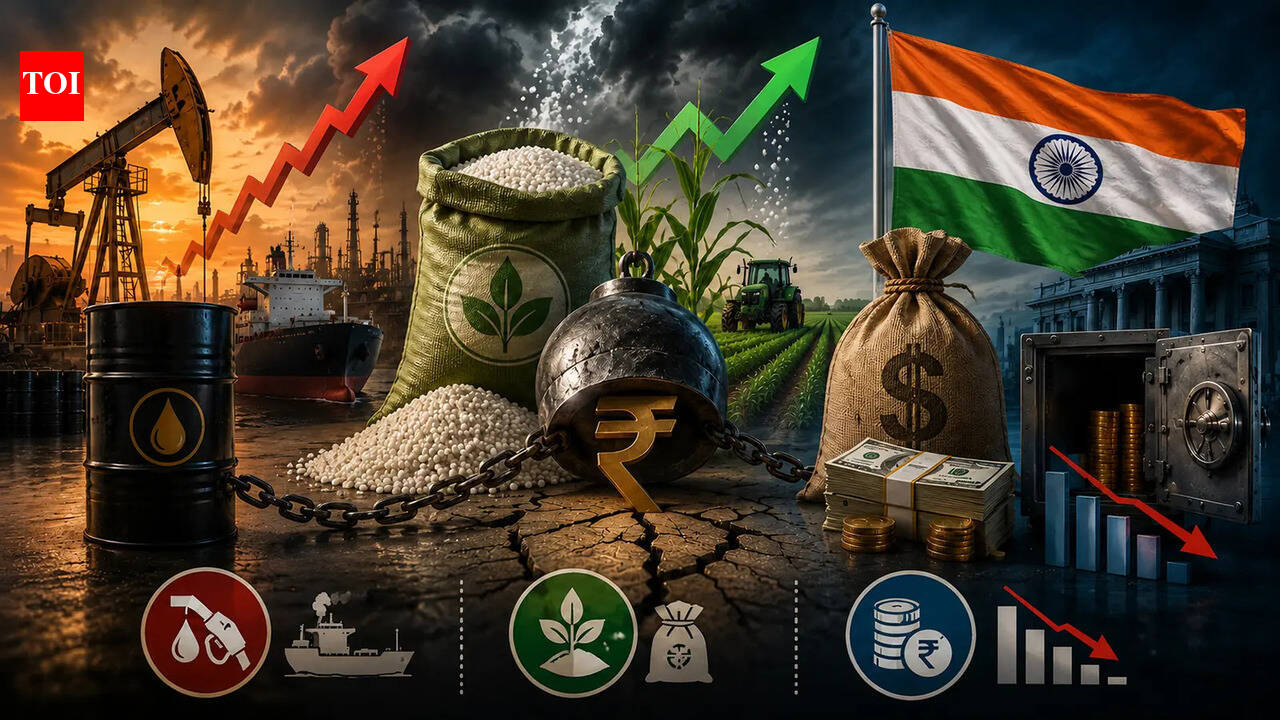
Why are these 3Fs so important? How do they add to pressure on India’s growth story? We decode: (AI image) So why are these 3Fs
Why are these 3Fs so important? How do they add to pressure on India’s growth story? We decode: (AI image) So why are these 3Fs so important? How do they add to pressure on India’s growth story? We decode Fuel the issue is not just about availability. It’s the higher cost of availability. From an economic standpoint, a rise in crude oil prices means the import bill goes up.
Any pass through to consumers feeds into inflation, which in turn impacts growth. Fertilisers So what’s the problem? The Middle East accounts for around 50% of India's DAP and urea imports. Saudi Arabia is the largest DAP supplier and Oman is the biggest urea supplier. Liquified natural gas or LNG, an important component for fertilisers, is also imported from the Middle East. Forex The take is simple: the country has enough foreign exchange reserves, but it should choose to use them wisely for products of critical importance such as fuel and fertilisers.
Higher foreign exchange reserves also allow the Reserve Bank of India to intervene and prevent the rupee from falling too much. How the 3Fs tie up to be worry points Together these constitute a vicious cycle starting from higher crude prices, higher fertiliser prices, further depreciation of the rupee, higher inflation within the economy and lower growth. Structural risks? If they start yielding results, India would continue to be comfortably placed to handle the rising crude and fertiliser bills.
Though as economists note - the ultimate steps are required on the long-term front: building strategic fuel reserves, and reducing dependency on fertiliser imports.
 The BriefWire