Oil nears two-month lows on reports of imminent US-Iran peace deal
Oil prices fell more than 3% on Friday to their lowest levels in nearly two months as U.S. and Iranian officials said they were close
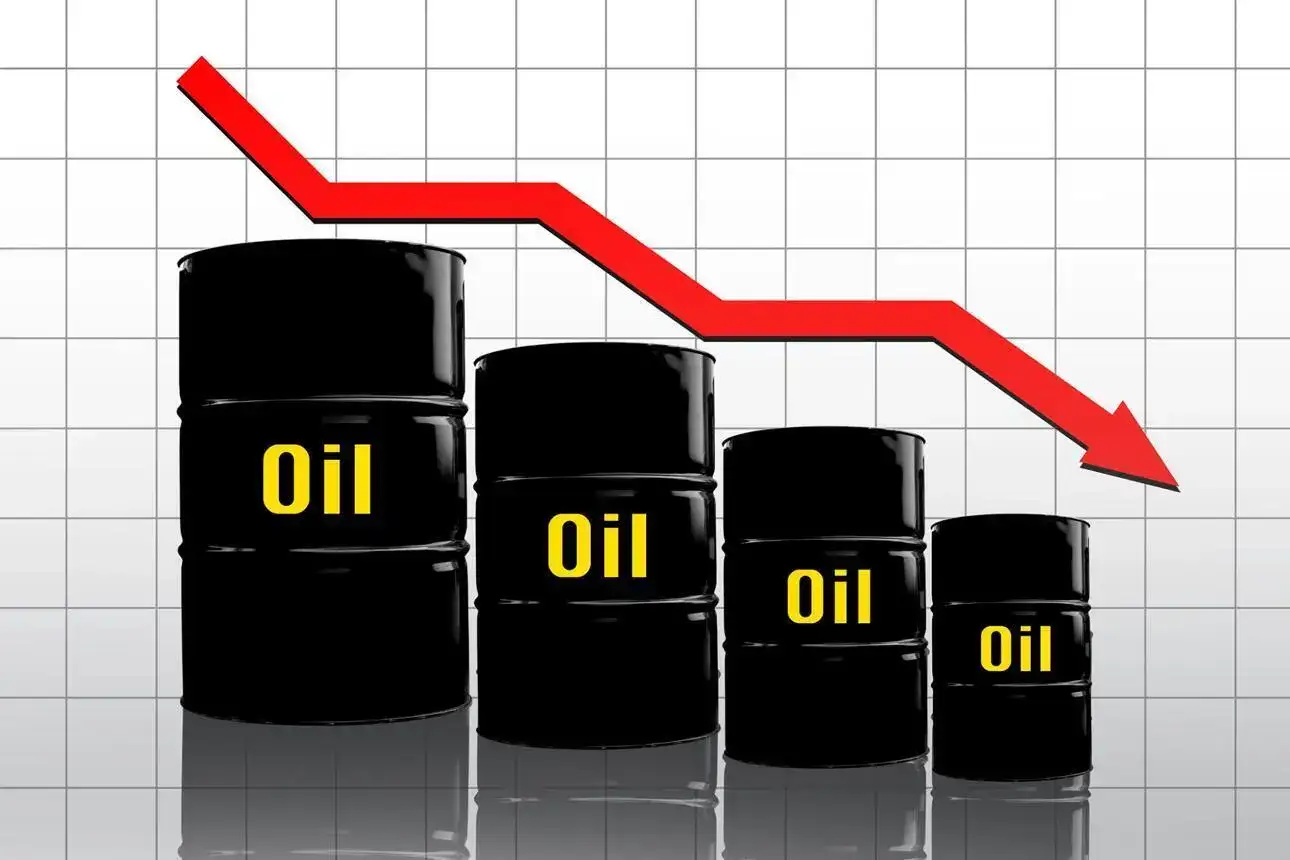
Oil prices fell more than 3% on Friday to their lowest levels in nearly two months as U.S. and Iranian officials said they were close to an agreement to halt their war in the Middle East. Brent futures were down $3.34, or 3.7%, at $87.04 a barrel by 1035 CDT (1535 GMT), while U.S. West Texas Intermediate (WTI) crude dropped $3.11, or 3.55%, to $84.60. Both contracts were at their lowest prices since April 17. "The market thinks we're closer to the deal," said Phil Flynn, senior analyst with Price Futures Group. A memorandum between the U.S. and Iran to halt the war in the Gulf could be signed as soon as Sunday, a Western source told Reuters on Friday, with Geneva emerging as the likeliest venue.
Iran's Fars news agency, however, citing a source close to the negotiations, denied that speculation. U.S. President Donald Trump called off his threatened air strikes on Thursday, while Iran's Mehr news agency reported that final negotiations on the memorandum would focus on nuclear and economic issues but would exclude discussions about Iran's missile programme. Iran's IRNA news agency, meanwhile, said nuclear talks would take place within a 60-day period after a memorandum was signed. "Headlines are driving the market once again as confidence grows that an eventual deal will be struck and the Strait (of Hormuz) reopens," said Tamas Varga, an analyst at PVM Oil Associates. The caveat, however, is that global and regional oil stocks are still low and could drift lower, even with a deal, as it would take time to ensure uninterrupted oil flows, he added.
On Thursday, Iran announced a complete closure of the strait, saying it would fire on any ship trying to pass through the waterway. Traffic through the strait, which normally carries a fifth of global oil and liquefied natural gas shipments, has been extremely limited as a result of the war. The U.S. military, however, said on social media that commercial ships continued to transit the waterway. "We believe the market reaches an inflection point in late July if we do not see oil flows resuming before then," ING analysts said in a note. "This is when inventory levels and seasonally stronger demand push prices significantly higher towards $120-130 per barrel." Goldman Sachs lowered its 2027 average Brent forecast to $80 a barrel on higher supply and lower demand, but expects prices to exceed the 2025 average on stockpiling of OECD commercial oil stocks and a security premium for disruptions.
The Organization of the Petroleum Exporting Countries lowered its forecast for 2026 world oil demand growth to 970,000 barrels per day on Thursday from a previous 1.17 million bpd - its second straight downward revision. The producer group also said consumption would eventually rebound. It expects oil demand in 2027 to rise by 1.73 million bpd, up 190,000 bpd from its previous forecast.
 The BriefWire