$130 billion in data center projects blocked by protests so far this year
It's clear that communities now have an effective playbook to block data center construction. This week, researchers flagged the first quarter of 2026 as producing
It's clear that communities now have an effective playbook to block data center construction. This week, researchers flagged the first quarter of 2026 as producing the "most blocked and delayed data center projects on record," NBC News reported.
Data Center Watch, a project from AI intelligence firm 10a Labs that tracks data center fights around the US, reported that protestors "blocked or delayed at least 75 projects nationwide worth about $130 billion from January through March," NBC News reported.
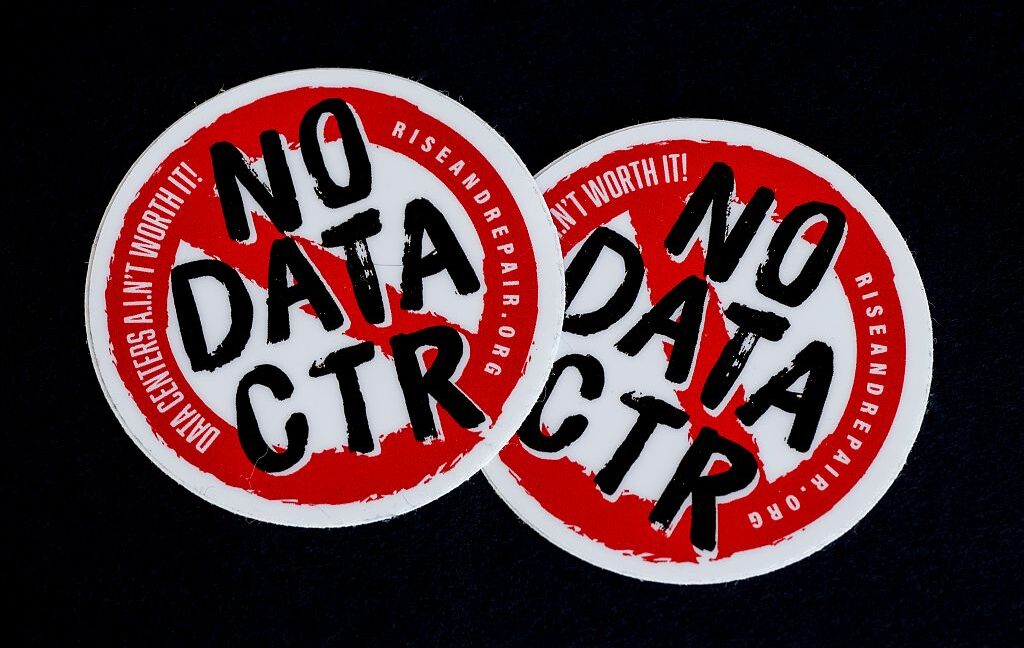
That's "the most in a three-month period since the group began tracking in 2023," and it shouldn't be parsed as "a cyclical spike," the researchers said. Instead, there's been a "structural shift," as "communities have internalized an opposition playbook, legislative sessions introduced formal regulatory uncertainty, and the number of active opposition groups more than doubled to 833 across 49 states," researchers said.
Read full article Comments
 The BriefWire