Between Permission And Prohibition: Maharashtra’s Bike-Taxi Dilemma
Between Permission And Prohibition: Maharashtra’s Bike-Taxi Dilemma Written By, Last Updated: June 12, 2026, 20:28 IST The success of urban mobility in the state will
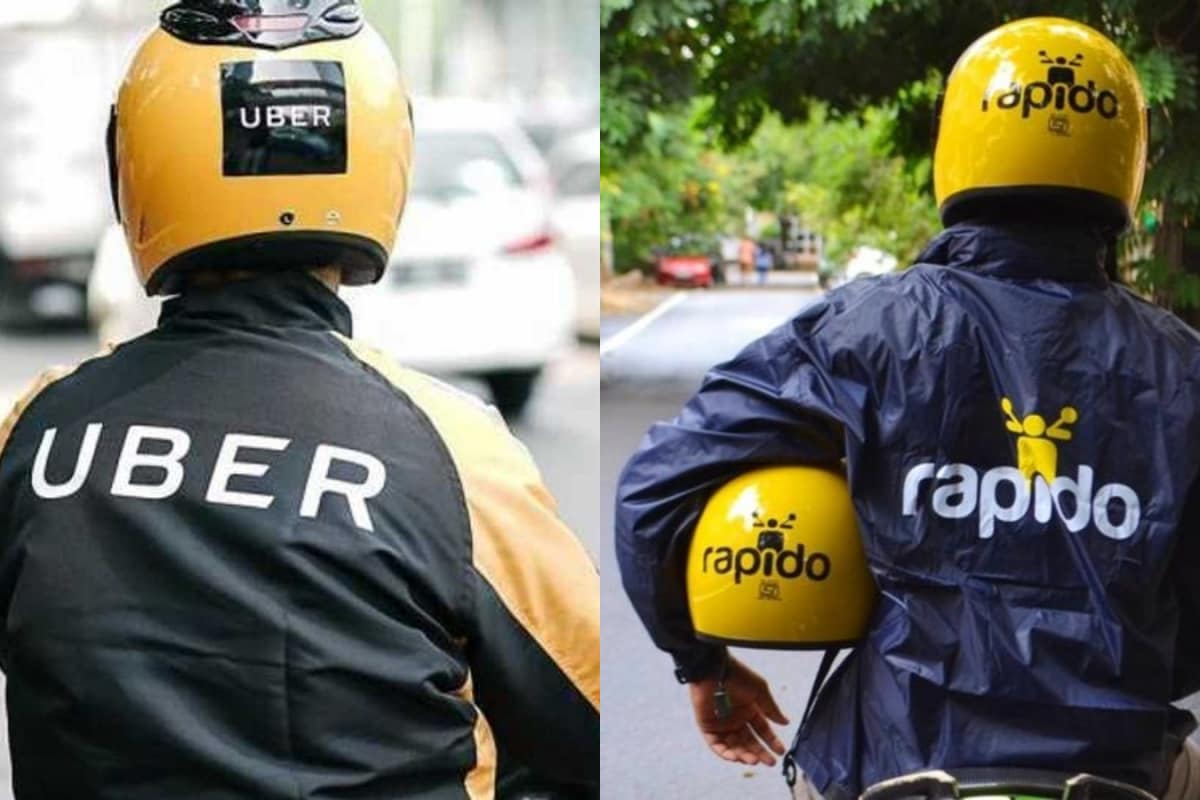
Between Permission And Prohibition: Maharashtra’s Bike-Taxi Dilemma Written By, Last Updated: June 12, 2026, 20:28 IST The success of urban mobility in the state will depend on delivering a stable, credible, and predictable framework that balances safety, sustainability, and accessibility The state government’s decision to frame a regulatory framework for bike taxis was a significant step. (Representational image) Public policy is often judged not merely by its intent but by its consistency. Businesses, workers, and consumers can adapt to strict regulations; what they struggle with is uncertainty. Maharashtra’s evolving approach towards bike taxis over the past year offers a clear example of why policy stability matters as much as policy objectives and why administrative coordination is essential to successful implementation. At the heart of the debate lies a simple reality. Maharashtra is one of India’s most populous and urbanised states, with millions dependent on affordable and flexible mobility options. Rapid urbanisation, growing vehicle ownership, and increasing traffic congestion have placed enormous pressure on existing transport infrastructure. Shared mobility services emerged as one response to these challenges, particularly in cities where last-mile connectivity remains a persistent concern. The state government’s decision to frame a regulatory framework for bike taxis was a significant step. The objective was clear: bring an unregulated sector under legal oversight while encouraging cleaner mobility through electric vehicles. In principle, few would disagree with the goals of improving passenger safety, reducing emissions, and ensuring accountability among aggregators. However, the journey from policy announcement to execution highlights the structural complexities of managing a fast-evolving sector.
Following a directive from the Bombay High Court, the Maharashtra government constituted a committee to develop an aggregator policy for bike taxis. Based on the committee’s recommendations, the cabinet approved a Bike Taxi Policy on April 1, 2025, and the Maharashtra Bike-Taxi Rules, 2025, were formally notified on July 4, 2025. In September 2025, the State Transport Authority granted provisional licences to major aggregators for launching bike taxi services in the Mumbai Metropolitan Region, with the condition that these companies apply for permanent licences within a month by fulfilling all requirements under the newly notified rules. Then, on March 9, 2026, the state government revoked these provisional licences, citing non-submission of required documents, passenger safety concerns, and the continued use of conventional petrol bikes instead of the mandated electric vehicles. This swift shift in policy signals indicates that while the administration was quick to establish standards, creating a seamless transition on the ground required deeper structural alignment. For instance, an early undercover verification exercise conducted near the Mantralaya premises confirmed that petrol-powered bike taxis were still operating via aggregator platforms despite the electric-only mandate. The presence of non-compliant vehicles early in the timeline suggests that the practical challenges of transitioning away from fossil fuels were immediate, making the subsequent enforcement actions in March part of an ongoing adjustment process rather than a sudden policy reversal. The broader governance challenge is balancing regulatory enforcement with sector predictability. For a driver considering joining a platform, policy adjustments translate directly into livelihood considerations.
For passengers, changes affect the predictability and availability of a service they may depend on for daily commuting. For operators, it reshapes long-term planning and capital allocation. Regional Transport Offices across the state have consistently taken action against unauthorised operations to uphold the law, but parallel efforts are needed to ensure the legal pathway remains well-defined. The electric vehicle mandate illustrates this challenge most sharply. Maharashtra’s push towards cleaner mobility aligns with national and global trends, and encouraging electric bike taxis is a progressive policy objective. Yet transitions of this scale require time, investment, and substantial infrastructure support. Operators need clarity on compliance timelines, drivers require financial viability, and consumers benefit from uninterrupted service. A successful transition is typically built through phased implementation and predictable milestones. The wider mobility context reinforces this need. Maharashtra continues to witness significant growth in vehicle registrations every year. Urban centres such as Mumbai, Pune, Nagpur and Nashik are already grappling with congestion and rising commuting costs. Shared mobility services, including bike taxis, are widely viewed as part of the solution to these challenges. A balanced policy environment should aim to treat the sector as a legitimate contributor to urban mobility while maintaining robust oversight. “We understand that the population is increasing and buses, metro, and other public transport modes are not sufficient; hence, the option of bike taxi was put forward, but cabinet had given permission only to e-bike taxis. What we noticed is that online cab apps took petrol-based bikes and flouted norms.
They are manipulating policy, which will not be tolerated," said Pratap Sarnaik, RTO minister. Ultimately, questions around passenger safety, insurance coverage, driver verification, and aggregator accountability deserve serious attention. Regulation should provide a clear, reliable framework within which legitimate businesses can operate and evolve. As Maharashtra refines its transport strategies, the path forward relies on establishing a concrete roadmap for transitioning to electric bike taxis with realistic timelines, transparent compliance monitoring, and structural protections for both drivers and passengers. The success of urban mobility in the state will depend on delivering a stable, credible, and predictable framework that balances safety, sustainability, and accessibility. News18 Newsletter Handpicked stories, in your inbox A newsletter with the best of our journalism submit About the Author Mayuresh Ganapatye Mayuresh Ganapatye, News Editor at News18.com, writes on politics and civic issues, as well as human interests stories. He has been covering Maharashtra and Goa for more than a decade. Follow him at @... Read More First Published: June 12, 2026, 20:25 IST News india Between Permission And Prohibition: Maharashtra’s Bike-Taxi Dilemma Disclaimer: Comments reflect users’ views, not News18’s. Please keep discussions respectful and constructive. Abusive, defamatory, or illegal comments will be removed. News18 may disable any comment at its discretion. By posting, you agree to our Terms of Use and Privacy Policy Loading comments...
 The BriefWire