Not going to walk away: UK PM Starmer refuses to quit after top ministers resign
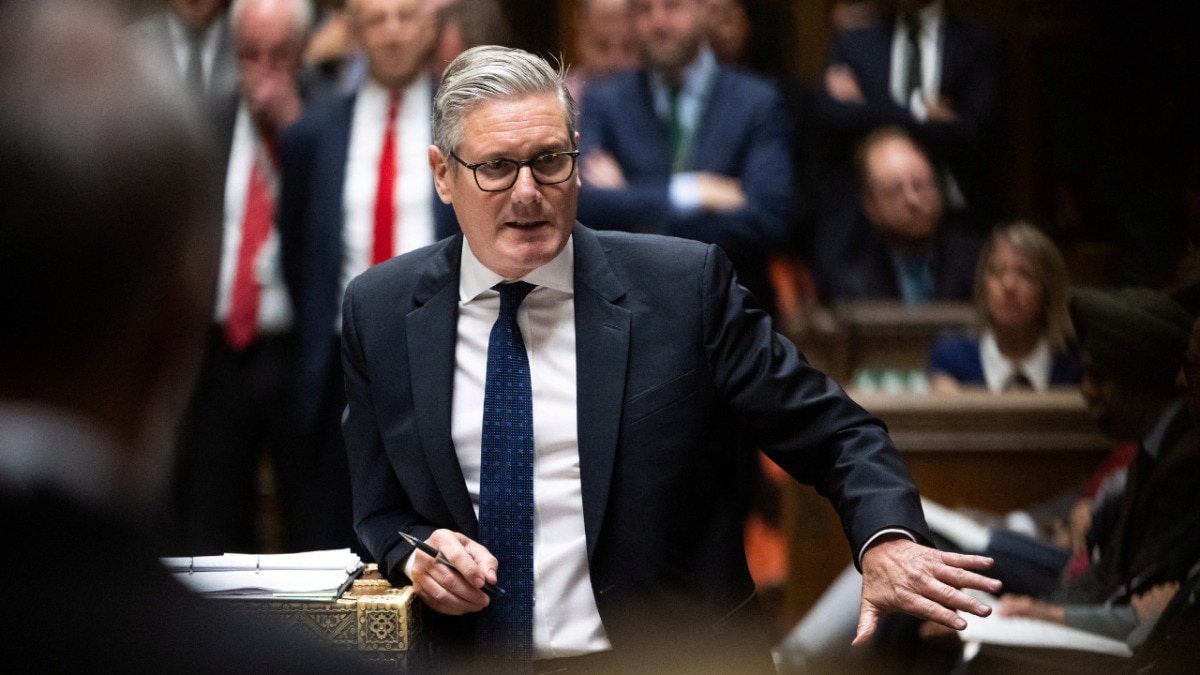
British Prime Minister Keir Starmer on Friday rejected calls to step down after a week of political turmoil, insisting he would fight to remain in
British Prime Minister Keir Starmer on Friday rejected calls to step down after a week of political turmoil, insisting he would fight to remain in office despite the resignations of two senior defence officials and growing speculation about a leadership challenge. In his first comments less than 24 hours after Defence Secretary John Healey quit, Starmer admitted Labour's recent setbacks and said he needed to "turn things around". However, he said he would not walk away from the job, arguing that any successor would face the same economic and spending pressures confronting his government. Read Full Story "I'm not going to walk away," he told the BBC. However, he also acknowledged the scale of the challenge ahead. "Well, that's what I want to do. I recognise that I've got to turn things around. We had a very bad set of elections." When asked whether he could still lead Labour into the next general election, Starmer admitted that his future depended on reversing the party's fortunes.
"I've always been clear that that's what I want to do, but look, I recognise that given where we are, I need to turn that around, and that's what I intend to do." RESIGNATIONS SHAKE STARMER'S LEADERSHIP The latest crisis began when John Healey resigned as defence secretary, accusing him and the Treasury of failing to provide enough resources to strengthen Britain's military. In his resignation letter, Healey blamed that Starmer had been "unable, and the Treasury has been unwilling" to commit the funding required for the country's long-term defence plans. His departure was quickly followed by the resignation of Armed Forces Minister Al Carns, who also criticised the government's defence investment strategy. Carns warned that current spending plans were not ambitious enough to meet modern military challenges. According to him, the lessons from the war in Ukraine showed the need for a more transformative approach, particularly as drones and new technologies reshape warfare. Despite his criticism, Carns asked Starmer to remain in office and "steady the ship", though he stopped short of ruling out his own leadership ambitions in the future.
ROW OVER MILITARY SPENDING Starmer pushed back against accusations that he had neglected national security. He said defence remained one of his government's highest priorities and argued that difficult choices had already been made to redirect money towards military investment. "I would just gently say this, that whoever is Prime Minister is going to face the same prevailing winds and for every answer that is being suggested the question has to be when you are in Government, which is about trade-offs, what is it then that you would not do." "Easy answers are by their nature easy decision." "Government involves trade-offs, so they always have to come with that second question. Well, if you're going to do that, what is it you wouldn't do?" Starmer argued that every future prime minister would face the same economic realities. "Whoever is prime minister is going to face the same prevailing winds as I am facing. None of that is going to change." LABOUR FACES A CRUCIAL TEST With two senior ministers now gone, the focus is no longer only on Starmer's immediate challenges but also on who could emerge as a contender if his leadership crisis deepens.
Among them is Andy Burnham, who is expected to return to Westminster and has long been viewed as a possible leadership contender. Health Secretary Wes Streeting has also been mentioned after recently criticising Starmer's leadership. Meanwhile, newly appointed Defence Secretary Dan Jarvis now faces the immediate task of defending and implementing a military investment plan that his predecessor publicly condemned. For Starmer, the challenge extends beyond defence spending. The prime minister must now convince voters, party members and nervous colleagues that he can recover from Labour's recent setbacks and restore confidence in his leadership. Ends With inputs from agencies
 The BriefWire