Hormuz, Sanctions Relief And Troop Withdrawal: 5 Big Promises In Trump's Proposed US-Iran Deal
Hormuz, Sanctions Relief And Troop Withdrawal: 5 Big Promises In Trump's Proposed US-Iran Deal Written By, Last Updated: June 12, 2026, 15:49 IST Negotiators have
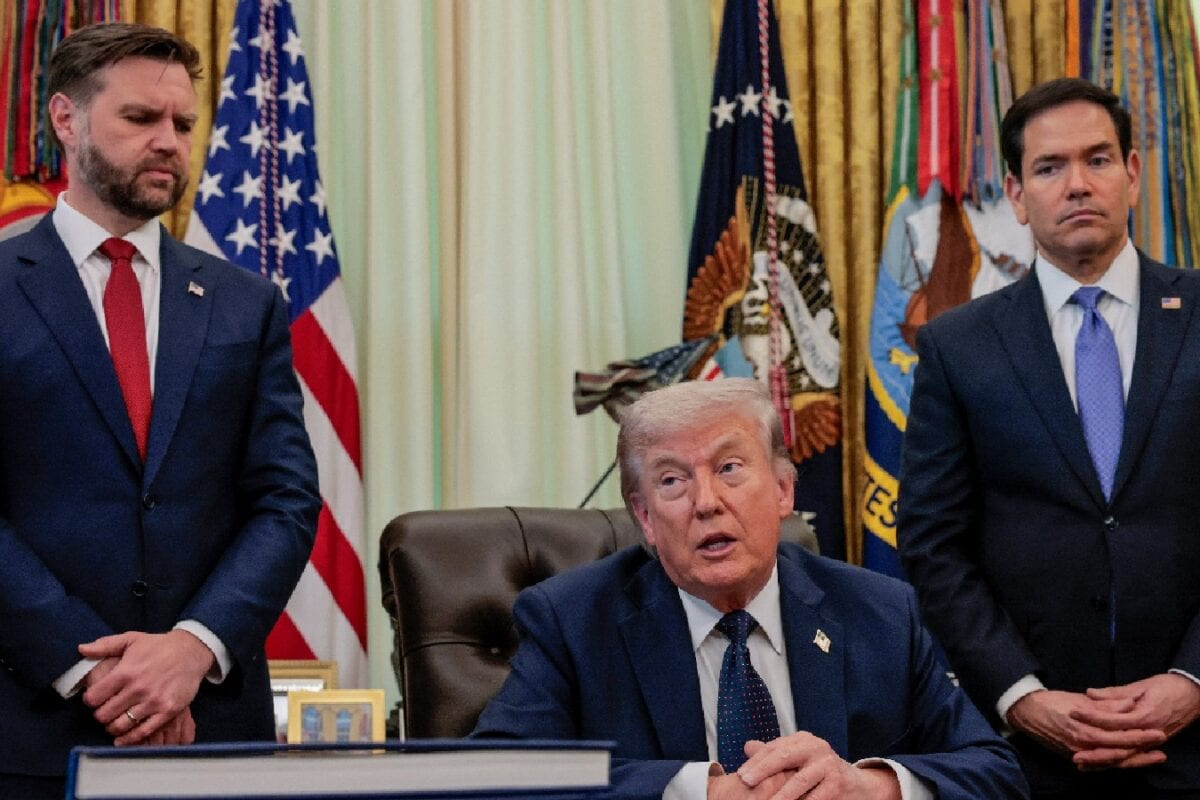
Hormuz, Sanctions Relief And Troop Withdrawal: 5 Big Promises In Trump's Proposed US-Iran Deal Written By, Last Updated: June 12, 2026, 15:49 IST Negotiators have drafted a proposed Memorandum of Understanding that could serve as the foundation for a broader agreement between the United States and Iran Rapid Read US President Donald Trump speaks in the Oval Office, with Vice President JD Vance and Secretary of State Marco Rubio standing behind him, at the White House in Washington, DC, US. (IMAGE: REUTERS) After weeks of military escalation, threats over oil infrastructure and fears of a wider conflict in the Gulf, Washington and Tehran appear to be exploring a diplomatic off-ramp. President Donald Trump on Friday said the US has “ended the war with Iran" and announced a “great settlement" that he said would resolve the US-Iran-Israel conflict and reopen the Strait of Hormuz. Trump said US Vice-President JD Vance may attend a signing ceremony in Europe within days, adding that Iran’s supreme leader was on board. However, the Iranian Foreign Ministry spokesperson said his country had not yet reached a final decision on any agreement. According to Bloomberg, negotiators have drafted a proposed Memorandum of Understanding (MoU) that could serve as the foundation for a broader agreement between the United States and Iran. While the document is not a final peace deal, it outlines a series of commitments aimed at lowering tensions, restoring stability in global energy markets and creating space for further negotiations.
Here are the five biggest provisions reportedly included in Trump’s proposal. 1. Iran Would Reopen The Strait Of Hormuz At the heart of the proposed agreement is the Strait of Hormuz, the narrow waterway that connects the Persian Gulf to the Arabian Sea and carries roughly one-fifth of the world’s oil trade. ALSO READ | Will US Release Tehran’s Funds? The Iran Peace Push Comes With A $16 Billion Question According to Axios, Iran will agree to fully reopen the strait within 30 days and allow the free movement of commercial shipping without imposing restrictions, tolls or other barriers. The provision is significant because concerns over disruptions in Hormuz have repeatedly rattled global markets. Any prolonged closure or military confrontation in the waterway could send oil prices soaring and affect economies around the world. The reopening of Hormuz appears to be one of Washington’s primary objectives in the negotiations. 2. The US Would Offer Sanctions Relief In exchange, the United States would begin easing some of the economic sanctions imposed on Iran. Bloomberg quoting Mehr Agency said oil sanctions on Iran will be lifted under the deal—a major step toward ending parts of the economic pressure campaign that has weighed heavily on Iran’s economy for years. While details remain unclear, any easing of sanctions could help Iran increase oil exports, regain access to international financial systems and unlock economic activity that has been restricted under previous US measures. ALSO READ | Israel Says ‘Not A Party To’ US-Iran Deal, Seeks Dismantling Of Nuclear Infra, Proxy Support However, the relief is expected to be tied to Iranian compliance with the agreement’s provisions.
3. A 60-Day Ceasefire Would Be Extended Another key pillar of the proposal is the extension of the current ceasefire framework. According to Axios, both sides would agree to prolong the ceasefire by another 60 days, creating a temporary period of stability during which broader negotiations could continue. The ceasefire would also cover related theatres of conflict, including tensions involving Iran-backed groups elsewhere in the region. 4. Iran Would Make Nuclear Commitments The proposed memorandum also touches on one of the most contentious issues in US-Iran relations: Tehran’s nuclear programme. Axios reported that Iran would commit not to pursue nuclear weapons and would enter discussions over the future of its enriched uranium stockpile. The provisions are reportedly broad and stop short of a detailed nuclear agreement. Instead, they are designed to establish principles that could guide future negotiations. That means many of the difficult technical questions, including uranium enrichment levels, inspections and verification mechanisms, would still need to be resolved in subsequent talks. 5. Withdrawal of US Forces From The Area Surrounding Iran Bloomberg say one of the most significant concessions reportedly under discussion is a US agreement to withdraw forces and military assets from areas surrounding Iran. The move would mark a major shift in Washington’s regional posture and addresses a long-standing Iranian demand to reduce the American military presence near its borders, according to reports on the proposed peace framework. The proposed deal comes at a critical moment when tensions between Washington and Tehran have risen sharply.
Threats involving Iran’s oil infrastructure, concerns over shipping routes in the Gulf and fears of broader regional escalation have kept the world on its toes. A breakthrough on the Strait of Hormuz alone would be closely watched by energy markets, given the waterway’s importance to global oil supplies. At the same time, sanctions relief could provide a much-needed boost to Iran’s economy, while nuclear commitments could revive diplomatic efforts that have stalled for years. News18 Newsletter Handpicked stories, in your inbox A newsletter with the best of our journalism submit About the Author Apoorva Misra Apoorva Misra is News Editor at News18.com with over nine years of experience. She is a graduate from Delhi University's Lady Shri Ram College and holds a PG Diploma from Asian College of Journalism,... Read More Location: United States of America (USA) First Published: June 12, 2026, 15:47 IST News world Hormuz, Sanctions Relief And Troop Withdrawal: 5 Big Promises In Trump's Proposed US-Iran Deal Disclaimer: Comments reflect users’ views, not News18’s. Please keep discussions respectful and constructive. Abusive, defamatory, or illegal comments will be removed. News18 may disable any comment at its discretion. By posting, you agree to our Terms of Use and Privacy Policy Loading comments...
 The BriefWire