Kerala HC Acquits Woman Convicted Of Killing Infant, Cites Mental Healthcare Act
Kerala HC Acquits Woman Convicted Of Killing Infant, Cites Mental Healthcare Act Published By, Last Updated: June 12, 2026, 13:04 IST HC also disagreed with
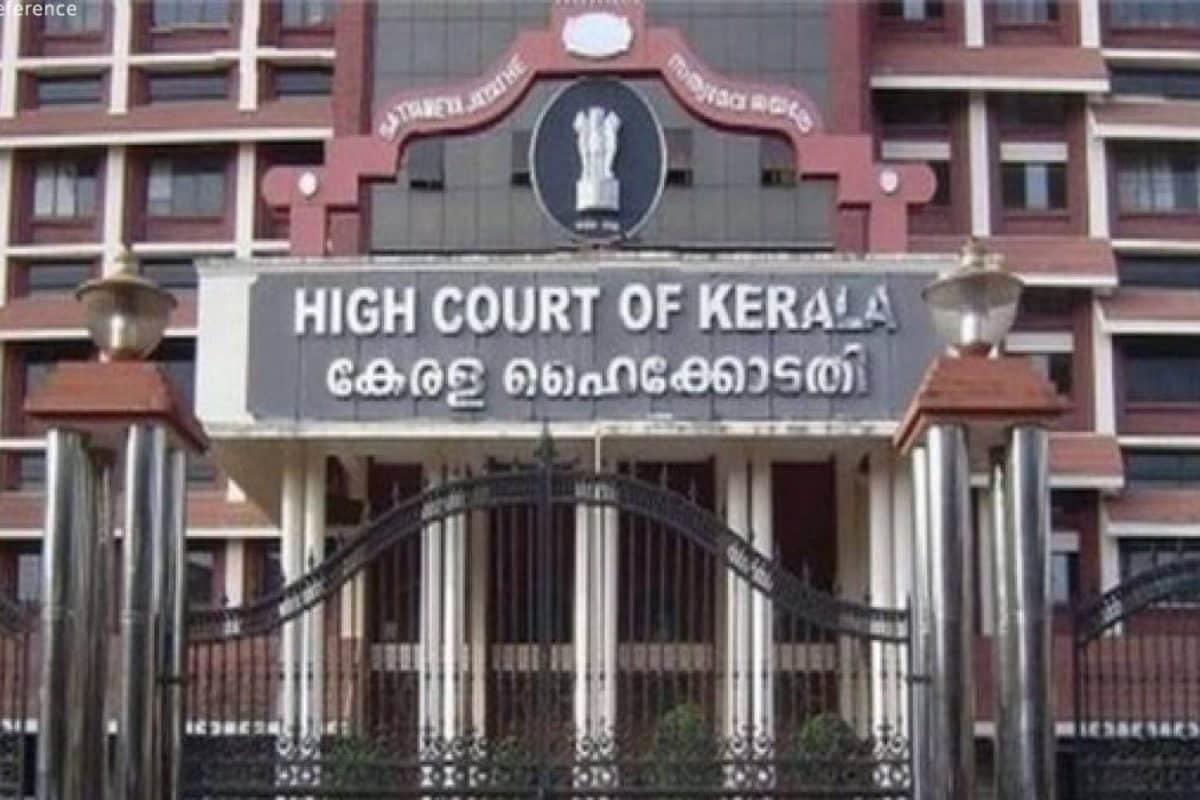
Kerala HC Acquits Woman Convicted Of Killing Infant, Cites Mental Healthcare Act Published By, Last Updated: June 12, 2026, 13:04 IST HC also disagreed with the Sessions Judge's reasoning that Section 309 IPC was not attracted because the injuries on the wrists and elbows were not severe enough to cause death. Rapid Read Kerala High Court |File pic Invoking the provisions of the Mental Healthcare Act, the Kerala High Court has acquitted a woman who was convicted and sentenced to life imprisonment for smothering her 15-month-old child in 2016, holding that she had been under severe mental stress and had also attempted to take her own life at the time of the incident. The woman had been convicted by a Sessions Court in November 2023. However, the High Court noted that the Mental Healthcare Act, which came into force in 2018 and has previously been held to have retrospective effect, was already in force when the trial commenced in 2021. It was observed that the trial court ought to have considered its provisions. A division bench of Justices Raja Vijayaraghavan V and KV Jayakumar pointed to evidence showing that the woman had consumed a large number of paracetamol tablets, inflicted injuries on her wrists using a sharp object and left behind a suicide note before the incident.
“These circumstances, prima facie, constituted material evidence relevant to the allegation of an attempt to commit suicide. However, for reasons best known to the prosecution, no earnest effort was made to substantiate the charge under section 309 IPC," the court said. Rejecting the prosecution’s argument that the statutory presumption under Section 115 of the Mental Healthcare Act would not apply because the accused had been acquitted of the charge under Section 309 IPC, the High Court said the prosecution itself had not seriously pursued the charge before the trial court. “We further find that the acquittal of the appellant under section 309 of the IPC was not founded on a positive finding that there was no attempt to commit suicide. On the contrary, the Sessions Judge appears to have proceeded on the concession extended by the public prosecutor and on the premise that the prosecution had failed to establish that the injuries sustained by the accused were sufficient in the ordinary course to cause death. “Such an approach, in our view, is legally unsustainable," the bench said. The court also disagreed with the Sessions Judge’s reasoning that Section 309 IPC was not attracted because the injuries on the wrists and elbows were not severe enough to cause death. “Such an interpretation travels beyond the plain language of the provision and overlooks the distinction between an attempt to commit suicide and the actual likelihood of death resulting from the acts committed".
“The focus of section 309 of the IPC is the attempt and the acts done towards its commission, and not the ultimate gravity or fatal potential of the injuries inflicted," it said. Holding that Section 115 of the Mental Healthcare Act squarely applied to the case, the bench observed that the woman was presumed to have been under severe mental stress and could not be punished for offences under the IPC. “In the above circumstances, we are of the considered view that the provisions of section 115 of the Mental Healthcare Act, 2017 would squarely apply to the facts of the instant case and the appellant would be deemed to have been under mental stress, and she could not have been punished for any of the offences under the IPC," the court said in its June 8 judgment. Allowing her appeal, the High Court set aside the conviction and life sentence imposed by the Sessions Court and ordered her release. “.. the appellant/accused is set at liberty," it said. According to the woman, she had endured years of cruelty and harassment from her husband and in-laws, who allegedly accused her of having an illicit relationship and questioned the paternity of the child. She also alleged repeated demands for additional dowry and said she had been subjected to mental and physical abuse.
She claimed the prolonged trauma drove her to attempt suicide on February 16, 2016, by consuming 14 paracetamol tablets. According to her, she lost consciousness after taking the tablets and had no recollection of how her wrists were cut or what subsequently happened to her child. (With inputs from PTI) News18 Newsletter Handpicked stories, in your inbox A newsletter with the best of our journalism submit About the Author News Desk The News Desk is a team of passionate editors and writers who break and analyse the most important events unfolding in India and abroad. From live updates to exclusive reports to in-depth explainers,... Read More Location: Kerala, India, India First Published: June 12, 2026, 13:04 IST News india Kerala HC Acquits Woman Convicted Of Killing Infant, Cites Mental Healthcare Act Disclaimer: Comments reflect users’ views, not News18’s. Please keep discussions respectful and constructive. Abusive, defamatory, or illegal comments will be removed. News18 may disable any comment at its discretion. By posting, you agree to our Terms of Use and Privacy Policy Loading comments...
 The BriefWire