Stones thrown, chaos at Bangladesh border as BSF move to repatriate infiltrators
India-Bangladesh border tensions came into focus once again after a fresh incident along the Meghalaya frontier coincided with a high-level meeting between the Border Security
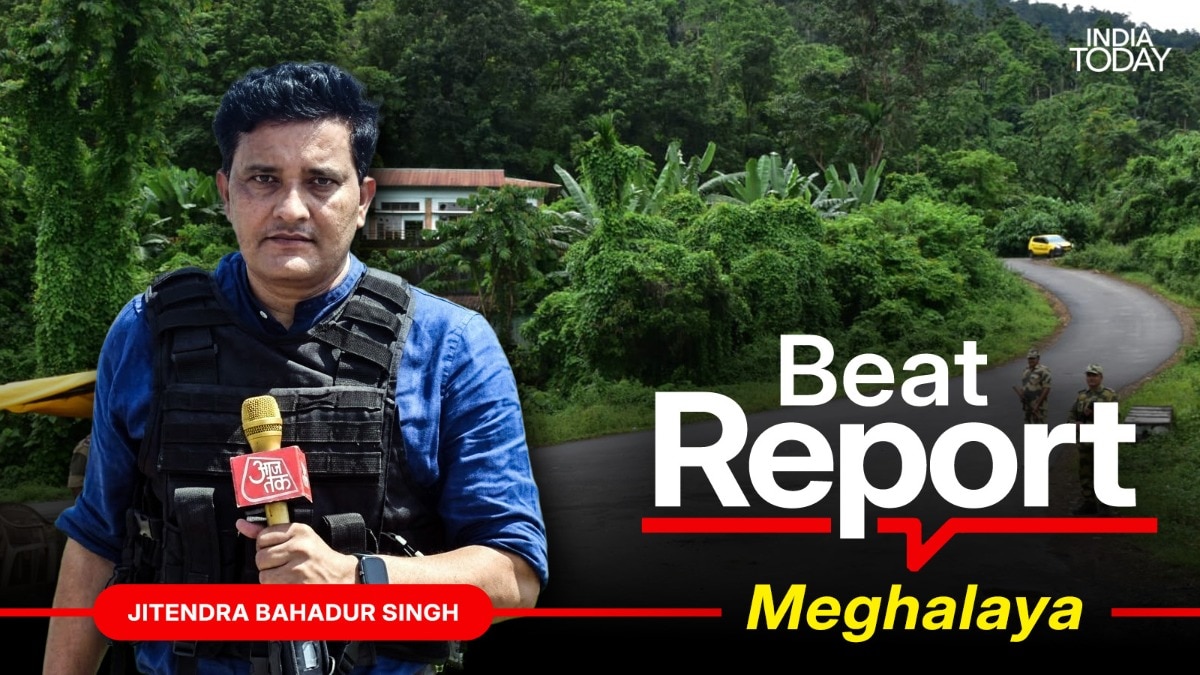
India-Bangladesh border tensions came into focus once again after a fresh incident along the Meghalaya frontier coincided with a high-level meeting between the Border Security Force (BSF) and the Border Guard Bangladesh (BGB) in New Delhi to review border security challenges, illegal infiltration, smuggling and bilateral cooperation. According to sources, tensions erupted along the India-Bangladesh border in Meghalaya when the BSF detained a Bangladeshi national and initiated the process of sending him back across the border. However, the BGB reportedly refused to accept the individual after he was taken to the border. Read Full Story The situation escalated as large numbers of local residents gathered on both sides of the international boundary. The crowd soon turned agitated, leading to stone-pelting from both sides. Security personnel deployed in the area exercised additional vigilance to bring the situation under control. No major damage was reported, but the incident once again highlighted the sensitivity of the border and renewed debate over illegal infiltration and repatriation procedures. Against this backdrop, the BSF and BGB concluded the 57th Director General-level Border Coordination Conference at the BSF Headquarters in New Delhi from June 8 to June 11, 2026.
The Indian delegation was led by BSF Director General Praveen Kumar, while the Bangladeshi delegation was headed by BGB Director General Major General Mohammad Ashrafuzzaman Siddiqui. The meeting took place amid growing concerns over infiltration, smuggling and other illegal cross-border activities. During the four-day conference, both sides reviewed the prevailing border situation and held detailed discussions on a range of security-related issues. The agenda included narcotics trafficking, arms smuggling, circulation of Fake Indian Currency Notes (FICN), gold smuggling, illegal movement of prohibited goods, human trafficking and other unlawful cross-border activities. Officials from both countries acknowledged the need for stronger coordination and joint action to tackle these challenges effectively. The two sides also discussed deaths along the border, incidents involving inadvertent or forced crossings, and issues related to border infrastructure development. Both delegations stressed the effective implementation of the Coordinated Border Management Plan (CBMP). Officials agreed that border management cannot remain solely the responsibility of security forces and emphasised the importance of creating awareness among people living in border areas about the sensitivity of the international boundary.
A key outcome of the meeting was the reaffirmation of a shared "zero tolerance" policy against cross-border crimes. The BSF and BGB reiterated their commitment to taking strict action against infiltration, smuggling, extremist activities and any other threats to border security. Both sides also agreed to strengthen joint patrols, increase surveillance along the border, share intelligence in real time and conduct coordinated operations against international criminal syndicates. The conference holds significance because India and Bangladesh share a nearly 4,096-km international border, one of the longest land borders in the world. The frontier passes through West Bengal, Assam, Meghalaya, Tripura and Mizoram and has long faced challenges related to illegal infiltration, cattle smuggling, drug trafficking networks, human trafficking and activities linked to radical elements. Security experts believe the Meghalaya incident underscores the complexities involved in identifying illegal infiltrators, verifying citizenship and carrying out repatriation procedures. Disputes often arise when one country refuses to recognise an individual as its citizen, creating tensions along the border. While officials from both countries reiterated their commitment to maintaining peace, stability and cooperation during the New Delhi meeting, the Meghalaya incident highlighted the continuing challenges at the ground level.
Sources told Aaj Tak that the conference placed special emphasis on educating people living in border regions about the sanctity of the international boundary and the legal processes governing cross-border movement. Experts noted that residents of border villages sometimes become involved in smuggling networks or other illegal activities, knowingly or unknowingly, making public awareness campaigns an important component of border security. At the conclusion of the four-day conference, both delegations signed a Joint Record of Discussion and expressed confidence that the decisions taken during the meeting would strengthen border management and further improve India-Bangladesh relations. The next Director General-level meeting is proposed to be held in Dhaka in November 2026. Ends Published By: Akshat Trivedi Published On: Jun 12, 2026 10:34 IST
 The BriefWire