Two Top UK Defence Figures Resign: Why It Is A Big Blow To Keir Starmer
Two Top UK Defence Figures Resign: Why It Is A Big Blow To Keir Starmer Published By, Last Updated: June 12, 2026, 09:13 IST A
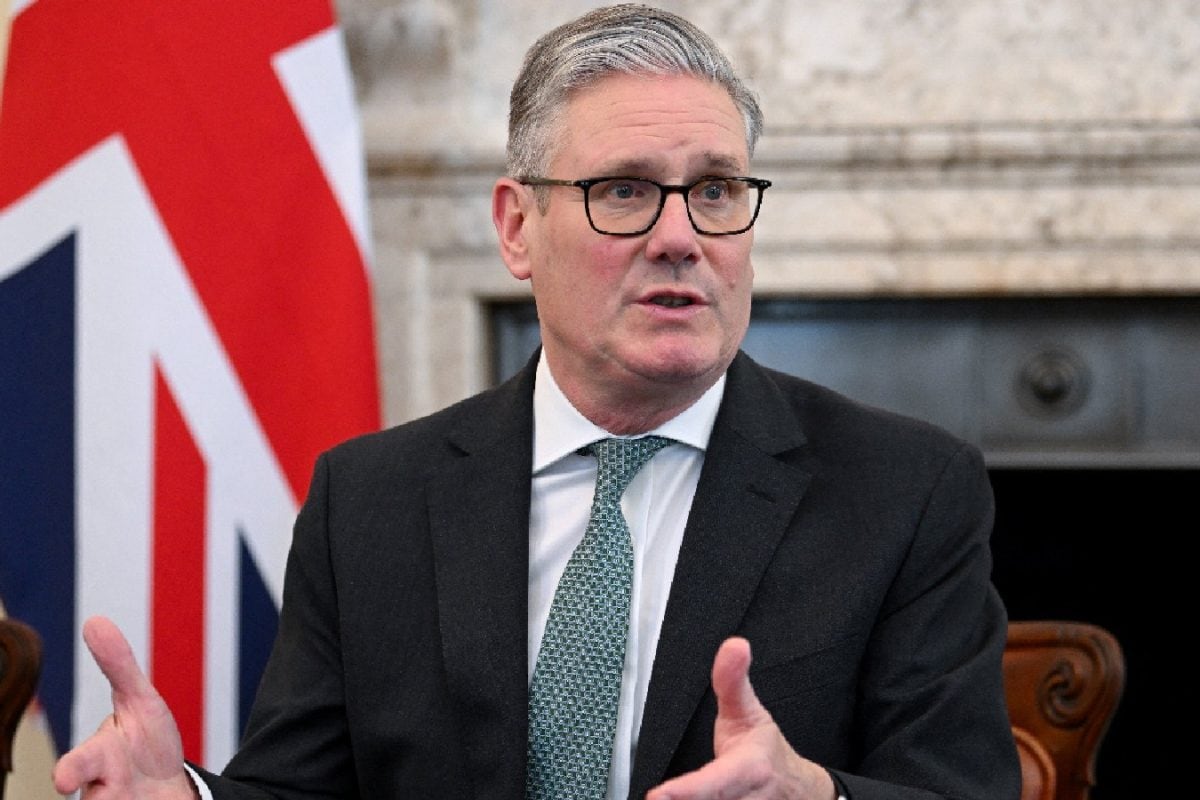
Two Top UK Defence Figures Resign: Why It Is A Big Blow To Keir Starmer Published By, Last Updated: June 12, 2026, 09:13 IST A dispute over UK military funding led to the resignation of Defence Secretary John Healey, followed soon after by armed forces minister Al Carns. Rapid Read British Prime Minister Keir Starmer (IMAGE: REUTERS) UK Prime Minister Keir Starmer is facing a fresh crisis after two senior defence figures resigned over military funding, opening a new front of pressure at a time when his leadership is already under strain inside the Labour Party. Defence Secretary John Healey quit on Thursday after warning that the level of military spending proposed by Starmer “falls well short" of what is needed to protect the country. Soon after, Al Carns, the minister of state for the armed forces, also resigned, saying he could not defend “a level of investment I know to be inadequate to the task". The row comes as his government prepares to finalise a long-delayed Defence Investment Plan, which is expected to explain how Britain will fund its military priorities at a time of rising concern over Russia and pressure on NATO countries to spend more on defence. Security minister Dan Jarvis, a former British Army officer, was appointed as the new defence secretary on Thursday evening. What Triggered The Resignations? At the centre of the crisis is the Defence Investment Plan, or DIP, a blueprint that is supposed to spell out how Britain will pay for the defence commitments made in last year’s Strategic Defence Review. The review had called for a shift towards “warfighting readiness" and promised billions in extra spending on ammunition, next-generation fast jets, drones and new attack submarines. The plan was originally due last autumn, but internal disagreements over defence spending pushed it back.
The dispute escalated after Healey received the proposed funding settlement on Monday. He said the plan was “backloaded", meaning it pushed too much of the money to later years, while the armed forces needed urgent investment in the first two years to become battle-ready faster. Healey accused Starmer and the Treasury of failing to provide the money needed at a dangerous moment for the country. He wrote that the prime minister had been “unable" and the Treasury “unwilling" to “commit the resources that the nation needs to defend the country at this time of rising threats". Healey also pointed to Starmer’s own warning on Russia. The prime minister had recently said British intelligence assessments suggested Russia could be ready to attack NATO countries as soon as 2030. Healey’s argument was that if the threat was so serious, the government’s funding plan should have given the armed forces more money and faster support. How Big Is The Funding Gap? According to the BBC, the government was preparing to announce a £13.5 billion funding increase for the Ministry of Defence over the next four years. That was far below the extra £28 billion reportedly requested by the department. Starmer, however, has argued that the government must raise defence spending in a way that is “sustainable and fair". His government has committed to spending 3.5 per cent of GDP on defence by 2035, but it has not yet fully explained how that commitment will be funded. Why Al Carns’ Resignation Made It Worse Carns, a former Royal Marine, resigned shortly after Healey. Only about an hour earlier, he had suggested in interviews with Sky News and the BBC that he was willing to wait until the Defence Investment Plan was finalised before deciding his position. Soon after, he posted his resignation letter on X.
Carns said the plan was “neither transformative enough nor sufficiently funded". He also said the government was “failing" to give the armed forces what they need to do the job and the “loyalty to stand by them when it’s done". His resignation letter focused on the speed at which modern conflict is changing. “The character of conflict is changing faster than our procurement can keep up with," Carns wrote. He added: “We are asking our Armed Forces to operate in a more dangerous world on a budget written for a calmer one." What Is Starmer’s Defence? Starmer has defended his government’s approach. In his response to Healey’s resignation, the prime minister said he was “proud of our record on funding". He said the Defence Investment Plan “will provide the resources our military needs to keep us safe and the clarity the British defence industry needs to plan". Starmer has framed the dispute as a difficult balance between defence needs and public finances. He said the spending increases behind the plan would be “sustainable and fair" and would require “significant reallocations of funding from across government departments and the right choices to protect our nation". He also warned that “irresponsible borrowing" would put that at risk. “Taking these decisions is never easy," he said. The prime minister also pointed to the UK government’s work on Ukraine, support for Gulf allies and planning around the Strait of Hormuz while defending his record. He said that when Labour entered government in 2024, he decided to increase defence spending after the Conservatives had “hollowed out our armed forces". “That required a cut to the international aid budget but the result was the highest sustained increase in defence spending since the Cold War," Starmer said. Why This Is Politically Dangerous For Starmer The resignations come at a particularly difficult moment for Starmer.
His government’s popularity has fallen sharply, and he has faced pressure from within Labour after poor election results in England, Scotland and Wales last month. He has also faced calls to resign within his own party, although he has told supporters he would stand in any Labour leadership contest. Healey’s resignation also comes after another high-profile cabinet exit. He is the second cabinet minister to resign from Starmer’s government in recent weeks, after Wes Streeting quit as health secretary having “lost confidence" in the prime minister’s leadership. The defence row is not just about whether the government can manage its spending plans. It is about whether Starmer can keep senior ministers on board, maintain discipline inside his party and deliver on national security at a time when his government is warning of rising threats. The timing is also awkward because of an upcoming by-election in which Labour candidate Andy Burnham is seeking a return to Westminster, potentially putting him in a position to challenge Starmer for the premiership. News18 Newsletter Handpicked stories, in your inbox A newsletter with the best of our journalism submit About the Author Karishma Jain Karishma Jain, Chief Sub Editor at News18.com, writes and edits opinion pieces on a variety of subjects, including Indian politics and policy, culture and the arts, technology and social change. Follo... Read More First Published: June 12, 2026, 09:13 IST News world Two Top UK Defence Figures Resign: Why It Is A Big Blow To Keir Starmer Disclaimer: Comments reflect users’ views, not News18’s. Please keep discussions respectful and constructive. Abusive, defamatory, or illegal comments will be removed. News18 may disable any comment at its discretion. By posting, you agree to our Terms of Use and Privacy Policy Loading comments...
 The BriefWire