Ted Cruz and Ron Wyden try to fight censorship with bipartisan JAWBONE Act
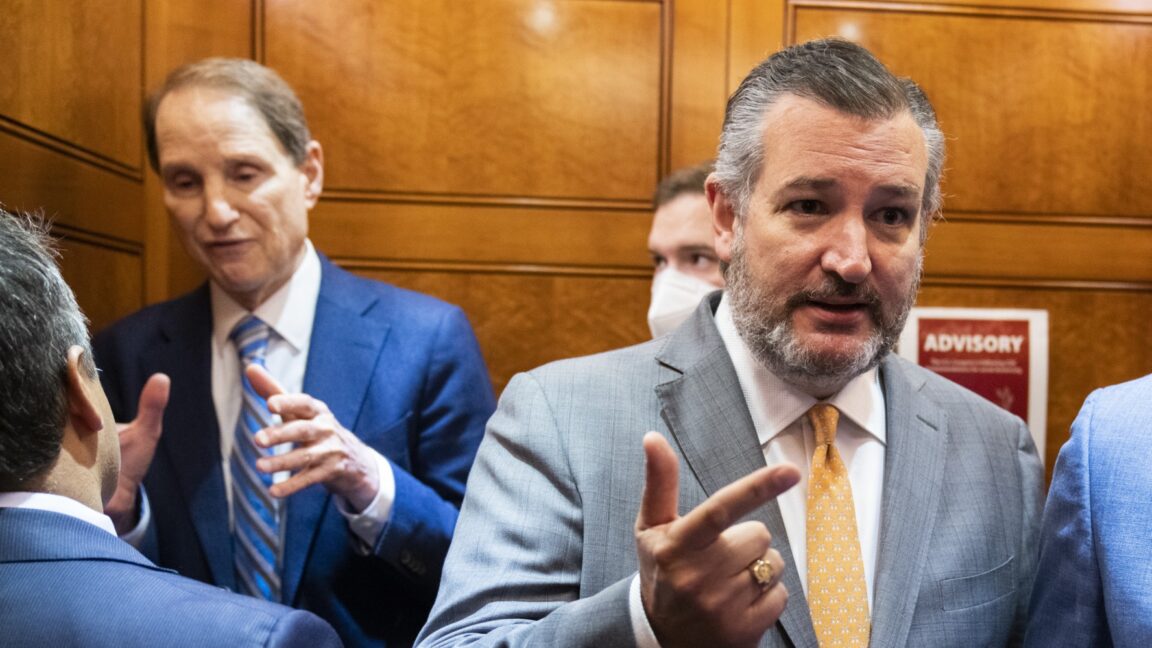
US Senators Ted Cruz (R-Texas) and Ron Wyden (D-Ore.) today introduced the JAWBONE Act, a proposed law that could fuel lawsuits against federal officials who
US Senators Ted Cruz (R-Texas) and Ron Wyden (D-Ore.) today introduced the JAWBONE Act, a proposed law that could fuel lawsuits against federal officials who try to coerce broadcasters or tech platforms into restricting speech. The Justice Against Weaponized Bureaucratic Overreach to Networked Expression Act would prohibit federal agencies and employees from coercing or trying to coerce broadcasters and providers of online services or AI services into changing content.
The bill could apply to Federal Communications Commission Chairman Brendan Carr's repeated attempts to pressure TV networks and broadcasters, or government pressure imposed on social media firms and AI chatbot makers. The bill would create a private right of action for victims of "jawboning," letting people recover compensatory damages in court.
Individuals whose speech is stifled could bring cases against government officials, and the proposed law could be enforced by state attorneys general through civil actions.
Read full article Comments
 The BriefWire