Dropped By 2.6%: Why Oil Prices Fell After Trump Called Off Iran Strikes
Dropped By 2.6%: Why Oil Prices Fell After Trump Called Off Iran Strikes Published By, Last Updated: June 12, 2026, 01:11 IST Brent crude, the
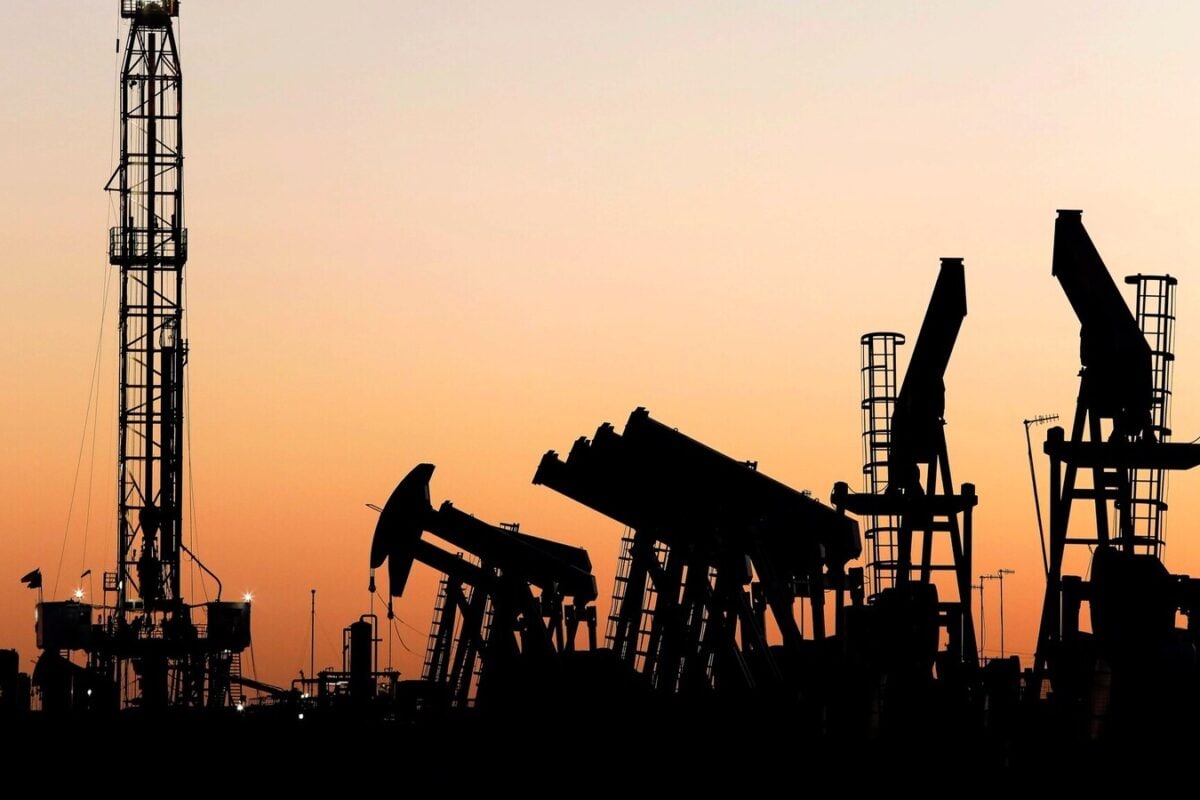
Dropped By 2.6%: Why Oil Prices Fell After Trump Called Off Iran Strikes Published By, Last Updated: June 12, 2026, 01:11 IST Brent crude, the global benchmark for oil, dropped below $90 a barrel shortly after Trump's announcement before recovering some ground. An oil rig stands at the end of a row of pump jacks shortly after sunset outside of Midland, Texas on Friday, April 24, 2020. (Eli Hartman/Odessa American via AP) Oil prices fell after US President Donald Trump announced that he had cancelled planned military strikes against Iran, prompting investors to dial back fears of an immediate escalation in a conflict that has driven energy markets higher for months. Brent crude, the global benchmark for oil, dropped below $90 a barrel shortly after Trump’s announcement before recovering some ground. It was later trading around $90.4 a barrel, down 2.6% on the day. The decline came after Trump signalled what he described as a potential diplomatic breakthrough with Tehran, claiming that negotiations had advanced to the point where the “final points" of an agreement had been approved.
What Did Trump Announce? In a post on Truth Social, Trump said he had cancelled scheduled strikes and bombings against Iran after discussions reached the highest levels of the Iranian leadership. The US President claimed that the final details of a proposed agreement had been approved “in both concept and great detail" and said a signing ceremony would be announced shortly. However, Trump did not provide details of the proposed deal and Iran has yet to publicly confirm his account of the negotiations. Why Did Trump’s Announcement Push Oil Prices Lower? Oil markets are highly sensitive to geopolitical risks, particularly in West Asia, which accounts for a significant share of global energy production. The prospect of fresh US strikes on Iran had raised concerns that the conflict could widen, potentially disrupting oil exports from the region and threatening shipping routes used by energy producers. By cancelling the strikes, Trump reduced the immediate risk of a broader military confrontation, leading traders to sell oil on expectations that supply disruptions may be less likely in the near term.
Why Does Iran Conflict Matter To Oil Markets? The conflict has had an outsized impact on oil prices because of its proximity to the Strait of Hormuz, one of the world’s most important energy chokepoints. Around 20% of global oil and natural gas shipments pass through the narrow waterway connecting the Persian Gulf to the Arabian Sea. Any threat to shipping in the strait can send energy prices sharply higher as traders factor in the risk of disrupted supplies. Is The Crisis Fully Over? Not necessarily. While Trump called off the planned strikes, he also said a US naval blockade targeting Iranian ports would remain “in full force and effect" until a final agreement is signed. The blockade, introduced in April, is aimed at restricting Iran’s ability to export oil and remains one of Washington’s key sources of leverage over Tehran. In addition, significant uncertainty remains around the negotiations themselves. Trump did not explain what had been agreed, and there has been no confirmation from Iran that a deal is close.
News18 Newsletter Handpicked stories, in your inbox A newsletter with the best of our journalism submit Location: Washington D.C., United States of America (USA) First Published: June 12, 2026, 01:11 IST News world Dropped By 2.6%: Why Oil Prices Fell After Trump Called Off Iran Strikes Disclaimer: Comments reflect users’ views, not News18’s. Please keep discussions respectful and constructive. Abusive, defamatory, or illegal comments will be removed. News18 may disable any comment at its discretion. By posting, you agree to our Terms of Use and Privacy Policy Loading comments...
 The BriefWire