Why Was The Pentagon In Lockdown Today? Officials Explain
Why Was The Pentagon In Lockdown Today? Officials Explain Published By, Last Updated: June 11, 2026, 22:15 IST Pentagon partially locked down after air quality
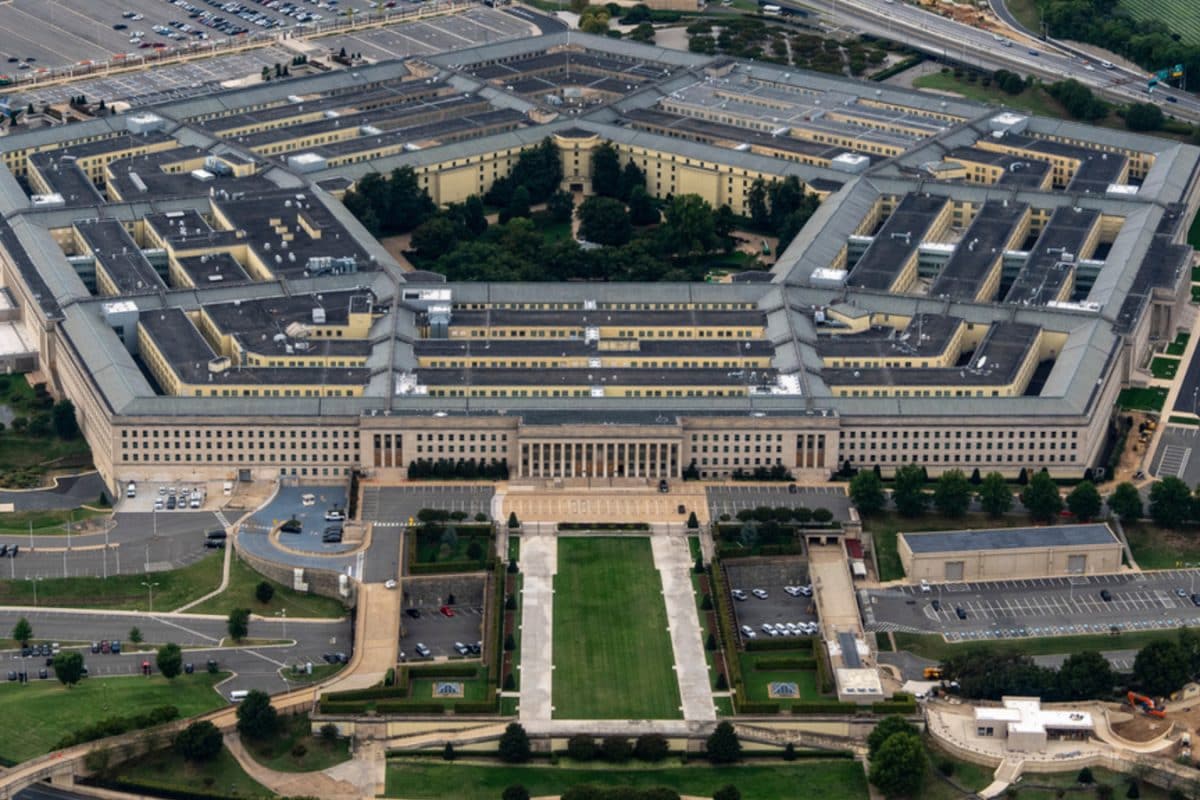
Why Was The Pentagon In Lockdown Today? Officials Explain Published By, Last Updated: June 11, 2026, 22:15 IST Pentagon partially locked down after air quality alert, Hazmat teams respond, sections evacuated, no injuries, officials say it was likely a false alarm under review. The Pentagon, the headquarters for the U.S. Department of Defence. (AP file photo) The Pentagon, one of the most secure buildings in the United States, was partially locked down on Thursday after its internal monitoring systems detected a potential air quality issue, triggering a hazardous materials response and the evacuation of several areas of the building. The incident sparked concern as emergency crews, including hazardous materials (Hazmat) teams, rushed to the US Department of Defense headquarters in Arlington, Virginia. However, officials later indicated that the alert may have been a false alarm. What Triggered the Lockdown? According to Pentagon spokesperson Sean Parnell, the building’s sophisticated safety systems detected an “air quality issue", prompting authorities to activate precautionary measures while the situation was assessed.
As a result, affected sections of the Pentagon were placed under a shelter-in-place order, while several floors and corridors were either evacuated or locked down. Emergency responders from Arlington County Fire Department joined the Pentagon Force Protection Agency’s Hazmat team in investigating the alert. Why Did Authorities Take It So Seriously? The Pentagon houses thousands of military and civilian personnel and is equipped with advanced systems designed to detect chemical, biological and radiological threats. These systems continuously monitor air quality and can automatically isolate sections of the building if a potential hazard is detected. The facility’s ventilation network can also be segmented to prevent contaminants from spreading through the complex. Because officials initially could not determine whether the alert represented a genuine threat, emergency protocols were activated immediately. Hazmat personnel conducted air sampling and additional testing while security restrictions remained in place.
Was There Actually a Hazardous Substance? As the investigation progressed, officials suggested the incident may have been the result of a false alarm rather than an actual hazardous materials emergency. Preliminary assessments reportedly did not identify any immediate chemical, biological or radiological threat inside the building. No injuries were reported, and authorities gradually eased restrictions as testing continued. Officials have not yet disclosed what specifically triggered the air quality alert. How Much of the Pentagon Was Affected? Reports indicated that multiple floors and corridors were impacted by the lockdown measures. Some reports suggested that nearly half of the building was temporarily subject to restrictions while emergency teams worked to determine the nature of the alert. What Happens Next? Authorities are continuing to review the incident and analyse data from the Pentagon’s monitoring systems to determine why the alert was triggered. While the incident appears likely to have been a false alarm, the response demonstrated how quickly security and emergency protocols can be activated at one of the world’s most heavily protected military facilities.
News18 Newsletter Handpicked stories, in your inbox A newsletter with the best of our journalism submit Location: Washington D.C., United States of America (USA) First Published: June 11, 2026, 22:15 IST News world Why Was The Pentagon In Lockdown Today? Officials Explain Disclaimer: Comments reflect users’ views, not News18’s. Please keep discussions respectful and constructive. Abusive, defamatory, or illegal comments will be removed. News18 may disable any comment at its discretion. By posting, you agree to our Terms of Use and Privacy Policy Loading comments...
 The BriefWire