'Great Regret': UK Defence Secretary Resigns, Says Starmer Refused Funding To Protect Country
'Great Regret': UK Defence Secretary Resigns, Says Starmer Refused Funding To Protect Country Published By, Last Updated: June 11, 2026, 17:59 IST UK Defence Secretary
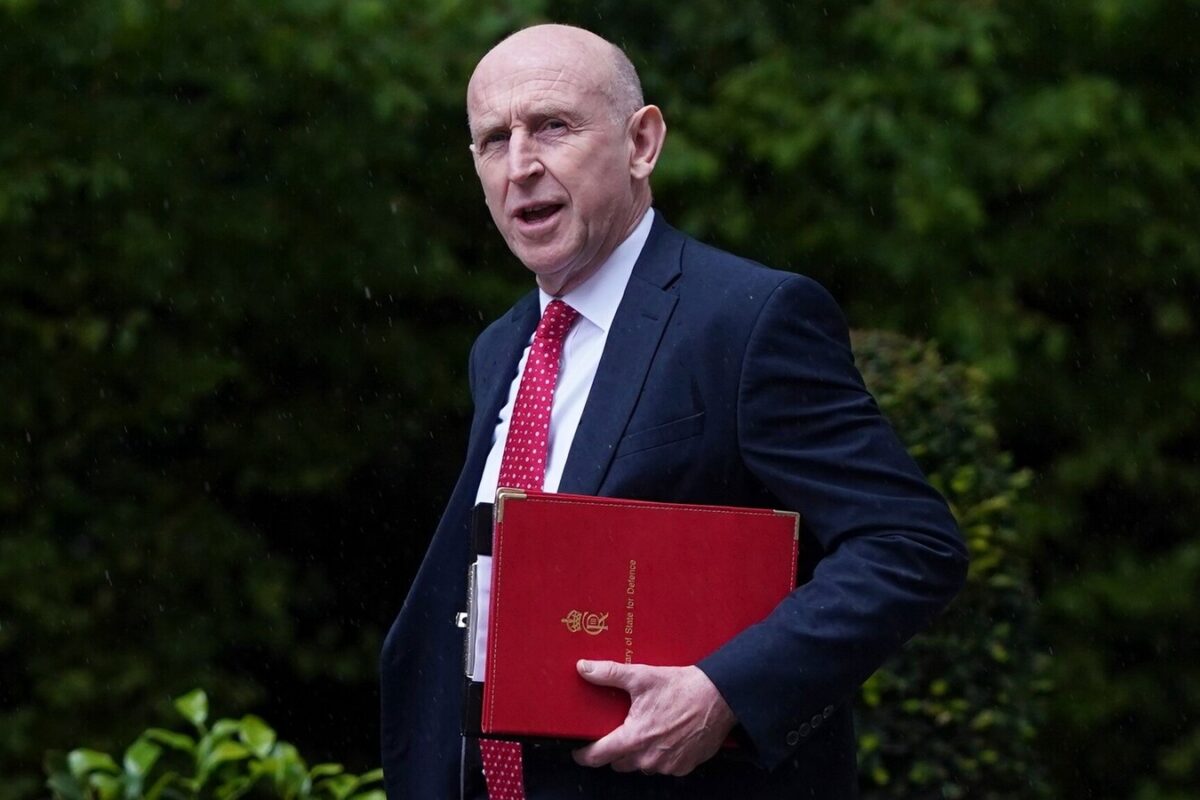
'Great Regret': UK Defence Secretary Resigns, Says Starmer Refused Funding To Protect Country Published By, Last Updated: June 11, 2026, 17:59 IST UK Defence Secretary John Healey quits, accusing Keir Starmer and the Treasury of underfunding defence, deepening Labour turmoil after Wes Streeting also resigned over leadership. British Defence Secretary John Healey has resigned over disagreements with Prime Minister Sir Keir Starmer's defence spending plan. (Image Courtesy: AP) UK Defence Secretary John Healey resigned on Thursday, citing Prime Minister Keir Starmer’s failure to secure adequate funding for Britain’s armed forces at a time of rising global threats, deepening a political crisis inside the Labour government less than two years after its landslide 2024 general election victory. In a letter posted on X addressed directly to Starmer, Healey wrote: “You have been unable, and the Treasury has been unwilling, to commit the resources that the nation needs to defend the country at this time of rising threats." My letter to the Prime Minister pic.twitter.com/j9z9nmLCb1— John Healey (@JohnHealey_MP) June 11, 2026 He said he was leaving with “great regret and reluctance," but that after making clear he would not accept a settlement that failed to give the forces what they required, he was “left with no other option." The letter reveals Healey only became aware of the full contents of the Defence Investment Plan on Monday afternoon, three days before his resignation.
He told Starmer the DIP financial settlement “falls well short of what is required for defence and the country at this dangerous time." What The Numbers Show The DIP spending would reach just 2.68 per cent of GDP by 2030, at a time when Britain was already on course for 2.6 per cent the following year. Healey had been pressing for a clear and credible path to 3 per cent of GDP on defence spending by 2030, a figure he said commanded cross-party support and matched the direction taken by other European NATO allies. Chief of the Defence Staff – Air Chief Marshal Sir Richard Knighton had told Starmer, Reeves, and Healey in a meeting before Christmas that the Ministry of Defence faced a £28 billion funding gap between now and 2030. Healey’s minimum working figure for his modernisation plan was £18 billion. Chancellor Rachel Reeves had sought to compress the DIP envelope to £13.5 billion, as reported by the Financial Times earlier this week. Healey told Starmer he was being “forced to make decisions that would reduce the readiness of our Forces," increase risk to personnel on operations, and could “make the country less safe." The Operational Demands Healey Named In his letter, Healey listed the specific military commitments he said the underfunded plan could not adequately support.
These included the UK-led multinational mission in the Strait of Hormuz, the UK’s lead role in NATO’s Arctic Sentry mission, and increased Russian activity directed at Britain and other NATO nations. He also cited Starmer’s own stated ambition for Britain to take leading roles in post-peace deal international forces in both Ukraine and Hormuz. Healey noted that Starmer had previously argued NATO could face a Russian attack as early as 2030, and told the prime minister directly: “You know what defence needs." Wes Streeting Resigned Earlier, On May 14 Healey’s departure follows that of former Health Secretary Wes Streeting, who resigned on May 14 saying he had lost confidence in Starmer’s leadership. In his letter, Streeting said it was clear Starmer would not lead Labour into the next general election and criticised what he called the government’s “drift" and absence of “vision." Streeting stopped short of formally triggering a leadership contest but did not rule out standing, saying Labour MPs and unions wanted an open debate on the party’s direction. Matthew Savill, director of military sciences at the Royal United Services Institute, said Healey’s departure showed “the gap between government rhetoric and reality became too great," adding that it was “damning," that Healey had only received the DIP financial terms on Monday.
News18 Newsletter Handpicked stories, in your inbox A newsletter with the best of our journalism submit About the Author Anoshito Banerjee Anoshito Banerjee is a digital journalist at CNN-News18, specialising in Indian foreign policy, global diplomacy, South and West Asian geopolitics, and strategic affairs. His reporting spans hard news... Read More Location: London, United Kingdom (UK) First Published: June 11, 2026, 17:59 IST News world 'Great Regret': UK Defence Secretary Resigns, Says Starmer Refused Funding To Protect Country Disclaimer: Comments reflect users’ views, not News18’s. Please keep discussions respectful and constructive. Abusive, defamatory, or illegal comments will be removed. News18 may disable any comment at its discretion. By posting, you agree to our Terms of Use and Privacy Policy Loading comments...
 The BriefWire