Why G7 is alarmed by global imbalances
PARIS: France is using its G7 presidency to spotlight mounting global economic imbalances, as China's surging exports, chronic U.S. deficits and Europe's weak investment risk
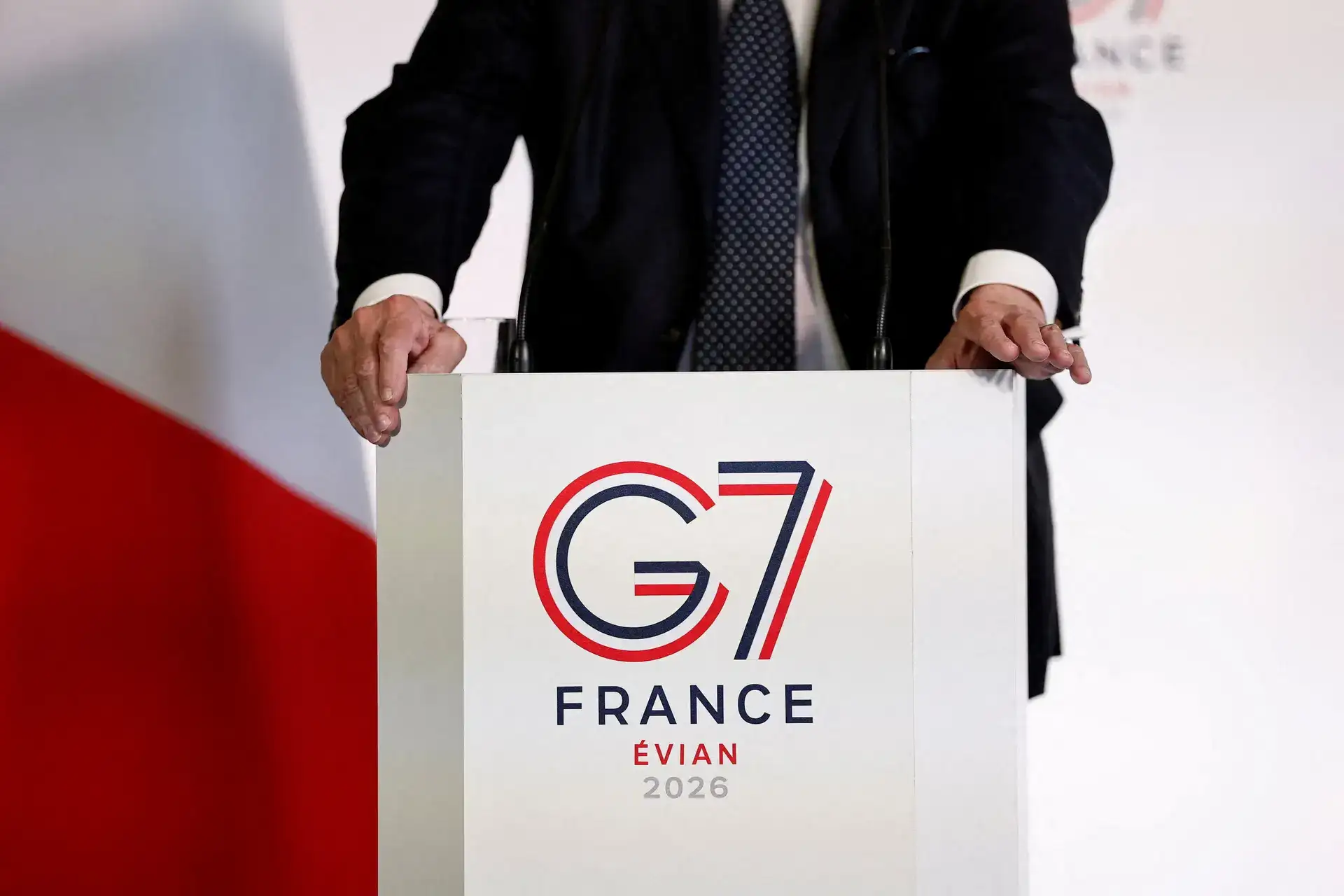
PARIS: France is using its G7 presidency to spotlight mounting global economic imbalances, as China's surging exports, chronic U.S. deficits and Europe's weak investment risk exacerbating trade tensions and exposing the world economy to financial shocks. Mismatches between global trade and capital flows have reached what French President Emmanuel Macron has called "unsustainable" levels, prompting him to put it on the G7 leaders summit next week in Evian, eastern France. G7 finance ministers agreed last month coordinated action, long elusive in the broader G20 grouping, was needed and warned imbalances could otherwise unwind in a financial crisis.Here are some of the main concerns:Also Read: China opens the floodgates to save India a fortuneA WORLD OF SAVERS AND SPENDERSCurrent account balances, which measure the flow of money into and out of a country in the form of imports and exports, investment earnings, and foreign aid, illustrate a growing divide since the COVID-19 pandemic.After narrowing in the decade following the 2008-2009 global financial crisis, China's surplus is climbing to record levels, the euro zone has retained its role as a net lender and the United States continues to rely on foreign capital to finance consumption.Together, the trends point to a global system in which excess savings are recycled into demand elsewhere - with the United States acting as the world's primary absorber.CHINA: SURPLUS BUILT ON OVER-CAPACITYChina's export-led growth model is under increasing scrutiny with state support far exceeding that in most other economies and helping drive output well over what its households can consume.Its external position has shifted sharply in recent years, with its current account surplus surging since COVID to a record $735 billion following a post-pandemic export boom that has taken place despite higher U.S. tariffs.
Weak demand at home and strong manufacturing exports have pushed the Chinese surplus higher. Critics, including U.S. President Donald Trump, say an artificially weak currency boosts China's exports while firms benefit from subsidies on a scale far above that seen in most advanced economies. Macron said in December that unless the major economies rebalance through cooperation, Europe would have "no choice" but to take protectionist measures.Beijing rejects the idea its trade practices distort trade. It says its companies are competitive and that it will defend their interests against any trade barriers.UNITED STATES: DEMAND ENGINE RUNNING DEFICITS
In contrast, the U.S. continues to anchor global demand through persistent current account deficits, reflecting strong household consumption and low savings.The pattern has been reinforced by loose fiscal policy, with multiple rounds of tax cuts, financial crisis stimulus and pandemic-era spending pushing the federal deficit deep into negative territory.The combination leaves the U.S. hooked on capital inflows from abroad, effectively importing savings from surplus economies to fund domestic spending. While this dynamic supports global growth, it also makes the U.S. a flashpoint for trade tensions, as policymakers turn to tariffs and industrial policy to tackle persistent
deficits.EUROPE: SURPLUS DRIVEN BY UNDERINVESTMENTWhile China's surplus reflects excess production, Europe's external position tells a different story, one rooted in weak domestic investment and high savings.European countries need to better convert household savings into productive investment or risk falling further behind the United States and China, according to a 2024 report by former ECB President Mario Draghi.Investment growth across the euro zone has lagged well behind the United States since the pandemic, particularly in technology.Economists say subdued investment limits domestic demand, leaving excess savings to chase higher returns abroad, helping to fuel the euro area's current account surplus.
 The BriefWire