Engadget's favorite Game Boy Advance games
Today marks the 25th anniversary of the Game Boy Advance, so to celebrate we wanted to revisit some of the best and most memorable titles
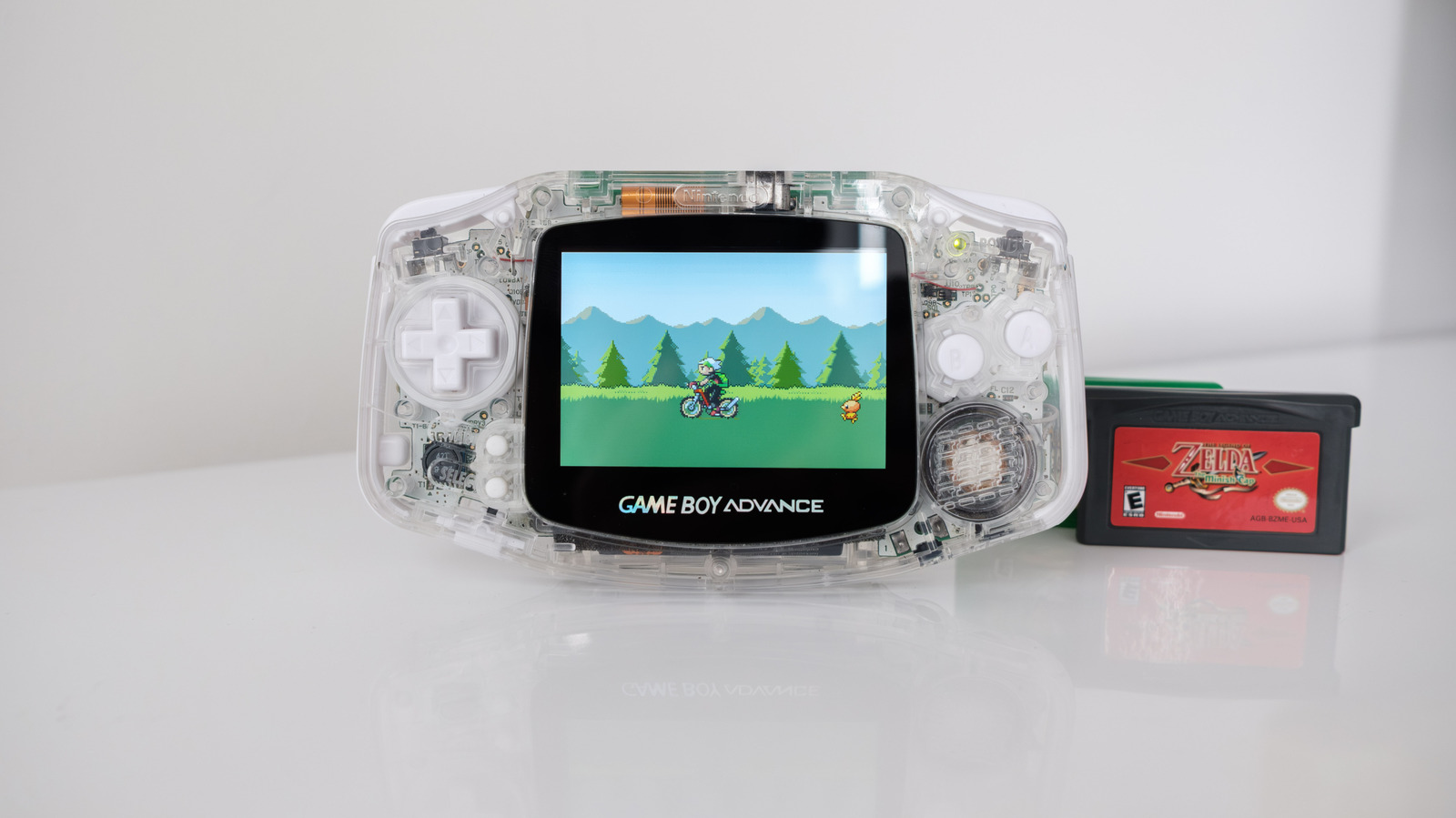
Today marks the 25th anniversary of the Game Boy Advance, so to celebrate we wanted to revisit some of the best and most memorable titles on the platform. We're talking about legendary games like Golden Sun to iconic franchises such as Advance Wars that got their start on the GBA. However, before we get into specific titles, we also wanted to take some time to look back at what is arguably Nintendo's most diverse and interesting pure handheld platform of all time, despite follow-ups like the DS and 3DS. (And yes, technically we're a bit late as the Game Boy Advance originally first went on sale in Japan in March, but folks in the US had to wait another few months for it to finally arrive on June 11, 2001.) Packing a custom SoC with not one but two processors running at a blistering 16.7MHz and up to 8.3MHz (the latter of which was used for backwards compatibility) with a whopping 288 kilobytes of combined RAM, the original GBA represented a massive leap in performance compared to the previous generation.
Suddenly, Nintendo had a portable console that could handle SNES-level graphics while also supporting a huge catalog of existing games dating all the way back to 1989. It also had a higher resolution 240 x 160 TFT display that finally brought rich colors to Nintendo's handheld games. This isn't meant as shade to the Game Boy Color, but even as kids, we knew the GBC was merely a stopgap. Meanwhile, Nintendo basically up-ended the original Game Boy's design by shifting from portrait orientation to a horizontal layout, which allowed for the addition of handy new shoulder buttons while keeping the classic cross-shaped D-pad and just two primary face buttons (A and B). And then there were the colors. Between the solid indigo and orange (which was exclusive to Japan) models and the translucent glacier blue and fuchsia versions, you basically had the early 2000s color palette encapsulated in plastic, and it was glorious.
But Nintendo didn't stop there, because in 2003, the GBA SP (the SP stands for special) came along and added a wonderful clamshell design and a dedicated backlight. This boosted the handheld's portability even more while letting you play games in any lighting condition without the need for silly attachments. Then came the GBA Micro in 2005, which shrunk the entire system down to Lilliputian proportions and served as the last official Game Boy release on record. In a lot of ways, the Game Boy Advance represented the peak of classic 2D sprite-based graphics long after home consoles like the N64 and PlayStation had moved into the polygonal era. It wasn't the most powerful or sophisticated handheld of its generation, but it was compact, sturdily built and had one of the greatest library games of any system.
And with a launch price of $100, which translates to about $190 in today's money, it was relatively affordable too. But enough about the hardware, let's move onto the games.
 The BriefWire