The 'Azad' Myth: How Islamabad Created The Illusion Of Autonomy In Pakistan-Occupied Kashmir
The 'Azad' Myth: How Islamabad Created The Illusion Of Autonomy In Pakistan-Occupied Kashmir Written By Last Updated: June 11, 2026, 15:06 IST If Pakistan formally
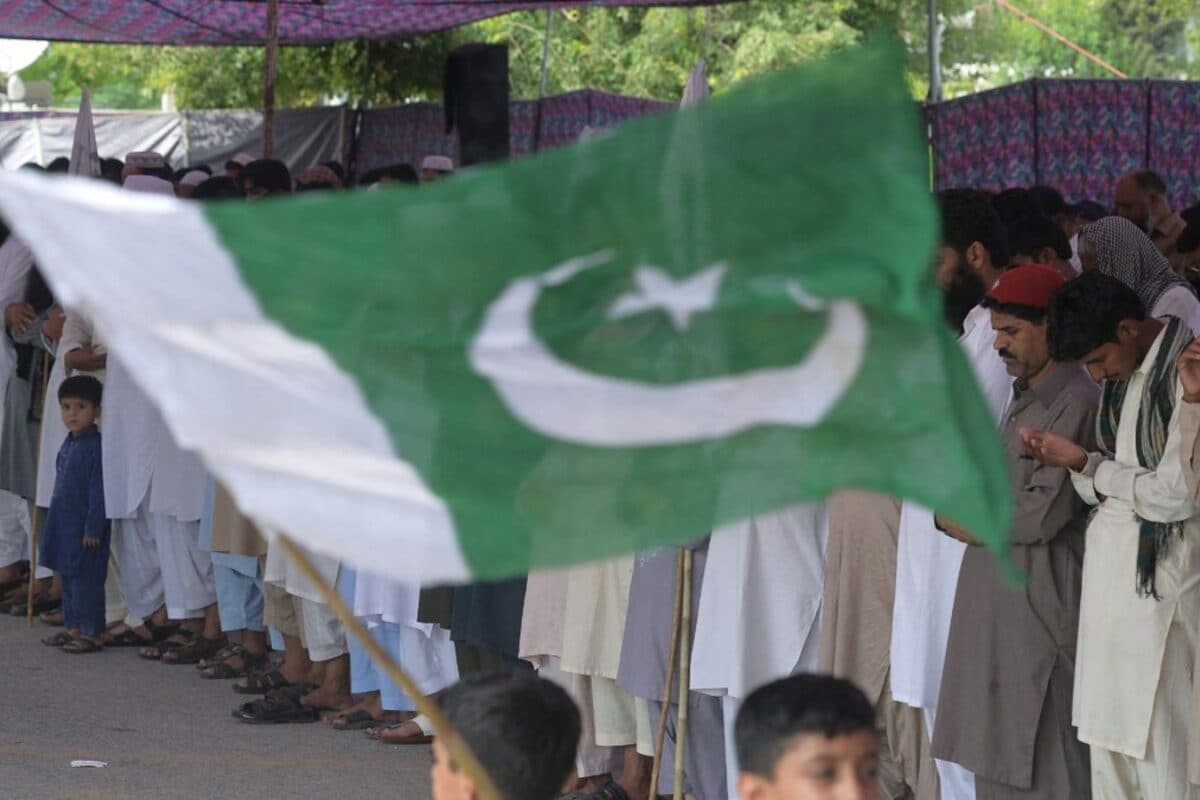
The 'Azad' Myth: How Islamabad Created The Illusion Of Autonomy In Pakistan-Occupied Kashmir Written By Last Updated: June 11, 2026, 15:06 IST If Pakistan formally absorbs PoK as one of its provinces, it risks undermining its long-standing claim that Kashmir is a disputed territory awaiting a final settlement Rapid Read Under provisions of the constitutional framework, Pakistan can dismiss elected governments in PoK. (AFP) The violent protests in Pakistan-occupied Kashmir (PoK) have given rise to a crucial question—if Pakistan controls the territory, why does it have its own prime minister, President, Assembly, Constitution and even a separate flag? Recent unrest has also revived the debate over whether these institutions represent genuine autonomy or merely a political arrangement designed to support Pakistan’s position on Kashmir. From India’s perspective, the answer lies in the history of Pakistan’s occupation of a part of the erstwhile princely state of Jammu and Kashmir after the 1947-48 war. New Delhi maintains that the entire region legally acceded to India in 1947 and that Pakistan continues to occupy parts of it illegally. Why Doesn’t Pakistan Simply Make PoK A Province?
One reason is diplomatic. ALSO READ | PoK On The Boil: Why Deadly Protests Have Triggered An India-Pakistan War Of Words If Pakistan formally absorbs PoK as one of its provinces, it risks undermining its long-standing claim that Kashmir is a disputed territory awaiting a final settlement. Instead, Islamabad has historically projected PoK as a supposedly self-governing entity called “Azad Jammu and Kashmir" while retaining significant control over its affairs. This arrangement allows Pakistan to argue internationally that the region enjoys a degree of self-rule rather than being directly administered from Islamabad. Why Does PoK Have Its Own Prime Minister And President? PoK operates under the 1974 Interim Constitution Act, which created institutions resembling those of a sovereign entity: a Prime Minister, President, Legislative Assembly and judiciary. However, critics and rights groups have long argued that these institutions function within limits defined by Pakistan. Human Rights Watch noted that despite having structures associated with self-government, Islamabad retains extensive powers over the territory. Under provisions of the constitutional framework, Pakistan can dismiss elected governments in PoK. India has frequently cited such provisions as evidence that PoK’s autonomy exists largely on paper.
The Kashmir Council For decades, one of the most powerful institutions governing PoK was the Kashmir Council, headed by Pakistan’s prime minister. The council exercised significant authority over legislation, administration and finances, reinforcing Islamabad’s influence over the territory despite the presence of local political institutions. Analysts have often pointed to this arrangement as evidence that ultimate authority rested in Pakistan rather than Muzaffarabad. Can PoK Leaders Advocate Independence? This is where critics say the “Azad" narrative runs into contradiction. ALSO READ | ‘Crush Protests, Eliminate Leaders’: Munir Fires ‘All Possible Action’ Diktat As PoK Unrest Rages On | Exclusive Political parties and candidates in PoK are required to support the territory’s eventual accession to Pakistan. Constitutional provisions restrict political activity deemed contrary to that objective. Critics argue that this effectively rules out genuine debate on independence or alternative political futures. Indian commentators have long argued that if self-determination were truly the goal, all political viewpoints would be permitted rather than only those aligned with accession to Pakistan. India’s Position India’s official position remains unchanged: Pakistan-occupied Kashmir is an integral part of India under illegal occupation by Pakistan.
Successive Indian governments have argued that the institutions created in PoK, including its prime minister, President, flag and constitution, do not alter the territory’s legal status. Instead, New Delhi views them as mechanisms that help Pakistan sustain its narrative on Kashmir while retaining effective control over the region. News18 Newsletter Handpicked stories, in your inbox A newsletter with the best of our journalism submit About the Author News Desk The News Desk is a team of passionate editors and writers who break and analyse the most important events unfolding in India and abroad. From live updates to exclusive reports to in-depth explainers,... Read More Location: Islamabad, Pakistan First Published: June 11, 2026, 15:01 IST News explainers The 'Azad' Myth: How Islamabad Created The Illusion Of Autonomy In Pakistan-Occupied Kashmir Disclaimer: Comments reflect users’ views, not News18’s. Please keep discussions respectful and constructive. Abusive, defamatory, or illegal comments will be removed. News18 may disable any comment at its discretion. By posting, you agree to our Terms of Use and Privacy Policy Loading comments...
 The BriefWire