Uttar Pradesh Sets New Record, Meets Peak Power Demand Of 31,824 MW In May
Uttar Pradesh Sets New Record, Meets Peak Power Demand Of 31,824 MW In May Published By, Last Updated: June 11, 2026, 10:09 IST Uttar Pradesh
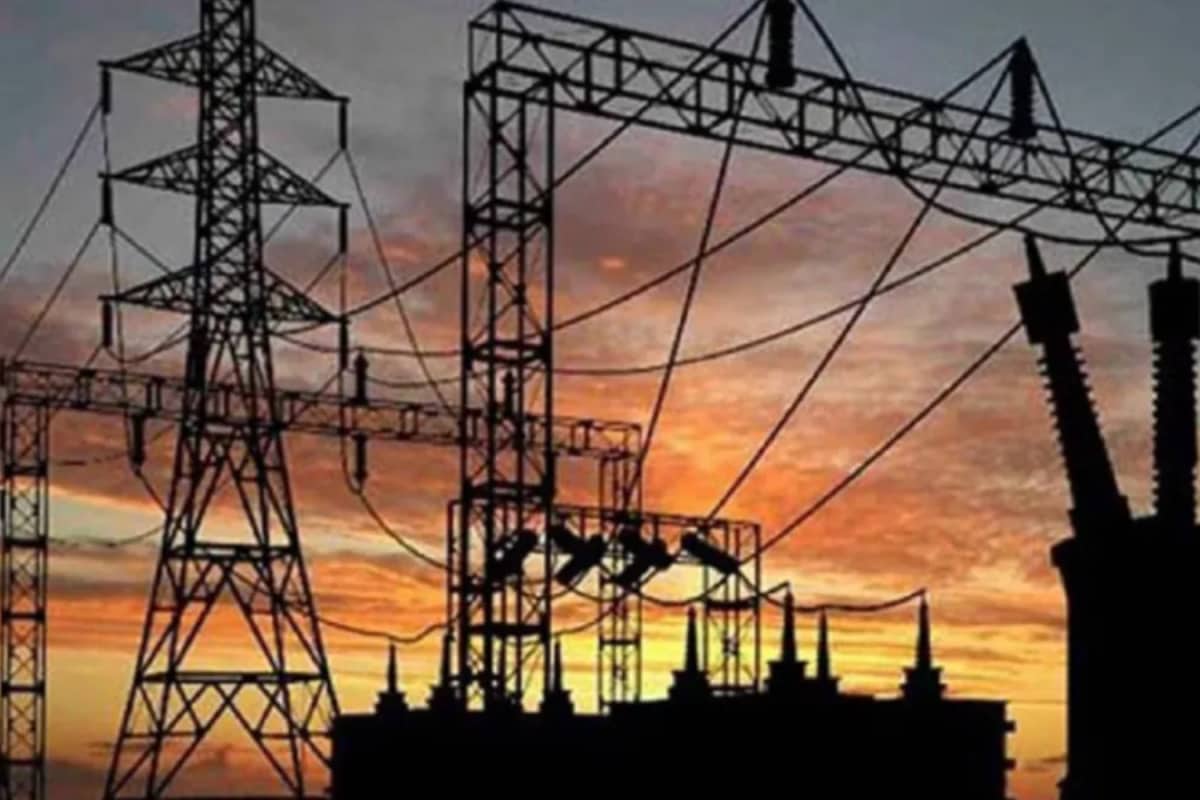
Uttar Pradesh Sets New Record, Meets Peak Power Demand Of 31,824 MW In May Published By, Last Updated: June 11, 2026, 10:09 IST Uttar Pradesh under Chief Minister Yogi Adityanath has doubled power capacity since 2014 and now meets record demand, delivering near 24 hour supply in cities. In May 2026, Uttar Pradesh achieved a new milestone by meeting a record demand of 31,824 MW. (Representative image) Uttar Pradesh, once associated with power shortages, frequent outages, and inadequate electricity infrastructure, has witnessed significant changes in its power generation and supply system under the leadership of Chief Minister Yogi Adityanath. The state’s power sector faced major challenges between 2014 and 2017. Despite electricity tariffs increasing by up to 60% during that period, power supply did not keep pace with demand, resulting in prolonged outages across both rural and urban areas. Today, however, urban areas receive a 24-hour electricity supply, while rural areas receive between 22 and 22.5 hours of power daily. Following the formation of the double-engine government in 2017, comprehensive reforms were initiated in the power sector. Under Chief Minister Yogi Adityanath’s leadership, sustained efforts were made to enhance generation capacity, strengthen the transmission network, improve the distribution system, and ensure an uninterrupted electricity supply to consumers. As a result, Uttar Pradesh is now setting new benchmarks in power supply. According to official data, the state supplied a maximum of 13,003 MW of electricity in 2014-15.
This increased to 14,503 MW in 2015-16 and 16,110 MW in 2016-17. During that period, supply remained significantly lower than growing demand, causing considerable hardship for consumers. However, the reforms introduced after 2017 began yielding visible results. Today, Uttar Pradesh ranks among the leading states in the country in terms of power supply. In 2024-25, Uttar Pradesh met a record electricity demand of 30,618 MW. This figure rose to 31,486 MW in 2025-26. In May 2026, the state achieved a new milestone by successfully meeting a record demand of 31,824 MW, the highest electricity supply ever recorded in Uttar Pradesh’s history. Despite intense summer conditions, with temperatures exceeding 40 degrees Celsius in most districts and electricity demand rising sharply, the government has succeeded in ensuring an uninterrupted power supply to consumers. Under the electricity supply schedule fixed by the Yogi government, district headquarters are entitled to 24 hours of supply, tehsil headquarters 21.5 hours, and rural areas 18 hours. However, in view of the increased demand and extreme heat, the government is currently supplying electricity beyond the prescribed roster. At present, district headquarters, metropolitan cities, and tehsil areas are receiving nearly 24 hours of uninterrupted electricity. Rural areas are receiving between 22 and 22.5 hours of continuous power supply. This reflects the significant transformation in the state’s power sector. Compared to the period between 2014 and 2017, district headquarters then received an average of 17 hours of electricity, tehsil headquarters around 12 hours, and rural areas only 11 hours.
Frequent outages and inadequate supply adversely affected the general public, farmers, traders, and industries alike. Today, the situation has changed dramatically, with most parts of the state receiving electricity without interruptions. Uttar Pradesh has also made remarkable progress in power generation. As of March 31, 2014, the state’s generation capacity stood at 4,839 MW. In 2017, maximum thermal power generation was recorded at 5,160 MW. During the Yogi government’s tenure, continuous efforts were made to expand generation capacity, leading to steady growth. By March 31, 2019, generation capacity had increased to 5,474 MW. By 2022, it had reached 6,134 MW. The state’s generation capacity rose to 7,140 MW in 2024 and further increased to 7,800 MW in 2025. By March 31, 2026, Uttar Pradesh’s total generation capacity had reached 9,120 MW, nearly double the level recorded in 2014. The government is continuing work on several projects aimed at further expanding generation capacity. As a result, the benefits of these reforms in the energy sector are being felt equally by ordinary citizens, farmers, traders, and industries. Uttar Pradesh has successfully emerged from its power crisis and is establishing a new identity in energy management. Speaking on the efficient power supply in the state, UPPCL Director (Distribution) Gyanendra Dhar Dwivedi said, “Continuous efforts have been made to strengthen power generation, transmission, and distribution systems. As a result, uninterrupted electricity supply is being ensured across all regions of the state despite extreme heat and steadily rising demand." “District headquarters, metropolitan cities, and tehsil areas are currently receiving nearly 24 hours of electricity, while rural areas are receiving between 22 and 22.5 hours of supply daily.
Continuous efforts will be made in the future to provide better services to consumers and further strengthen the state’s power infrastructure," he added. News18 Newsletter Handpicked stories, in your inbox A newsletter with the best of our journalism submit About the Author News Desk The News Desk is a team of passionate editors and writers who break and analyse the most important events unfolding in India and abroad. From live updates to exclusive reports to in-depth explainers,... Read More First Published: June 11, 2026, 10:09 IST News india Uttar Pradesh Sets New Record, Meets Peak Power Demand Of 31,824 MW In May Disclaimer: Comments reflect users’ views, not News18’s. Please keep discussions respectful and constructive. Abusive, defamatory, or illegal comments will be removed. News18 may disable any comment at its discretion. By posting, you agree to our Terms of Use and Privacy Policy Loading comments...
 The BriefWire