The Death Of The Cover Letter: Why Recruiters No Longer Trust It, And What Works Now
The Death Of The Cover Letter: Why Recruiters No Longer Trust It, And What Works Now Written By, Last Updated: June 10, 2026, 09:47 IST
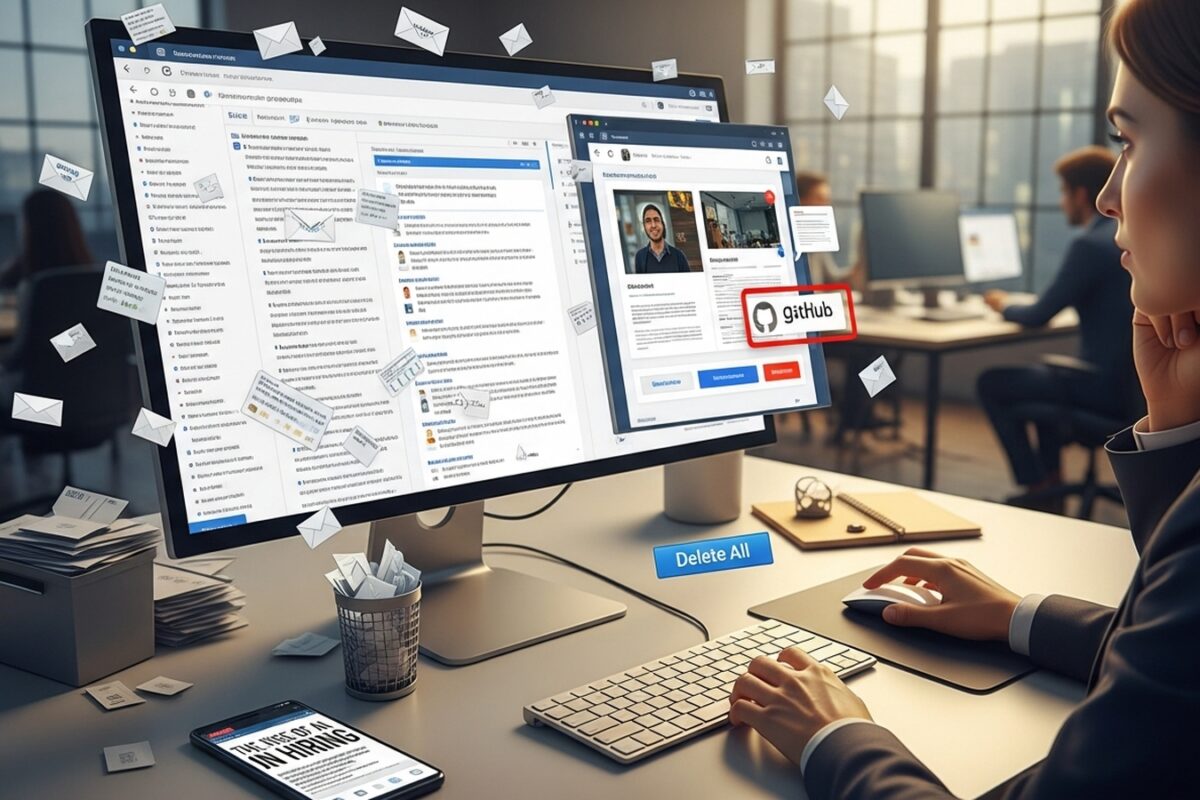
The Death Of The Cover Letter: Why Recruiters No Longer Trust It, And What Works Now Written By, Last Updated: June 10, 2026, 09:47 IST As AI tools make it easier to generate polished cover letters, employers are increasingly focusing on skills, portfolios, referrals, case studies and proof of work instead Rapid Read AI-generated cover letters initially improved application quality and increased candidates’ chances of securing interviews. However, once AI tools became widely available, the value of cover letters as a hiring signal declined sharply. When a person applies for a job, they usually build a strong résumé, write a compelling cover letter and tailor it to the role. The idea was that the application could help a candidate stand out from hundreds of competitors. But recruiters increasingly believe that playbook may no longer work. The rise of generative artificial intelligence (Gen AI) has fundamentally changed how people apply for jobs and, increasingly, how companies hire. Candidates now use ChatGPT, Gemini and Claude to generate polished cover letters, customised résumés and even interview responses within seconds. While this initially helped candidates submit stronger applications, employers are increasingly placing less value on cover letters and more emphasis on what candidates can actually demonstrate — portfolios, skill assessments, referrals, GitHub profiles, work samples and live problem-solving exercises. Why The Cover Letter Is Losing Relevance The cover letter was once considered a useful hiring signal. It allowed employers to assess communication skills, motivation and cultural fit. Candidates who invested time in researching a company and writing a thoughtful application could distinguish themselves from hundreds of competitors. Generative AI has changed that. According to research cited by Knowledge at Wharton, AI-generated cover letters initially improved application quality and increased candidates’ chances of securing interviews. However, once AI tools became widely available, the value of cover letters as a hiring signal declined sharply.
The reason is when nearly every candidate can generate a polished, professional-looking cover letter within minutes, employers can no longer use it to distinguish exceptional candidates from average ones. According to Business Insider, firms including Google, Amazon, Cisco and McKinsey have moved away from treating cover letters as a central part of the hiring process. Tech giants rely heavily on a “Tell me vs. Show me" philosophy. Candidates are vetted through concrete metrics: targeted resume keywords, targeted technical online assessments, case studies, and structured behavioural interviews How AI Changed The Recruitment Game The AI revolution has made applying for jobs easier than ever. A candidate can now use AI tools to rewrite a résumé for a specific role, generate a customised cover letter, optimise keywords for applicant-tracking systems and even prepare interview answers. What previously took several hours can now be completed in minutes. For recruiters, however, this has created an avalanche of applications. Hiring managers increasingly report receiving hundreds, and sometimes thousands, of applications for a single opening. Many of these applications are polished, professionally written and highly customised. Yet recruiters often discover during interviews that the candidate’s actual skills do not match the sophistication of the application. LinkedIn CEO Ryan Roslansky recently gave cover letters a “D" grade, arguing that employers increasingly want candidates to “show their work" rather than describe themselves. Recruiters are no longer asking, “Can this person write a convincing application?" They are increasingly asking, “Can this person actually do the job?" What Employers Are Looking At Instead As traditional application documents lose credibility, employers are searching for alternative ways to evaluate talent. In technology, recruiters increasingly examine GitHub repositories, coding portfolios and real-world projects. A candidate who has built an application, contributed to open-source software or developed a working product often has a stronger advantage than someone with a perfectly written cover letter.
Consulting firms and corporate employers are placing greater emphasis on case studies, simulations and problem-solving exercises. Many companies now conduct behavioural assessments and practical tests early in the hiring process to evaluate skills directly. Referrals are also becoming more valuable. Recommendations from trusted employees provide a signal that is far harder to generate artificially than a cover letter. Video portfolios are emerging in some industries as well. Candidates increasingly use personal websites, LinkedIn content, project showcases and recorded presentations to demonstrate expertise and communication skills. The hiring process is gradually shifting from self-description to proof of work. What Should Indian Graduates Focus On? According to government estimates, India has more than 1.5 million engineering graduates entering the workforce annually, in addition to thousands of MBA graduates, data analysts, software developers and finance professionals. Thus, adding a stiff competition for entry-level jobs each year. Technology companies have slowed hiring compared with the post-pandemic boom years, while consulting firms, start-ups and financial institutions continue to receive overwhelming numbers of applications for graduate roles. Many Indian students have embraced AI tools to improve résumés and cover letters. However, if recruiters increasingly ignore those documents, graduates may need to rethink how they present themselves. Engineering students may need stronger project portfolios. MBA candidates may have to demonstrate practical business experience through internships and case competitions. Freshers entering IT and consulting may find that technical assessments and live interviews matter more than written applications. The traditional strategy of submitting hundreds of applications may become less effective if recruiters rely increasingly on demonstrated skills rather than written documents. The New Hiring Divide The emerging divide in the labour market may not be between people who use AI and people who do not. Instead, it could be between those who can demonstrate skills and those who can only describe them.
AI can help a candidate write a convincing cover letter. It cannot easily fake a strong portfolio, a successful project, a coding repository or a candidate’s ability to solve problems in a live interview. This shift could create challenges for students from tier-2 and tier-3 colleges who may have fewer networking opportunities and industry connections. If referrals become more important, access to professional networks could become an even bigger factor in hiring outcomes. At the same time, digital platforms may create new opportunities. Candidates can now showcase projects online, build public portfolios and demonstrate expertise to employers across the world without relying solely on formal credentials. Thus, the age of “apply and wait" may be fading. The age of “show me what you’ve done" may already have begun. News18 Newsletter Handpicked stories, in your inbox A newsletter with the best of our journalism submit About the Author Shilpy Bisht Shilpy Bisht is a News Editor at News18, where she leads the English app operations. She writes on world affairs, health, AI, career, business, and issues affecting women and children. A former print... Read More First Published: June 10, 2026, 09:47 IST News india The Death Of The Cover Letter: Why Recruiters No Longer Trust It, And What Works Now Disclaimer: Comments reflect users’ views, not News18’s. Please keep discussions respectful and constructive. Abusive, defamatory, or illegal comments will be removed. News18 may disable any comment at its discretion. By posting, you agree to our Terms of Use and Privacy Policy Loading comments...
 The BriefWire