India Deploys 12 Nuclear Warheads For The First Time Amid Geopolitical Tensions: Report
India Deploys 12 Nuclear Warheads For The First Time Amid Geopolitical Tensions: Report Published By, Edited By Last Updated: June 10, 2026, 08:40 IST According
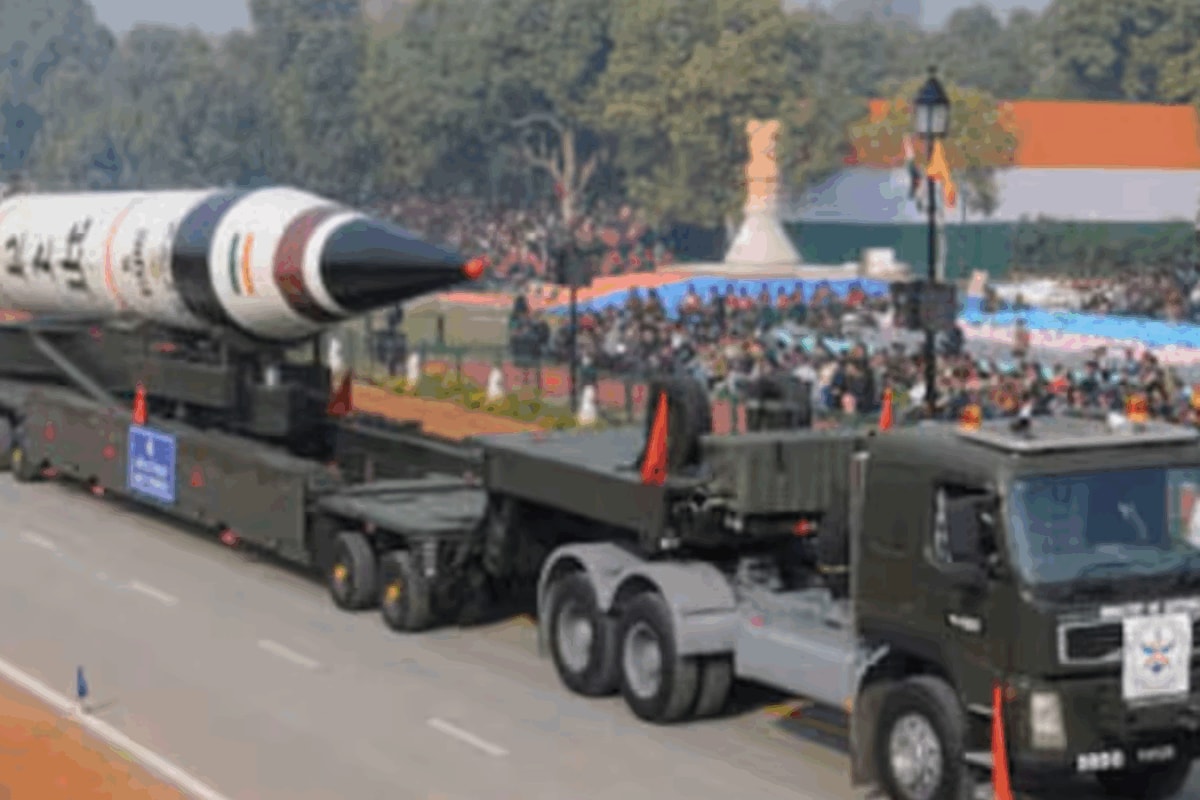
India Deploys 12 Nuclear Warheads For The First Time Amid Geopolitical Tensions: Report Published By, Edited By Last Updated: June 10, 2026, 08:40 IST According to SIPRI, India possessed an estimated 190 nuclear warheads as of January 2026, up from 180 the previous year. Rapid Read India's nuclear strategy has traditionally rested on two pillars: a "No First Use" policy and "credible minimum deterrence". (Image: PTI) India may have operationally deployed nuclear warheads for the first time, according to the Stockholm International Peace Research Institute’s (SIPRI) Yearbook 2026, a development that could mark a significant evolution in the country’s nuclear posture amid growing regional security challenges. The assessment comes at a time when SIPRI has warned of rising global nuclear risks, saying the world is moving into a “new nuclear arms race" driven by geopolitical tensions, military modernisation and the erosion of arms-control mechanisms. According to SIPRI, India possessed an estimated 190 nuclear warheads as of January 2026, up from 180 the previous year.
More significantly, the report suggests that around 12 of these warheads may now have been deployed with operational forces, a departure from India’s long-held practice of storing warheads separately from delivery systems during peacetime. While the report does not indicate any change in India’s official nuclear doctrine, the development points to a higher state of readiness within the country’s strategic forces. Why Is This Significant? India’s nuclear strategy has traditionally rested on two pillars: a “No First Use" policy and “credible minimum deterrence". Under this framework, nuclear weapons are maintained primarily to deter adversaries rather than for battlefield use. For decades, experts believed India kept its nuclear warheads de-mated from missiles and aircraft, allowing political leadership greater control over any decision to employ them. The reported deployment of a small number of warheads suggests that India may be moving towards a more responsive deterrent posture, particularly as it strengthens its sea-based nuclear capability.
China’s Rise, Pakistan Factor SIPRI says India’s nuclear modernisation is increasingly influenced by China’s expanding military capabilities. Beijing is currently building up its nuclear arsenal at a faster pace than any other country, prompting concerns across the Indo-Pacific. India’s newer missile systems are believed to be designed with the ability to reach targets deep inside China, reflecting a strategic shift beyond the traditional India-Pakistan nuclear equation. At the same time, tensions with Pakistan continue to shape India’s deterrence calculations. Both countries have continued to develop new missile systems and delivery platforms over the past decade. The Global Picture The SIPRI report states that the nine nuclear-armed states together possess an estimated 12,187 nuclear warheads, with nearly all of them engaged in extensive modernisation programmes. The institute warns that countries are placing greater emphasis on nuclear weapons in their security planning even as arms-control agreements weaken and geopolitical rivalries intensify.
Against this backdrop, India’s reported deployment of nuclear warheads, though limited in scale, is being seen by analysts as part of a broader global trend towards greater nuclear readiness and deterrence in an increasingly uncertain security environment. News18 Newsletter Handpicked stories, in your inbox A newsletter with the best of our journalism submit First Published: June 10, 2026, 08:40 IST News india India Deploys 12 Nuclear Warheads For The First Time Amid Geopolitical Tensions: Report Disclaimer: Comments reflect users’ views, not News18’s. Please keep discussions respectful and constructive. Abusive, defamatory, or illegal comments will be removed. News18 may disable any comment at its discretion. By posting, you agree to our Terms of Use and Privacy Policy Loading comments...
 The BriefWire