Fear of recurrence: How immune memory helps cancer survivors face their worst nightmare
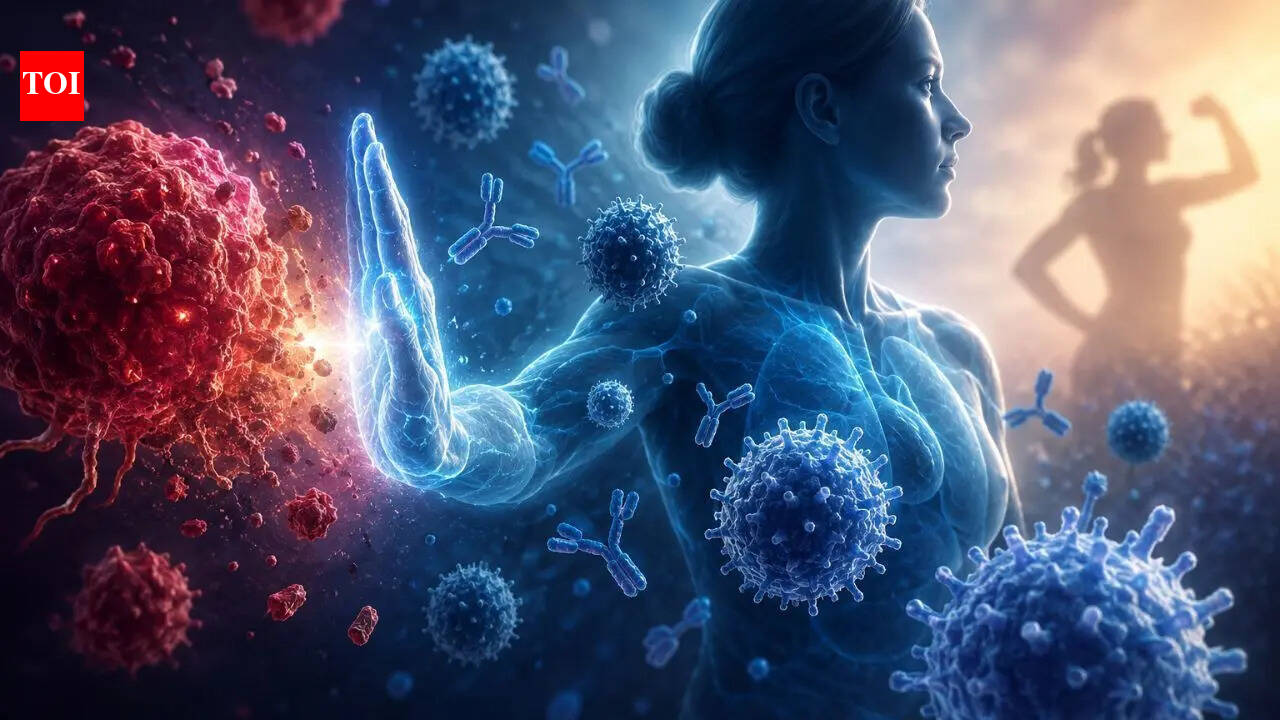
How immune memory helps cancer survivors face their worst nightmare (AI Representational image) What causes cancer to return? Can immune cells remember cancer? How immunotherapy
How immune memory helps cancer survivors face their worst nightmare (AI Representational image) What causes cancer to return? Can immune cells remember cancer? How immunotherapy is changing cancer care Living beyond the fear of recurrence Which cancers show stronger immune memory? Can lifestyle support long-term protection? A new era of cancer survivorship Every year the world observes Cancer Survivors Month in June, celebrating the growing number of people who have successfully completed cancer treatment and are building lives beyond their diagnosis.For many survivors, however, the end of treatment does not always bring complete peace of mind. Even years later, routine scans, follow-up appointments or unexplained aches can revive a lingering question: What if the cancer comes back? The possibility of recurrence remains one of the most emotional and challenging aspects of survivorship.Yet amid those fears, science is offering new reasons for hope. Researchers now understand that the immune system does far more than protect the body from infections. In some cases, it can recognise cancer cells, remember them and remain on guard long after treatment has ended. This growing field of research is helping experts answer a question that has long fascinated cancer survivors: Can the body remember cancer and fight it again?In India, the rising burden of cancer is also reflected in national data shared by the Union Health Ministry in Parliament.According to estimates from the Indian Council of Medical Research's Cancer Registry Programme (ICMR-NCRP), the number of cancer cases in India increased from 14.26 lakh in 2021 to nearly 15.7 lakh in 2025, an increase of more than 1.44 lakh cases over five years.Cancer-related deaths also rose from 7.89 lakh to 8.68 lakh during the same period.As people are being treated, understanding how the immune system may help prevent recurrence has become an increasingly important area of research.While many cancer survivors remain disease-free for years, recurrence remains a reality for some patients.
Cancer can return when small numbers of cancer cells survive treatment and remain dormant or undetected before becoming active again.According to Dr Tarang Krishna, Managing Director, Cancer Healer Center, cancer recurrence depends on several factors, including the type and stage of cancer, treatment response, genetic characteristics of the tumour and the body's immune function.Adding to this, Dr Tejinder Kataria, Chairperson - Radiation Oncology, Medanta Hospital, Gurugram, explains, "For some survivors, treatment successfully destroys all cancer cells, while the immune system continues to patrol for and eliminate any abnormal cells that remain. In others, a small number of cancer cells may survive treatment, remain dormant for years, and later become active again."This ongoing battle between surviving cancer cells and the body's natural defences is one reason researchers are increasingly interested in understanding the role of immune memory in cancer survivorship.The human immune system does more than fight infections, it can also recognise and respond to cancer cells."The immune system can develop a form of memory against cancer. Certain immune cells, particularly memory T-cells, may continue to recognize cancer-related markers long after treatment is completed," says Dr Krishna.This immune surveillance can help identify and destroy abnormal cells if they reappear. However, the strength and duration of this memory vary among individuals and cancer types."This concept of immune memory has become one of the most promising areas of cancer research, raising hopes that the body may be able to provide an additional layer of protection against recurrence.Researchers are also developing therapeutic cancer vaccines designed to train the immune system to recognise tumour-specific markers.Unlike preventive vaccines, these vaccines are intended to help the body identify and attack existing cancer cells while strengthening long-term immune surveillance.The growing understanding of immune memory has helped drive one of the biggest advances in modern cancer treatment: immunotherapy.
Unlike conventional treatments that directly target tumours, immunotherapy works by helping the body's own immune system identify and attack cancer cells more effectively.Dr Prijesh Janardanan, Consultant – Medical Oncology, SPARSH Hospital, explains, "Immunotherapy works by helping the immune system recognize and attack cancer more effectively. Treatments such as immune checkpoint inhibitors, CAR-T cell therapy, and cancer vaccines can activate T-cells and encourage the formation of long-lasting immune memory."Echoing this view, Dr Mandeep Singh Malhotra, Director – Surgical Oncology, CK Birla Hospital, Delhi, says, "Once the immune system recognizes and successfully destroys cancer cells, it retains information about the cancer's unique antigens. These memory cells can remain in the body for years and respond more rapidly if the same cancer returns."Dr. Mandeep Singh Malhotra, said that several Triple-Negative Breast Cancer (TNBC) patients have achieved remarkable responses following neoadjuvant immunotherapy combined with chemotherapy, with some showing complete eradication of cancer before surgery at CK Birla.As noted by Deepak Jha, Chief – Breast Surgery & Senior Consultant, Surgical Oncology at Artemis Hospital, Gurugram, immunotherapy is now offered at numerous cancer centers, tertiary care hospitals, and academic medical institutions nationwide. With increasing awareness, enhanced healthcare infrastructure, and the introduction of innovative therapies, immunotherapy is becoming an increasingly important component of modern cancer care in India.While researchers are still uncovering the full potential of immune memory, evidence is strongest in certain cancers that respond particularly well to immunotherapy."Immune memory has been studied extensively in cancers such as melanoma, certain lung cancers, and some blood cancers," says Dr Janardanan."These cancers often respond well to immunotherapies that activate long-term immune responses."He adds that researchers have observed some patients maintaining immune surveillance for years after treatment, offering valuable insights into how immune memory develops and how it may be harnessed to improve long-term outcomes.Dr Malhotra notes that similar benefits have also been observed in Hodgkin's lymphoma and certain lung, kidney and colorectal cancers, highlighting the expanding role of immunotherapy across multiple cancer types.Experts say lifestyle choices can support immune health and overall well-being during survivorship."Regular physical activity, balanced nutrition, adequate sleep, stress management, avoiding tobacco, limiting alcohol, and maintaining a healthy weight can help reduce inflammation and support immune surveillance," says Dr Krishna.
"Similarly, Dr Deepak Jha says, "Lifestyle changes won't necessarily prevent cancer, but they can help with long-term health and recovery."Experts stress that healthy habits should not replace regular medical follow-up, screenings and ongoing consultation with healthcare providers.As cancer treatment continues to evolve, scientists are gaining a deeper understanding of how the immune system interacts with cancer over the long term. Advances in immunotherapy, cancer vaccines and immune-memory research are opening new possibilities for reducing recurrence and improving survivorship outcomes.For millions of cancer survivors worldwide, these developments offer hope that the body's natural defence system can play an increasingly important role in keeping cancer at bay long after treatment has ended.During Cancer Survivors Month, this growing field of research highlights not only how far cancer care has come, but also the promise of more durable, personalised and long-lasting approaches to fighting cancer in the years ahead.
 The BriefWire