The Long Shadow Of Kargil: Why The Zojila Tunnel Matters Nearly Three Decades Later
The Long Shadow Of Kargil: Why The Zojila Tunnel Matters Nearly Three Decades Later Published By, Last Updated: June 09, 2026, 13:54 IST The tunnel
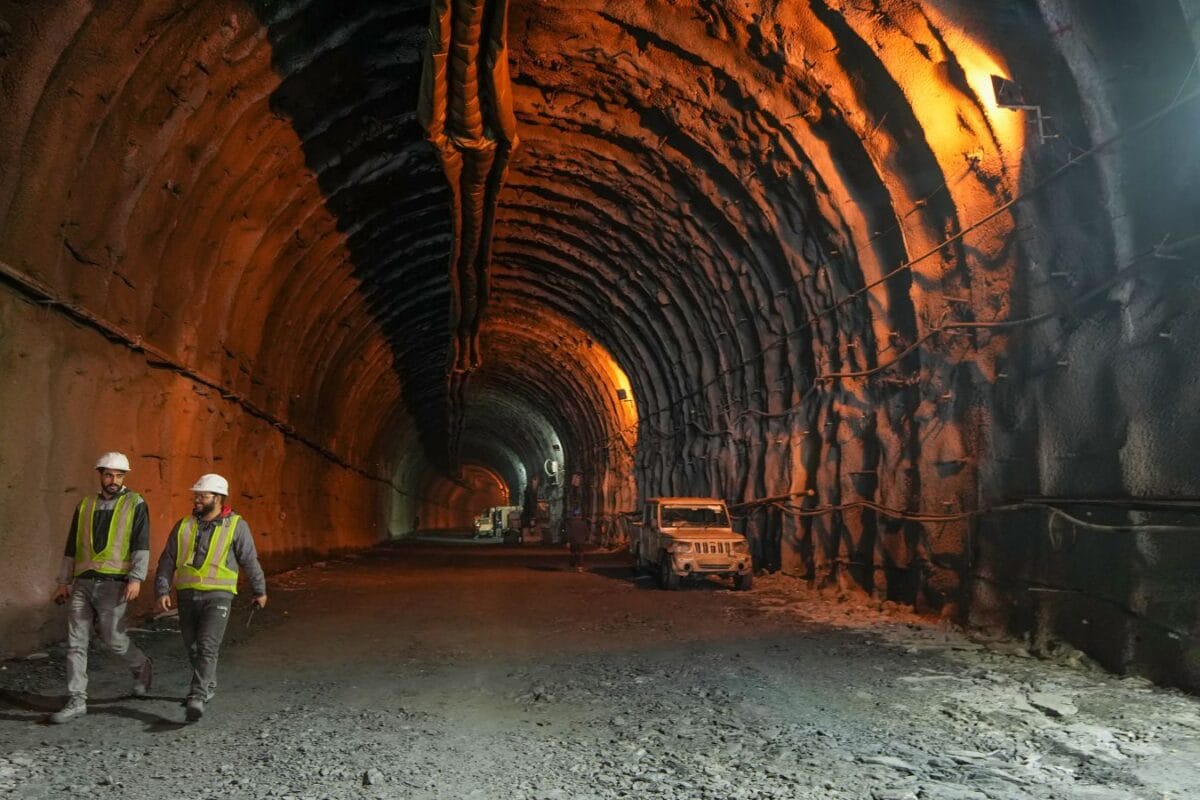
The Long Shadow Of Kargil: Why The Zojila Tunnel Matters Nearly Three Decades Later Published By, Last Updated: June 09, 2026, 13:54 IST The tunnel will not change geography, but it will change how much geography can dictate military logistics Rapid Read The Zojila Tunnel is being constructed at an altitude of around 11,500 feet and stretches more than 13 km between Baltal near Sonamarg and Minamarg in the Drass-Kargil sector. (X) When the final rock barrier inside the Zojila Tunnel was broken on Tuesday, it marked more than an engineering milestone. For India’s military planners, it represented the closing of a strategic vulnerability that Pakistan sought to exploit during the 1999 Kargil War. The 13-km tunnel beneath the snowbound Zojila Pass will eventually provide year-round connectivity between Kashmir and Ladakh, ensuring that one of India’s most critical military supply routes can no longer be disrupted by weather or by an adversary seeking to choke access to the region. On Pakistan’s Target The Srinagar-Kargil-Leh highway has long been the lifeline connecting Ladakh with the rest of India. The Times of India reported how during the Kargil conflict, Pakistani intruders occupied heights overlooking sections of this route in an attempt to sever India’s logistics chain and complicate troop movements towards Kargil and Ladakh. The battle then was not only about mountain peaks but also about controlling the roads that sustained forces deployed in the region.
ALSO READ | Zojila Tunnel Breakthrough: Inside Peak Moment Of India’s Most Challenging Himalayan Infrastructure Project The report adds that military planners have since viewed uninterrupted access through Zojila as essential for maintaining deployments in Kargil, Siachen and eastern Ladakh. The tunnel directly addresses that concern by bypassing the vulnerable mountain pass that historically acted as a bottleneck. Why Zojila Has Always Mattered Zojila is the gateway between the Kashmir Valley and Ladakh. For decades, heavy snowfall shut the pass for months every winter, periodically isolating Ladakh from the rest of the country. Even with improved snow-clearing efforts, access remained dependent on weather conditions. The new tunnel changes that equation. Once operational, it will allow all-weather movement across a route that has traditionally remained vulnerable to snowstorms, avalanches and landslides. Travel time across the Zojila stretch is expected to fall from roughly 90 minutes to about 15 minutes. Addressing the media, Union minister Nitin Gadkari said: “We made Zojila Tunnel in Rs 7,000 crore against an estimated budget of Rs 12, 000 crore. We saved Rs 5,000 crore. When I was BJP president many years ago, I thought this tunnel must be made as the road was shut for six months in a year. When I became Union highways minister later in 2014, we decided to go ahead with the Zojila project under the vision of PM Modi." ALSO READ | Beyond Zojila, Centre Starts Work on Fotu La Tunnel For All-Weather Corridor Plan For Ladakh | Exclusive From Pakistan To China While Kargil provides the most obvious historical context, the tunnel’s significance has expanded since the military standoff with China in eastern Ladakh began in 2020.
The Srinagar-Leh axis serves as a major logistics corridor for troops deployed across Ladakh. Faster and uninterrupted connectivity means quicker movement of personnel, equipment, ammunition and supplies to forward areas. The government’s broader push to build border roads, tunnels and bridges accelerated after the Galwan Valley clash highlighted the importance of reliable infrastructure in high-altitude regions. As a result, the tunnel is increasingly viewed as a dual-front infrastructure asset: strengthening India’s ability to respond both to Pakistan along the Line of Control and to China along the Line of Actual Control. An Engineering Feat The Zojila Tunnel is being constructed at an altitude of around 11,500 feet and stretches more than 13 km between Baltal near Sonamarg and Minamarg in the Drass-Kargil sector. Upon completion, it is expected to be among the world’s longest high-altitude bi-directional road tunnels. The breakthrough achieved this week means excavation from both ends has successfully met, a crucial stage before finishing work, safety systems and operational testing. The tunnel is expected to become fully operational later in the decade. Looking Ahead For decades, India’s access to Ladakh depended on a mountain pass that nature could close and an adversary could threaten. During Kargil, Pakistan tried to exploit that vulnerability. Twenty-seven years later, India is attempting to engineer it out of existence. ALSO READ | At 100, Lt Col Sharak Dev Honoured By Indian Army: All About The Zojila Pass Recapture Hero The tunnel will not change geography, but it will change how much geography can dictate military logistics.
In a region where roads often matter as much as weapons, that may be its most important contribution. News18 Newsletter Handpicked stories, in your inbox A newsletter with the best of our journalism submit About the Author Apoorva Misra Apoorva Misra is News Editor at News18.com with over nine years of experience. She is a graduate from Delhi University's Lady Shri Ram College and holds a PG Diploma from Asian College of Journalism,... Read More Location: Jammu and Kashmir, India, India First Published: June 09, 2026, 13:54 IST News explainers The Long Shadow Of Kargil: Why The Zojila Tunnel Matters Nearly Three Decades Later Disclaimer: Comments reflect users’ views, not News18’s. Please keep discussions respectful and constructive. Abusive, defamatory, or illegal comments will be removed. News18 may disable any comment at its discretion. By posting, you agree to our Terms of Use and Privacy Policy Loading comments...
 The BriefWire