12 Killed By Pakistani Forces In PoK Protests, Questions Mount Over Asim Munir's Response To Dissent
12 Killed By Pakistani Forces In PoK Protests, Questions Mount Over Asim Munir's Response To Dissent Reported By, Last Updated: June 09, 2026, 13:51 IST
12 Killed By Pakistani Forces In PoK Protests, Questions Mount Over Asim Munir's Response To Dissent Reported By, Last Updated: June 09, 2026, 13:51 IST Authorities have defended the crackdown, stating that security forces arrested around 90 individuals in Mirpur Division and recovered weapons during operations against protesters. Rapid Read JAAC leaders have also accused authorities of taking custody of the bodies of deceased protesters, although these claims have not been independently verified. At least 12 people were killed after Pakistani security forces opened fire on protesters linked to the Joint Awami Action Committee (JAAC) in Pakistan-occupied Kashmir (PoK), according to local reports and activist groups. The latest violence has intensified tensions in the region and triggered fresh allegations of excessive force by the Pakistani military. The unrest follows the PoK government’s decision to ban the JAAC, a grassroots platform that has emerged in recent years as a prominent voice against rising inflation, electricity tariffs, taxation policies and what supporters describe as long-standing political marginalisation of the region.
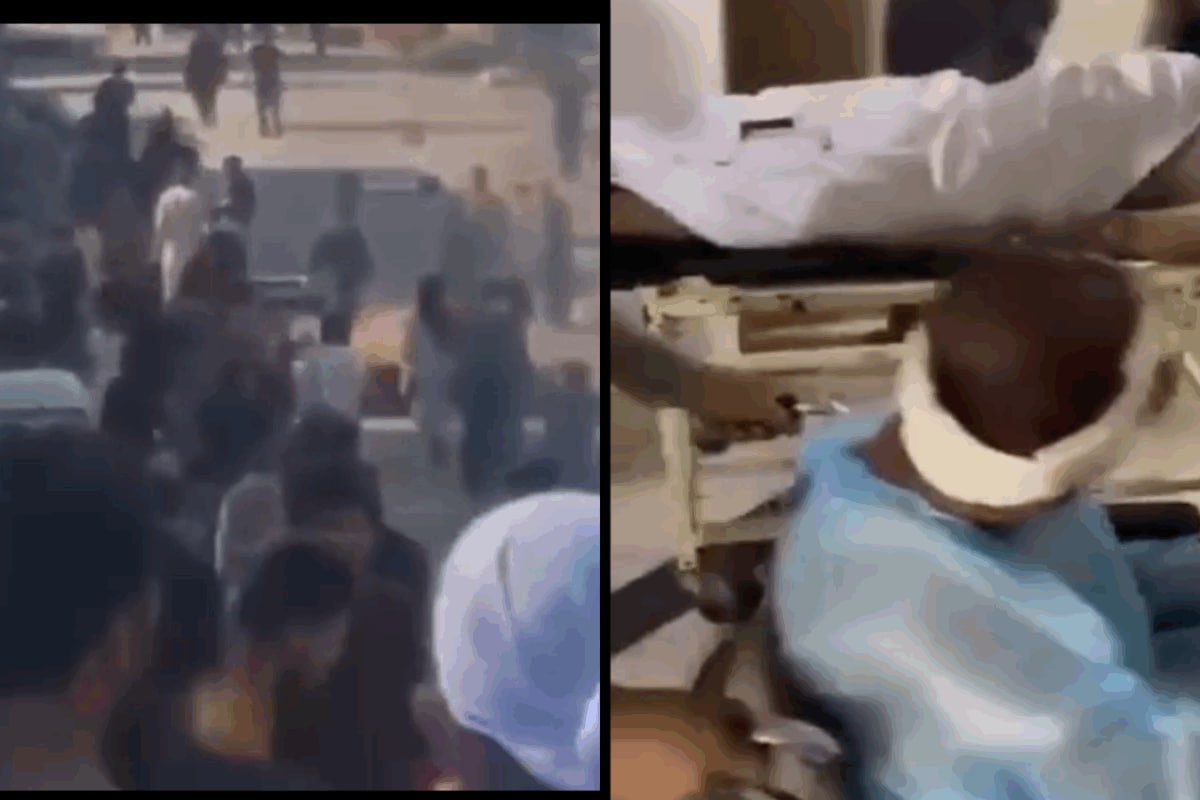
Authorities have defended the crackdown, stating that security forces arrested around 90 individuals in Mirpur Division and recovered weapons during operations against protesters. Officials argue that the measures were necessary to maintain law and order and prevent violence. However, protesters, civil society activists and members of the Kashmiri diaspora have strongly contested the government’s narrative. They allege that security forces used disproportionate force against largely unarmed demonstrators and targeted crowds during protest gatherings and funeral processions. According to top government sources familiar with developments, the crackdown has intensified under the leadership of Pakistan Army Chief General Asim Munir. The sources claim that military authorities have increasingly viewed the JAAC movement as a political challenge and have responded with a hard-line approach aimed at suppressing dissent. The deadliest incident reportedly occurred in Rawalkot, where clashes between protesters and security personnel resulted in multiple civilian deaths.
Sources further allege that the operation reflects a broader strategy to contain anti-establishment sentiment ahead of upcoming elections in Pakistan-administered Kashmir. Activist groups have drawn parallels with previous confrontations witnessed in 2024 and 2025, arguing that the current crackdown follows a pattern of forceful responses to public protests. Some campaigners have described the region as becoming a “Karbala-like" symbol of sacrifice against state oppression, though such characterisations remain politically contested. More serious allegations have also emerged. Sources claim that security forces fired near hospitals and funeral gatherings, potentially increasing the civilian death toll beyond officially acknowledged figures. While authorities have not confirmed such claims, activists insist that actual casualties may be significantly higher than reported, with some estimating that more than 100 people have died in recent months. The developments have once again placed PoK under international scrutiny, with growing calls from activists and rights groups for an independent investigation into the violence and the treatment of protesters.
News18 Newsletter Handpicked stories, in your inbox A newsletter with the best of our journalism submit About the Author Manoj Gupta Group Editor, Investigations & Security Affairs, Network18 First Published: June 09, 2026, 13:51 IST News world 12 Killed By Pakistani Forces In PoK Protests, Questions Mount Over Asim Munir's Response To Dissent Disclaimer: Comments reflect users’ views, not News18’s. Please keep discussions respectful and constructive. Abusive, defamatory, or illegal comments will be removed. News18 may disable any comment at its discretion. By posting, you agree to our Terms of Use and Privacy Policy Loading comments...
 The BriefWire