20-minute crossing, year-round access: Zojila clears key hurdle for Ladakh link
For decades, the onset of winter has meant the same thing for Ladakh: months of isolation from the rest of India as heavy snowfall and
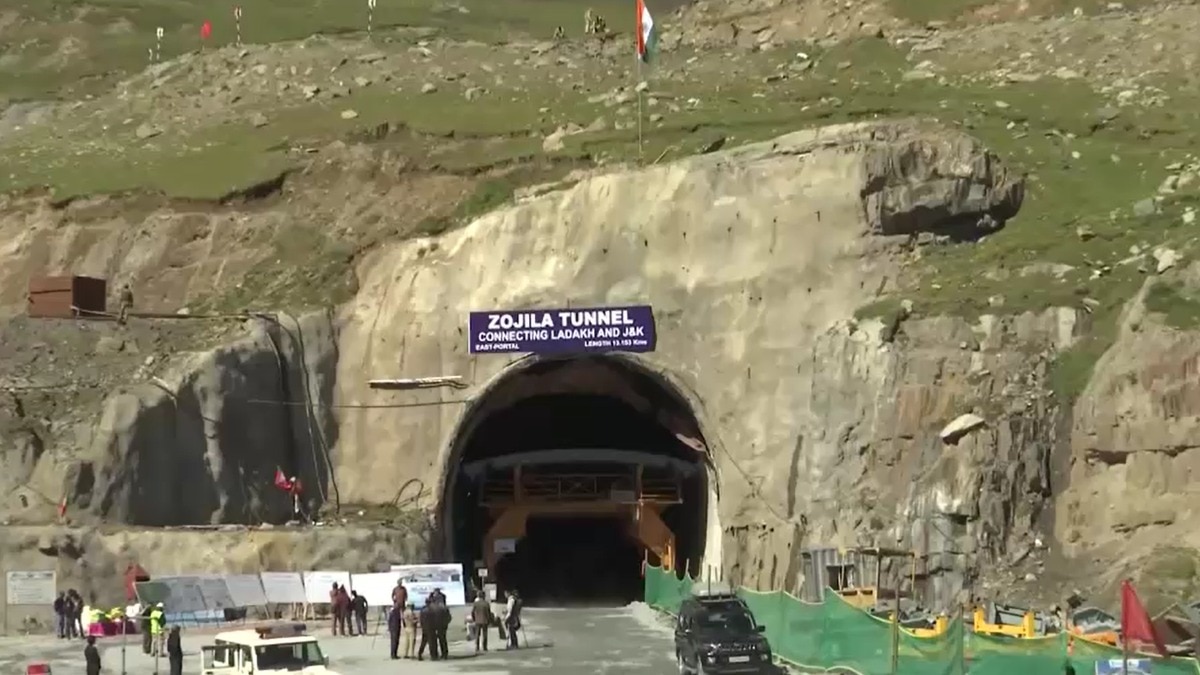
For decades, the onset of winter has meant the same thing for Ladakh: months of isolation from the rest of India as heavy snowfall and avalanches shut down the treacherous Zojila Pass. That reality moved a significant step closer to changing after engineers breached the final rock wall of the ambitious Zojila Tunnel, one of India's most strategically important infrastructure projects. Read Full Story The breakthrough completes excavation of the 13.5-kilometre tunnel being built at an altitude of around 11,500 feet. Once operational, it will provide year-round road connectivity to Ladakh, a region that has long battled weather-related disruptions and prolonged winter closures. The project is expected to be completed by the end of 2027. WHY THE TUNNEL MATTERS The Zojila Pass serves as a crucial gateway linking Ladakh with the Kashmir Valley and the rest of India. However, extreme weather conditions frequently render the route impassable during winter, cutting off the region for up to six months every year.
The tunnel is designed to eliminate that vulnerability by creating an all-weather route beneath the mountain range. Once opened, travel time across the pass is expected to fall dramatically from nearly three-and-a-half hours to just 20 minutes, making movement safer, faster and more reliable for residents, tourists and businesses. The uninterrupted link is also expected to strengthen trade, improve the flow of essential supplies and boost tourism in the high-altitude region. A MAJOR STRATEGIC ADVANTAGE Beyond civilian benefits, the tunnel is expected to play a critical role in India's strategic planning. Ladakh sits close to India's sensitive frontier with China, making year-round access a key requirement for military logistics and operational preparedness. The tunnel is expected to significantly improve troop mobility and the transportation of equipment in all seasons. Infrastructure experts have often described the Zojila Tunnel as one of the country's most significant strategic road projects because of its potential to ensure uninterrupted connectivity to Ladakh regardless of weather conditions.
THE ENGINEERING CHALLENGE Building a tunnel through one of the most challenging mountain environments in the world was never expected to be easy. Peda Subbaiah, Director of the Zojila Project, said the work involved overcoming severe weather conditions and difficult terrain at high altitude. "This was the most challenging project, be it the altitude, weather issues. We adopted the Austrian drill and blast method, which means shaping the tunnel on the go. This is the world's longest high-altitude tunnel," he said. The project team used the Austrian drill-and-blast technique to navigate complex geological conditions while excavating through the mountain. WHAT HAPPENS NEXT With tunnelling work now complete, construction will move into its next phase, including road surfacing, ventilation systems, lighting, safety infrastructure and other interior works needed to make the tunnel operational. Harpal Singh, CEO and Project Head, said the team hopes to complete the remaining work within the next two years.
"This will reduce travel time of crossing the notorious Zojila Pass from three and a half hours to 20 minutes," he said. "After the big breakthrough of completing the tunnelling work, we hope to complete the interior work within 24 months." The breach of the final rock wall may appear to be an engineering milestone, but its larger significance lies in what comes next: a future where Ladakh remains connected to the rest of India throughout the year, regardless of snow, avalanches or the harsh Himalayan winter. Ends
 The BriefWire