A menacing message: Why Iran's latest strikes against Israel are different
A more reactive & dangerous Iran Signal to allies and adversaries A bargaining chip? Risk calculus Ticking time bomb Iran's latest missile-and-drone barrage against Israel
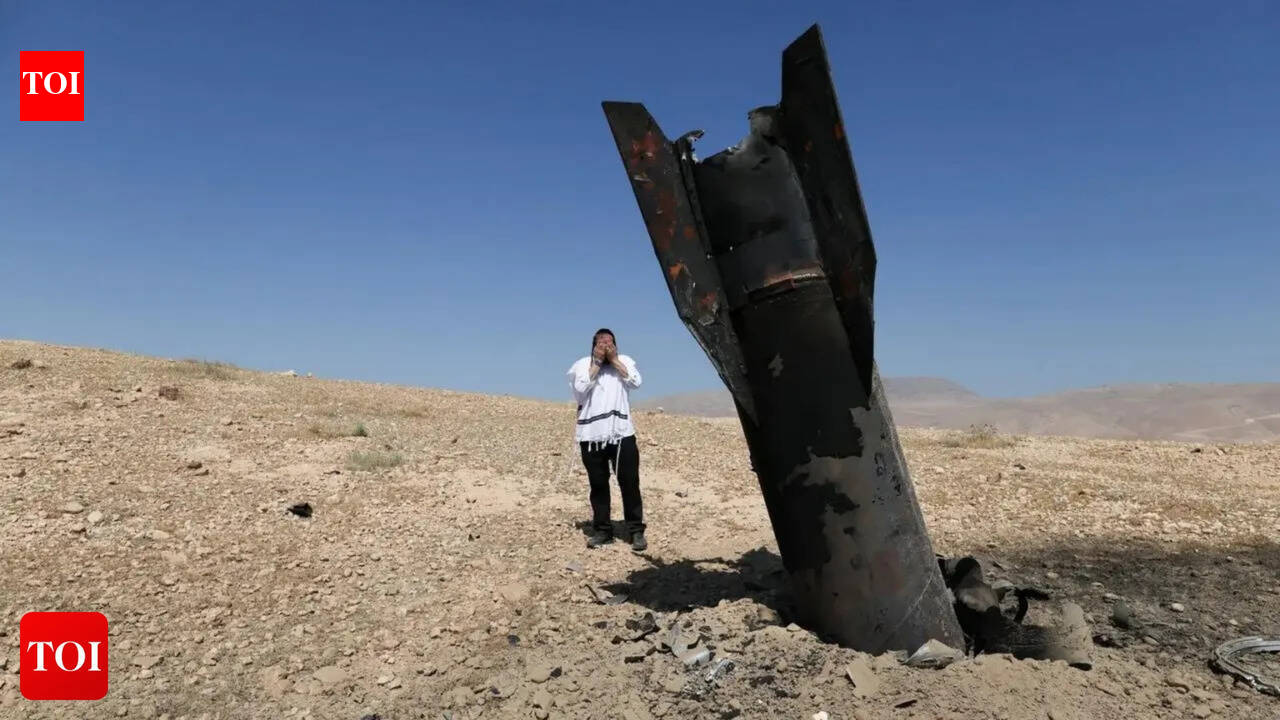
A more reactive & dangerous Iran Signal to allies and adversaries A bargaining chip? Risk calculus Ticking time bomb Iran's latest missile-and-drone barrage against Israel were not militarily noteworthy: a few high-value targets were struck, casualties were unclear, and Israel’s missile defences largely absorbed the onslaught.Yet alarm bells were set off globally. Why?Judging the incident only by its military effect misses the deadly consequential shifts beneath the surface.Tehran’s choice to directly strike Israel in response to an attack on a Hezbollah target in Lebanon — rather than a direct assault on Iranian soil or personnel — signals a tectonic recalibration of Iranian strategy, messaging and risk-tolerance.This is a more confident and brazen Iran, one that does not just react when directly attacked but actively takes action if its proxies and allies are threatened.This recalibration is what has alarmed regional capitals and diplomats in Washington and beyond.For years, Tehran treated direct strikes on Israel as exceptional measures tied to attacks on Iranian territory, commanders or clear Iranian assets.This time the proximate trigger was different: an Israeli strike on a building in southern Beirut that Iran said was linked to Hezbollah.By acting in defence of an allied asset outside Iran’s borders, Tehran is effectively expanding its red lines.The move reframes attacks on Iran’s proxies as attacks on Iran itself, collapsing distinctions that previously allowed Tehran to limit escalation while preserving deniability for some proxy actions.That shift matters because it multiplies the circumstances under which Iran might feel compelled to respond militarily.In a region already prone to miscalculation, more triggers equals more risk.Israel and its partners must now reassess the calculus that previously treated many Israel-Hezbollah exchanges as localised nuisances rather than potential 'call-to-arms' for Tehran.The strikes were meant as a clear message for two groups: Iran's regional allies — Hezbollah, allied Iraqi militias and other elements of the 'Axis of Resistance' — and foreign interlocutors watching negotiations with Washington.For partners like Hezbollah, Tehran’s credibility depends on the belief that Iran will back its allies when they are attacked.Standing aside after publicly pledging to defend Lebanese territory would have eroded that credibility and weakened Iran's regional influence.
By firing back, Tehran reaffirmed deterrence ties, shoring up patron-client relationships that sustain its proxy network and preserve strategic depth.At the same time, the strike communicated to Israel and the United States that Tehran perceives itself as less fragile than many outside observers assumed.After months of pressure — Israeli and US strikes, sanctions, and a maritime interdiction regime around critical supplies — the regime in Tehran remains intact, its security apparatus functional, and internal dissent contained.That resilience appears to have shifted Tehran’s internal risk assessment: rather than avoiding confrontation at almost any cost, it now judges that calibrated use of force can be leveraged to strengthen bargaining positions.Crucially, Tehran’s action appears calibrated.It was forceful enough to be politically and psychologically meaningful, yet constrained in scale to avoid automatic, large-scale escalation.That suggests a deliberate strategy to normalise a limited-but-visible use of force as a tool of diplomacy: warn, remind, and leverage — without burning the diplomatic table.From Tehran's standpoint, demonstrating that it can and will act could strengthen its hand in talks by reminding Washington (and Israel) that Iran retains operational leverage.Shortly after the strikes, Iranian president Masoud Pezeshkian said: "We have neither abandoned the field nor the negotiating table".This posture reflects a sophisticated hybrid logic linking hard and soft power: kinetic demonstrations of resolve supplement diplomatic demands.Iran’s leadership may believe that limited force demonstrates leverage rather than undercuts diplomacy.
But even calibrated attacks add friction: they harden domestic political positions in the US and Israel, reduce political room for compromise, and empower factions opposed to accommodation.For the US, the dilemma is acute — respond to defend partners and deterrence credibility, or temper the response to keep channels to Tehran open.Moreover, the episode undermines one of the containment assumptions underpinning regional stability: that Iran can be deterred from intervening directly beyond certain lines.If Tehran treats attacks on proxies as direct attacks on itself, then middle
powers, mediators, and deterrents must adjust. They must either offer clearer, enforceable assurances to curb such responses or accept a higher baseline of intermittent, politically calibrated confrontation.Perhaps the most worrying outcome is normalization: if Tehran repeats this pattern, it could institutionalise a new era in which tactical, limited strikes become routine tools of diplomatic signaling.That would raise the frequency of dangerous incidents and increase the probability of miscalculation.A single failed intercept, a civilian casualty, or a retaliatory overreach could set off escalation beyond anyone’s intent.
 The BriefWire