US, Israel can't hide their differences on Iran
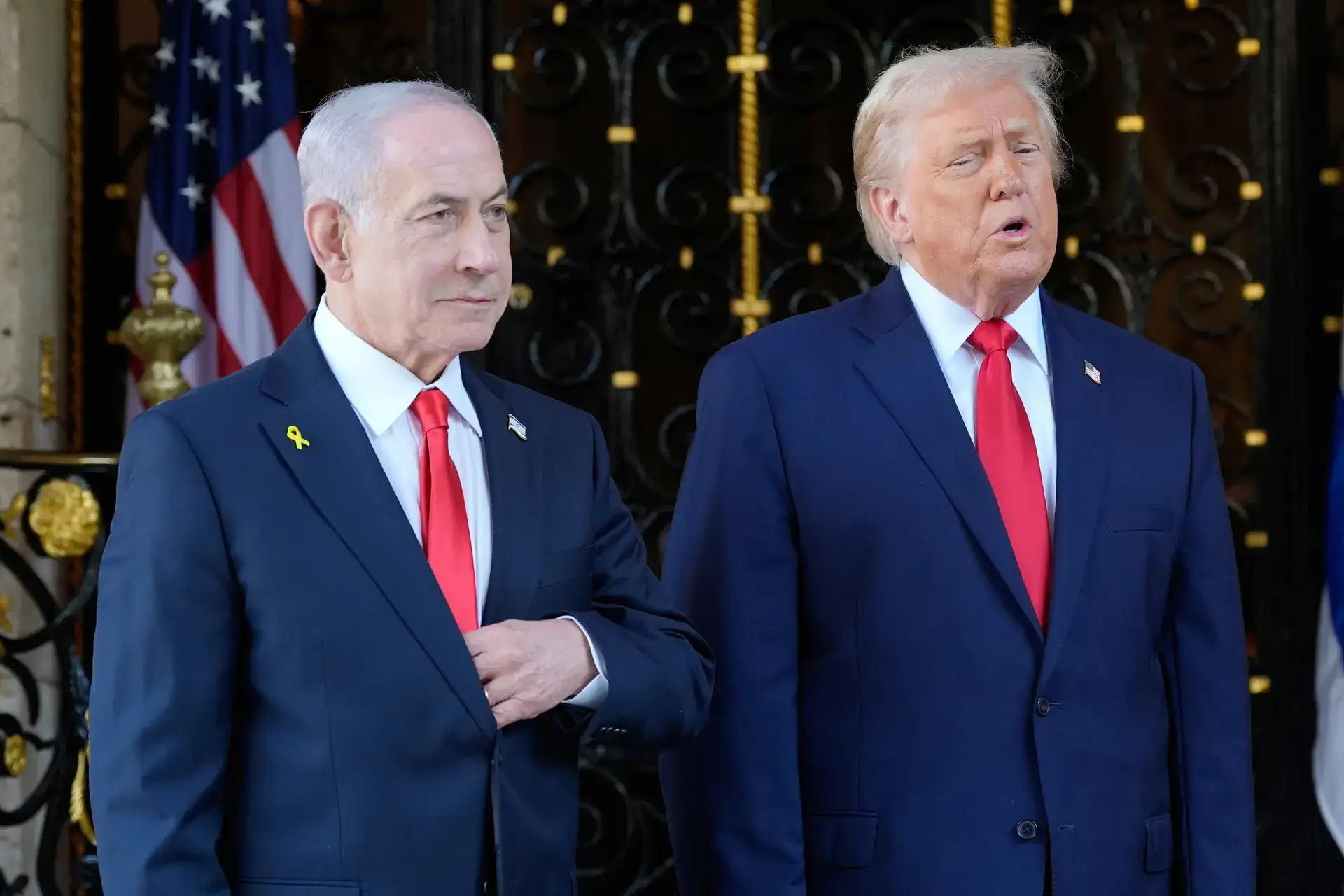
No wonder Donald Trump swore at his supposed friend and ally Benjamin Netanyahu last week. Within days of that June 1 phone call, Israel and
No wonder Donald Trump swore at his supposed friend and ally Benjamin Netanyahu last week. Within days of that June 1 phone call, Israel and Iran were back on track for the kind of military escalation that can no longer be explained away as a ceasefire breach, presenting a potentially fatal threat to the US president’s attempts to end the war.The cause of their dispute is, on the surface, simple. Israel says the April ceasefire between Tehran and Washington did not cover Lebanon, and that its troops would therefore go on fighting Hezbollah so long as the Shiite group posed a security threat to Israeli’s northern border communities. Iran says the deal did cover Lebanon, which is just another front in the same war — and of course it is.It’s precisely because it sees Hezbollah as a tool of Iran’s Islamic Revolutionary Guard Corps that Israel wanted the war in the first place. Israelis correctly blamed the IRGC for having orchestrated an entire proxy network of militias — from the Houthis in Yemen, to Hamas in Gaza, to Hezbollah in Lebanon — against the world’s only Jewish state. That Iranian strategy contributed directly to the atrocities of Oct. 7, 2023.Also Read: US Army Apache helicopter crashes near Strait of Hormuz, says reportOnly such an Iran-controlled or -inspired network can explain why Hezbollah opened a second front against the Israelis on Oct.
8 of that year, long before it could be described as a response to Israeli military excesses against Palestinian civilians in Gaza. Likewise that Hezbollah would join in the fight again when the US and Israel attacked Iran, in February. And it’s why the Houthis chose this weekend to lob a missile at Israel and announce they were closing the Bab al-Mandeb Strait to Israeli shipping.These last Houthi gestures were largely symbolic. Yet the collective message Tehran seeks to deliver is clear; it is that reports of the death of its so-called Axis of Resistance have been greatly exaggerated. The latest bout of escalation has notably been directed at Israel alone, serving to drive a wedge between it and the US, as it exposed the point at which their interests divide.Tehran on Monday appeared to want to draw a line under spiraling tit-for-tat air and missile strikes, saying it would refrain from further attacks — so long as Israel doesn’t bomb Hezbollah’s strongholds in Beirut. Netanyahu now faces a painful dilemma: Should he obey Trump by limiting his campaign against Hezbollah in the face of Iranian threats, thus granting them a level of impunity and deterrent power? Or should he ignore Trump and unleash the Israel Defense Forces on the Lebanese capital?Also Read: US carriers spent $6. 5B on fuel in April; global profit forecast is cut nearly in halfTehran’s new leaders understand this.
No doubt they see it as a win-win for themselves. They know, too, that Hezbollah has recovered some of the military utility it had lost before the war after acquiring remote-controlled first-person view drones that the IDF seem ill-prepared to counter.This would present a genuine predicament to any Israeli government, because popular support for “finishing the job” in Lebanon is high. Netanyahu faces anger from across the political spectrum over his apparent submission of Israeli security interests to American ones.But this isn’t any Israeli government. Not every Israeli leader would have overseen a decades-long security policy that prioritized the suppression of the Palestinian Authority over Hamas, allowing the terrorist group to succeed beyond its wildest dreams on Oct. 7. Nor would every Israeli leader have refused to draw up a political strategy to accompany the use of force that followed in Gaza, the West Bank, and Lebanon — despite being coerced by Trump into recent talks with its central government.As the former Israeli Prime Minister Ehud Barak put it in an article for the liberal Haaretz newspaper on Monday, the story being sold to Israelis — that the IDF could eradicate Hezbollah once and for all if only its hands weren’t tied — is “a dangerous illusion.” The history of previous, painful failed incursions into Lebanon says as much.Nor would every Israeli leader have misled Trump into believing (against the advice of the US military and intelligence community) that assassinating Iran’s supreme leader would swiftly precipitate a collapse of the Islamic Republic as a whole.
Nor might they have allowed their country to become quite as diplomatically isolated as it has.It is these strategic failures, amid undoubted military success, that have left Israel with few good options. Netanyahu can hope for a rapid collapse of the regime in Tehran to resolve his dilemma, but that’s unlikely. Alternatively, he can try to persuade the US to join in a long-term mow-the-lawn policy to keep Iran weak, amounting to a forever war. This, too, seems unlikely — or at least not in the interests of the US, its Gulf allies or the global economy.Failing one of these minor miracles, the risk of Israel being forced to accept a peace deal that leaves an enraged and emboldened Islamic Republic in place is real. No doubt Netanyahu, like Trump, believed in February that a short, victorious Iranian war might salvage his dimming political prospects, ahead of the Israeli elections due by October. That was a bad bet.
 The BriefWire