‘No Food, Hundreds Detained’: PoK Activists Allege Massive Crackdown By Pakistan | Exclusive
‘No Food, Hundreds Detained’: PoK Activists Allege Massive Crackdown By Pakistan | Exclusive Reported By, Edited By Last Updated: June 09, 2026, 10:57 IST Activists
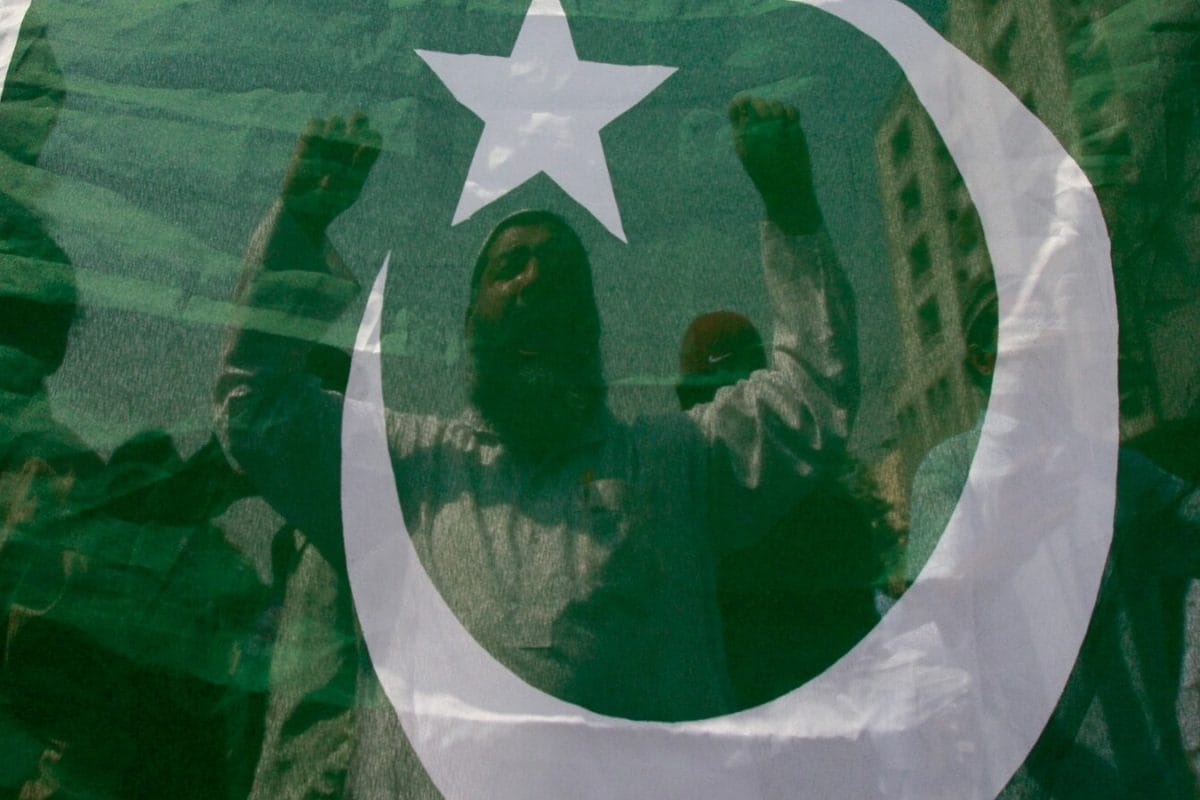
‘No Food, Hundreds Detained’: PoK Activists Allege Massive Crackdown By Pakistan | Exclusive Reported By, Edited By Last Updated: June 09, 2026, 10:57 IST Activists & local groups have claimed that internet services & mobile networks have remained disrupted across PoK, including Muzaffarabad, Rawalakot, Poonch, Mirpur & Neelum Valley Rapid Read activists have drawn parallels with past chapters of Pakistan's history, including the events preceding the creation of Bangladesh in 1971. Authorities in Pakistan-occupied Kashmir (PoK) are facing mounting criticism from activists, opposition voices and members of the Kashmiri diaspora as tensions continue to escalate across the region following days of unrest centered around Rawalakot and other major towns. The Joint Awami Action Committee (JAAC), which has been at the forefront of the protests, announced a region-wide demonstration on June 9, even as it alleged that security forces have intensified a crackdown on activists and supporters over the past six days.
According to claims made by JAAC leaders, more than 450 people have been detained or arrested since the unrest began. The organisation has also alleged that several protesters and workers remain missing following demonstrations outside the Combined Military Hospital (CMH) in Rawalakot. Activists and local groups have further claimed that internet services, mobile networks and other communication channels have remained disrupted in several parts of PoK, including Muzaffarabad, Rawalakot, Poonch, Mirpur and Neelum Valley. The situation has sparked criticism from overseas Kashmiri groups, with demonstrations reported in the United Kingdom, the United States and other countries. Diaspora organisations have accused Pakistan’s civil-military establishment of suppressing dissent and have called for greater international attention to developments in the region. Human rights concerns have also emerged as activists allege raids on homes and detentions of protesters. International observers and journalists have raised questions about the deteriorating security situation, while rights advocates have called for transparency and accountability.
The Awami Action Committee has further alleged that the death toll from Sunday’s violence in Rawalakot has risen to 35, with several others injured. These figures could not be independently verified. Adding a political dimension to the crisis, supporters of the opposition party Pakistan Tehreek-e-Insaf (PTI) have increasingly focused attention on the developments, questioning the use of force against protesters. Social media campaigns linked to PTI supporters have amplified demands for answers from Pakistan’s security establishment. Meanwhile, activists have drawn parallels with past chapters of Pakistan’s history, including the events preceding the creation of Bangladesh in 1971, arguing that heavy-handed responses to political grievances risk deepening public anger. Such comparisons remain politically contentious. Reports circulating among activists and diaspora groups also claim that international human rights organisations are documenting alleged violations against civilians in the region. Separately, attention has focused on statements suggesting that foreign missions, including the US Embassy in Pakistan, are monitoring developments.
As protests continue and competing narratives emerge, the situation in Pakistan-occupied Kashmir is increasingly drawing scrutiny from political observers, rights advocates and overseas Kashmiris, with calls growing for an independent assessment of events on the ground. News18 Newsletter Handpicked stories, in your inbox A newsletter with the best of our journalism submit About the Author Manoj Gupta Group Editor, Investigations & Security Affairs, Network18 Location: Islamabad, Pakistan First Published: June 09, 2026, 10:57 IST News world ‘No Food, Hundreds Detained’: PoK Activists Allege Massive Crackdown By Pakistan | Exclusive Disclaimer: Comments reflect users’ views, not News18’s. Please keep discussions respectful and constructive. Abusive, defamatory, or illegal comments will be removed. News18 may disable any comment at its discretion. By posting, you agree to our Terms of Use and Privacy Policy Loading comments...
 The BriefWire