Trump's Iran-Israel Nightmare: Inside The 24 Hours That Nearly Sparked A Bigger West Asia War
Trump's Iran-Israel Nightmare: Inside The 24 Hours That Nearly Sparked A Bigger West Asia War Published By, Last Updated: June 09, 2026, 09:08 IST As
Trump's Iran-Israel Nightmare: Inside The 24 Hours That Nearly Sparked A Bigger West Asia War Published By, Last Updated: June 09, 2026, 09:08 IST As missiles flew between Iran and Israel and tensions spread from Beirut to Tehran, Donald Trump scrambled behind the scenes to contain the crisis. The 24 Hours That Brought Trump To The Brink Of Another Middle East War Iran war Latest: US President Donald Trump has spent the past few weeks trying to prevent the Iran-Israel conflict from spiralling into a wider regional war. But over the last 24 hours, a rapid cycle of strikes and counterstrikes brought the United States dangerously close to being drawn back into another Middle East conflict. An Axios report highlighted how Trump once again found himself caught between two competing realities. The US President understood that Israeli Prime Minister Benjamin Netanyahu would find it difficult to ignore an Iranian missile attack, yet he feared that any further escalation could trigger a full-scale war involving the United States. As missiles flew between Iran and Israel and tensions spread from Beirut to Tehran, Trump scrambled behind the scenes to contain the crisis. Phone calls with Netanyahu, messages from Iran, pressure from regional governments and fears of a broader conflict forced the White House into intensive diplomatic efforts aimed at preventing a return to open war. What went behind the scenes? While Trump succeeded in pulling both sides back from the brink for now, the events of the past day highlighted how fragile the situation remains in West Asia and how quickly Washington could once again become entangled in a conflict it is trying to leave behind.
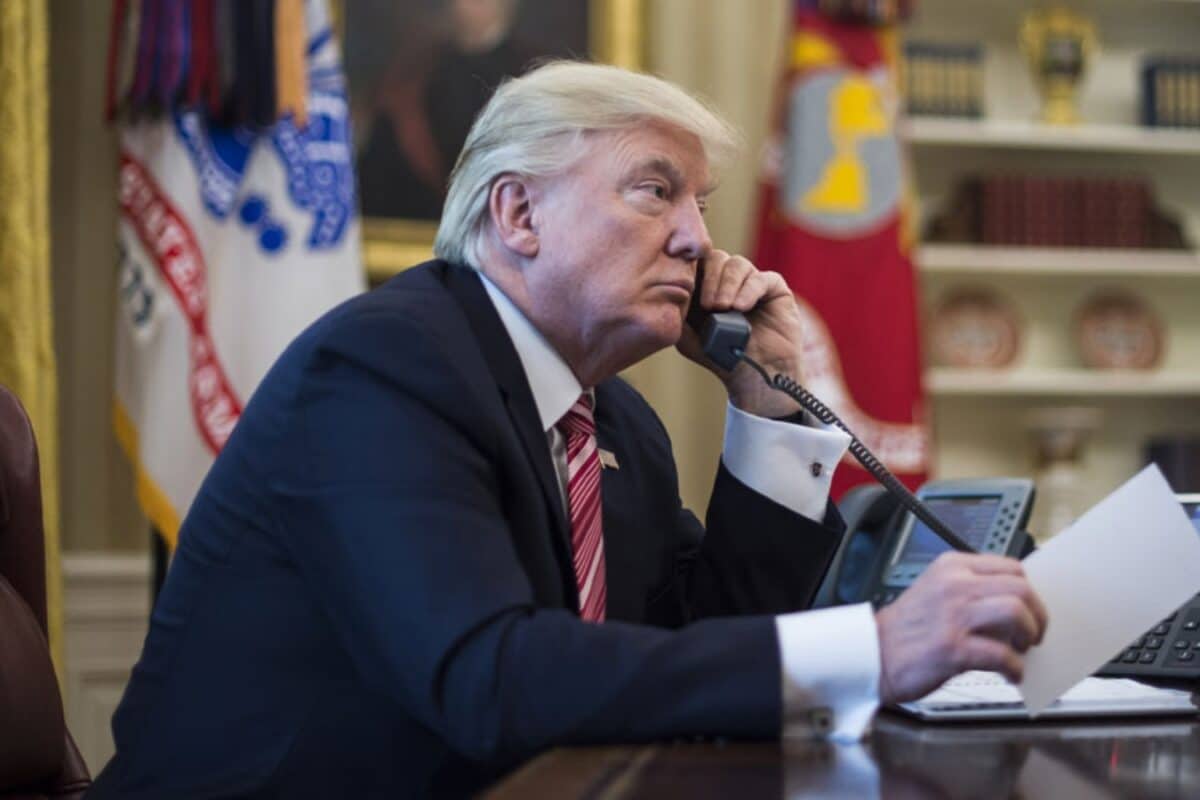
The latest escalation began on Sunday when Israel carried out a strike against a Hezbollah target in Beirut. According to Israeli sources, the Israel Defense Forces informed CENTCOM before the operation but did not notify the White House. A US official said Trump was unhappy with the strike, particularly after he had previously intervened to halt a similar Israeli operation. Iran then followed through on earlier warnings and launched missiles towards Israel after the Beirut attack. Then, what followed was a rapid cycle of military action and retaliation. Behind-the-scenes diplomacy On Sunday evening, Trump spoke directly with Netanyahu and urged him not to respond militarily to Iran’s missile attacks. According to sources familiar with the conversation, Trump argued that a diplomatic breakthrough with Iran could be reached within days, making additional military action unnecessary. He also suggested that if diplomacy failed, Washington could reassess its options later. Officials described the conversation as far calmer than a previous exchange between the two leaders. One US official called the discussion “polite", while another noted that no voices were raised. Netanyahu, however, maintained that failing to respond would weaken both Israel and the United States. He argued that inaction would signal that Iran had successfully deterred military action. The call ended without a clear commitment from the Israeli leader. Strikes continue despite US pressure After consulting security officials and military commanders, Netanyahu informed Washington that Israel would proceed with further attacks. Trump later said Israel had provided only limited notice before carrying out the operation. Israeli officials subsequently coordinated with US Secretary of State Marco Rubio regarding the targets.
Israel then struck several locations in Iran, including a key component of the country’s largest petrochemical facility and other sites in Tehran. Iran responded with another wave of missile attacks targeting Tel Aviv. Two additional rounds of strikes and counterstrikes followed on Monday morning, bringing the region dangerously close to a broader war. Although the United States did not take part in the Israeli attacks, US forces helped intercept incoming Iranian missiles, according to defence officials as quoted by Axios. Regional pressure and a last-minute pause Trump said leaders from five countries in the region contacted him and urged him to pressure Netanyahu to stop further military action. According to Trump, those governments supported ongoing negotiations and feared the conflict could undermine diplomatic efforts. Trump also claimed the US received messages from Iran indicating that Tehran was prepared to halt attacks if Israel did the same. As Israel prepared what officials described as its largest wave of strikes against Iran since April, Trump once again contacted Netanyahu. “I said, ‘Bibi, you better be careful, or you will be on your own very soon,'" Trump told Axios. Israeli sources said Netanyahu eventually agreed to stand down if Iran refrained from further attacks. Following the call, planned Israeli strikes were cancelled. Iran deal still out of reach Trump continues to insist that an agreement with Iran remains close. He has repeatedly argued that such a deal would prevent Iran from obtaining a nuclear weapon and halt uranium enrichment. However, Iranian parliamentary speaker and chief negotiator Mohammad-Bagher Ghalibaf rejected some of Trump’s recent claims, saying they contradicted previous understandings.
He also said Iran did not trust the other side. Ghalibaf stated that Tehran’s goal was to end the war rather than normalise relations with the United States. The events of the past day have also exposed growing differences between Washington and Tel Aviv. According to US and Israeli sources, the political interests of Trump and Netanyahu are increasingly diverging. One US official summed up the situation bluntly: “Bibi needs the war to continue to stay politically alive in Israel, and Trump needs the war to end to stay politically alive in the U.S." As of now, Iran and Israel have paused strikes. JD Vance on Monday said Trump will not let the Iran conflict from turning into a prolonged military entanglement for the United States. News18 Newsletter Handpicked stories, in your inbox A newsletter with the best of our journalism submit About the Author News Desk The News Desk is a team of passionate editors and writers who break and analyse the most important events unfolding in India and abroad. From live updates to exclusive reports to in-depth explainers,... Read More Location: Washington D.C., United States of America (USA) First Published: June 09, 2026, 09:06 IST News world Trump's Iran-Israel Nightmare: Inside The 24 Hours That Nearly Sparked A Bigger West Asia War Disclaimer: Comments reflect users’ views, not News18’s. Please keep discussions respectful and constructive. Abusive, defamatory, or illegal comments will be removed. News18 may disable any comment at its discretion. By posting, you agree to our Terms of Use and Privacy Policy Loading comments...
 The BriefWire