Iran And Israel Trade Blows On Day 100 Of War, Both Halt Strikes After Trump Steps In; Houthis Seal Red Sea
Iran And Israel Trade Blows On Day 100 Of War, Both Halt Strikes After Trump Steps In; Houthis Seal Red Sea Published By, Last Updated
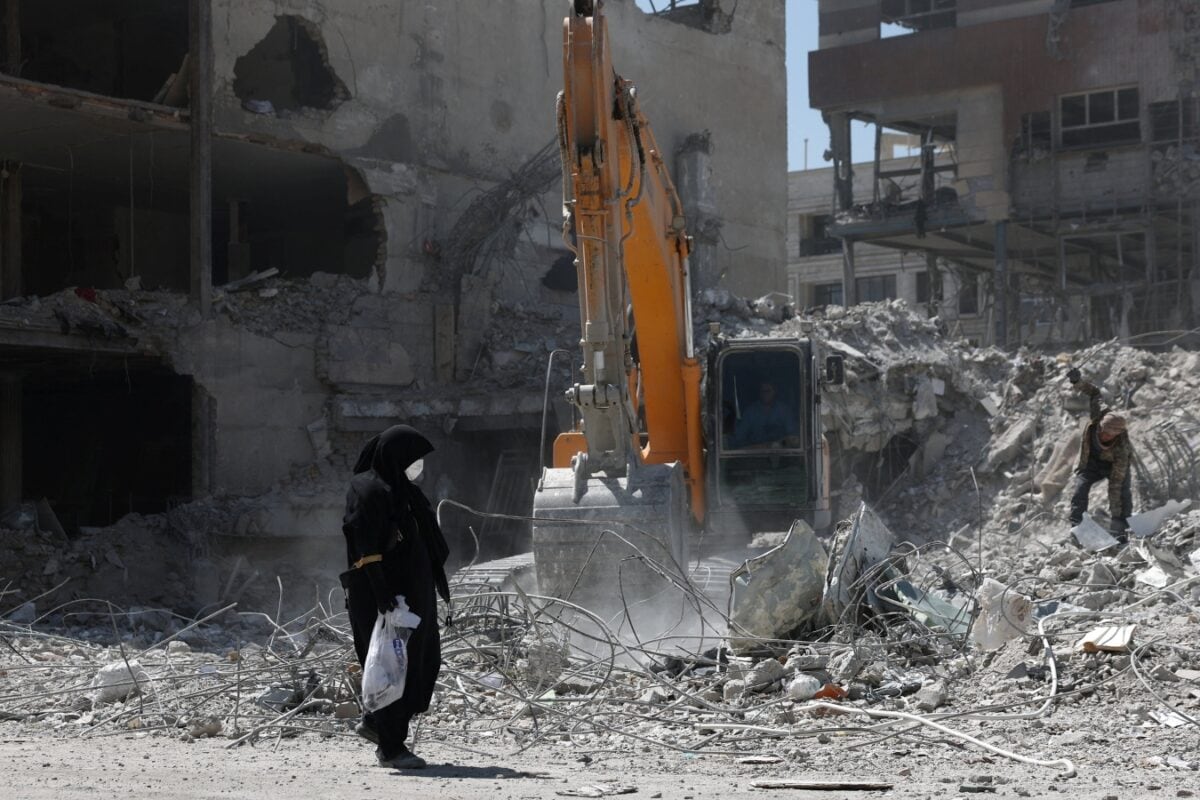
Iran And Israel Trade Blows On Day 100 Of War, Both Halt Strikes After Trump Steps In; Houthis Seal Red Sea Published By, Last Updated: June 08, 2026, 23:46 IST On the 100th day of the Iran war, Israel and Iran trade major strikes then pause after Trump pushes a ceasefire, as Houthis ban Israeli shipping in the Red Sea risking global trade A woman looks at the rubble of her house, which was damaged in a U.S. and Israeli strike in March, in Tehran. (Image Courtesy: Majid Asgaripour/WANA (West Asia News Agency) via REUTERS) On the 100th day of the Iran war, Israel and Iran traded strikes in the most violent exchange since an April ceasefire, with Israel hitting Iran’s Mahshahr petrochemical complex and Iranian ballistic missiles forcing Tel Aviv residents into bomb shelters, before US President Donald Trump intervened by phone to push both sides toward a halt. Trump posted on Truth Social that both countries were “looking to do an immediate CEASEFIRE!" adding that “final negotiations on ‘Peace’ are proceeding." Both sides have suspended operations, but the truce sits on a knife’s edge: Iran has warned it will resume strikes if Israel continues attacking southern Lebanon. And in a development that could choke two of the world’s busiest shipping lanes simultaneously, Yemen’s Houthi rebels declared on Monday a “complete and total ban on Israeli maritime navigation" in the Red Sea, threatening a key bypass route to the Strait of Hormuz. What Set It Off: The Attack On Beirut The 24-hour cascade began with Israel’s airstrikes on Sunday on Hezbollah’s Dahiyeh stronghold in Beirut’s southern suburbs. Israel struck Beirut’s southern suburbs without warning, days after a ceasefire agreement went into effect and despite a US request not to attack Lebanon’s capital. Iran, which has consistently demanded that Lebanon be included in any lasting truce, responded with force. People in Tel Aviv took cover in bomb shelters during an Iranian missile attack on June 8, 2026. Hospitals in Tel Aviv, including Ichilov, moved patients to underground wards as a precautionary measure after the barrages, according to Times of Israel visuals from the scene. Israel hit back in the early hours of Monday.
Dozens of Israeli warplanes took part in an operation focused mostly on Iranian air defences that were being restored after earlier fighting, with Iranian citizens reporting explosions in Tehran, Isfahan and Tabriz, and Iran’s airports shutting down. Israel also confirmed it struck the Mahshahr petrochemical complex. In the first hit on an energy site inside Iran since the April 8 ceasefire, a provincial official told Iran’s semi-official Fars news agency that parts of the Mahshahr plant were damaged. Workers at the complex were evacuated, Iranian media reported. Trump Tells Netanyahu: You’re On Your Own If You Escalate Washington’s frustration with Jerusalem was unusually public Monday. Trump warned Netanyahu that Israel could find itself alone against Iran if it escalated the conflict further, and claimed Washington was informed only at the last minute about Israel’s overnight strikes on Iran, adding that he succeeded in limiting their scope. In an interview that aired Sunday on NBC’s Meet the Press, marking the 100-day milestone, Trump said Netanyahu “doesn’t call the shots," adding: “We’re very close to a deal, or I’m going to blow the hell out of them." Trump told Britain’s Financial Times that his message to Netanyahu was not to fire back on Iran, and Netanyahu had no option but to accept. A US official told CBS News that an Israeli military response to Tehran was “not likely to be imminent." Netanyahu, for his part, released a video statement saying Israel had halted attacks on Iran, stopping short of acknowledging a ceasefire that Trump said both countries were aiming for, and arguing that Tehran had tried to create a “new equation" by linking the Lebanon conflict with an Iranian response. Netanyahu spoke with Trump by phone twice in under 24 hours on Monday. The Lebanon Variable The core dispute pulling the ceasefire apart comes down to one question: does any truce include Lebanon? Iran says yes, without condition. Israel and the US say no. Netanyahu’s office had clarified back in April that the two-week pause applied only to direct hostilities between the US and Iran and did not extend to Lebanon, indicating Israeli operations there could continue. Israel has maintained that position ever since. Netanyahu said Israel struck Beirut’s southern suburbs in response to Hezbollah firing toward Israel.
Hezbollah, for its part, has refused to participate in ceasefire talks and says it will not disarm unless Israel halts attacks and withdraws from Lebanese territory entirely. The fighting in Lebanon threatens efforts to end the Iran war and reopen the Strait of Hormuz, whose closure has jolted the world economy and triggered warnings of hunger in vulnerable regions. Houthis Slam Shut The Red Sea Just as the exchange between Iran and Israel was cooling, the Houthis escalated from the flank. Houthi military spokesperson Yahya Saree announced on Monday that a ban on Israeli maritime navigation in the Red Sea was now in effect, and that any Israeli target would be attacked. The announcement simultaneously places two of the world’s most critical maritime chokepoints under threat. The Strait of Hormuz carries approximately one-fifth of the world’s seaborne oil and gas, and the Red Sea sees roughly $1 trillion worth of goods pass through it each year. During the Israel-Hamas war, Houthi attacks on the Red Sea had already forced shipping firms to divert vessels around Africa’s southern cape, adding roughly 14 days to journeys between Asia and Europe. Oil passing through the Bab el-Mandeb Strait had dropped from 8.8 million to around 4 million barrels per day during that campaign, according to Euronews. Martin Kelly, head of advisory at EOS Risk Group, told Bloomberg that while the statement does not immediately change the risk picture, it “could mark a first step toward further escalation." “Current and historic Israeli ownership are at risk here. The Houthis say they will meet escalation with escalation," Kelly said. The Diplomacy: “Just Inches Away," Except It Isn’t Behind the strikes, Pakistan’s interior minister Mohsen Naqvi flew into Tehran on Saturday night for talks with Iranian Foreign Minister Abbas Araghchi, according to Tasnim news agency. Pakistan has functioned as the go-between ever since it brokered the April 8 ceasefire. Issues under discussion include freedom of navigation through the Strait of Hormuz, Iran’s nuclear and ballistic programme, reconstruction, sanctions, and a long-term peace agreement. Iran’s foreign minister said a deal was “just inches away" but criticised what he described as “maximalist demands" from US negotiators, according to the House of Commons Library briefing on the conflict.
Trump wrote on Truth Social Monday that the US blockade of Iranian ports will remain until a deal is reached. The April talks in Islamabad collapsed after 21 hours, with US Vice President JD Vance saying Iran refused Washington’s terms on its nuclear programme. No further confirmed talks are currently scheduled. How We Got Here: A Timeline In Brief The 2026 Iran war was initiated on February 28, 2026, when the United States and Israel launched strikes on Iran. The opening salvo killed Supreme Leader Ali Khamenei and triggered a torrent of hundreds of retaliatory missiles and thousands of drones from Iran. The attacks hit US military bases across the region and drew several Gulf states into the blast radius. UK bases in Bahrain, Qatar and Cyprus were attacked, and the RAF was deployed in a defensive capacity. After more than five weeks of fighting, the United States and Iran agreed on April 7-8 to a ceasefire that included Israel. In the following weeks the conflict shifted to a game of brinkmanship over restricted access to the Strait of Hormuz. The ceasefire was already strained before Monday. Iran’s airports have been shuttered and reopened multiple times. Schools in northern Israel have opened and closed on short notice. Monday’s strikes were, by multiple accounts, the worst the region has seen since that April agreement. News18 Newsletter Handpicked stories, in your inbox A newsletter with the best of our journalism submit About the Author Anoshito Banerjee Anoshito Banerjee is a digital journalist at CNN-News18, specialising in Indian foreign policy, global diplomacy, South and West Asian geopolitics, and strategic affairs. His reporting spans hard news... Read More First Published: June 08, 2026, 23:46 IST News world Iran And Israel Trade Blows On Day 100 Of War, Both Halt Strikes After Trump Steps In; Houthis Seal Red Sea Disclaimer: Comments reflect users’ views, not News18’s. Please keep discussions respectful and constructive. Abusive, defamatory, or illegal comments will be removed. News18 may disable any comment at its discretion. By posting, you agree to our Terms of Use and Privacy Policy Loading comments...
 The BriefWire