A Falcon 9 booster turns 5 years old—and just set a remarkable reuse record
A little more than five years ago, a shiny white Falcon 9 rocket made its debut flight, boosting a Cargo Dragon spacecraft to the International
A little more than five years ago, a shiny white Falcon 9 rocket made its debut flight, boosting a Cargo Dragon spacecraft to the International Space Station. Over the next year, it would launch a pair of astronaut missions and a handful of commercial spacecraft.
But since then, this first stage booster, designated B 1067, has mostly flown Starlink missions. It has launched them one after another, always returning safely to a drone ship before undergoing refurbishment and flying again.
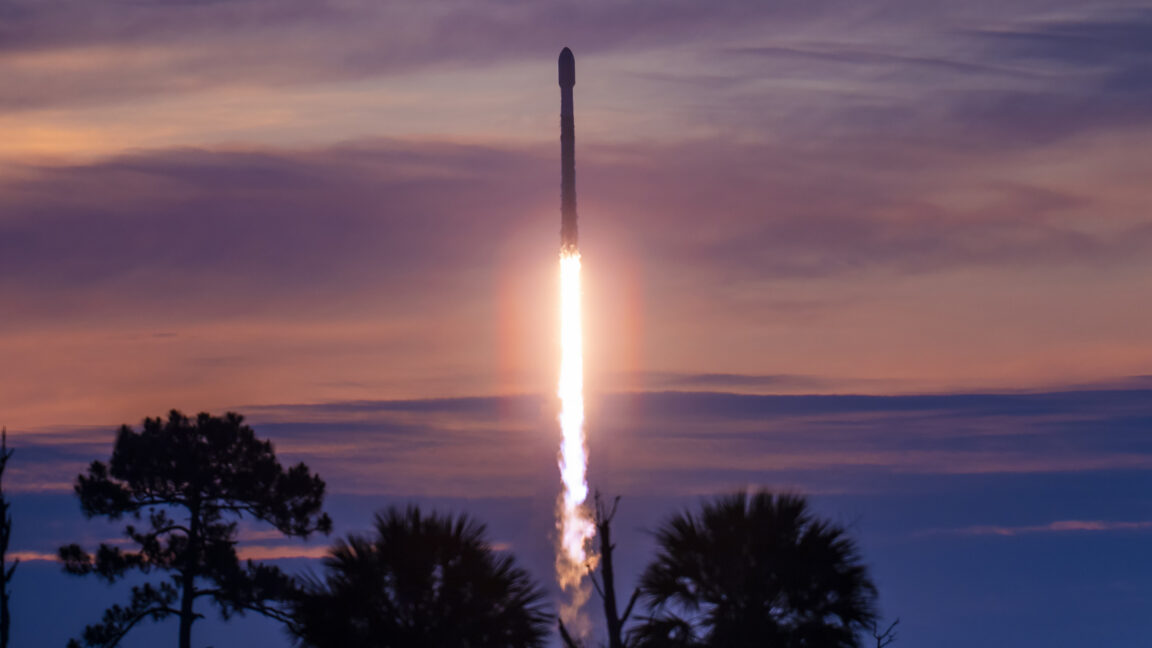
Sometimes it has flown twice in a single month. On Monday morning, B 1067 once again took to the skies, launching 29 Starlink Internet satellites into low-Earth orbit from Florida. Upon landing on the A Shortfall of Gravitas drone ship in the Atlantic Ocean, the vehicle completed its 35th mission overall, retaining its title as fleet leader for SpaceX.
Read full article Comments
 The BriefWire