After Vance, Pete Hegseth Calls Out Europe Over Migration Policy, Calls It An ‘Invasion’
After Vance, Pete Hegseth Calls Out Europe Over Migration Policy, Calls It An ‘Invasion’ Published By, Last Updated: June 07, 2026, 13:10 IST US Defence
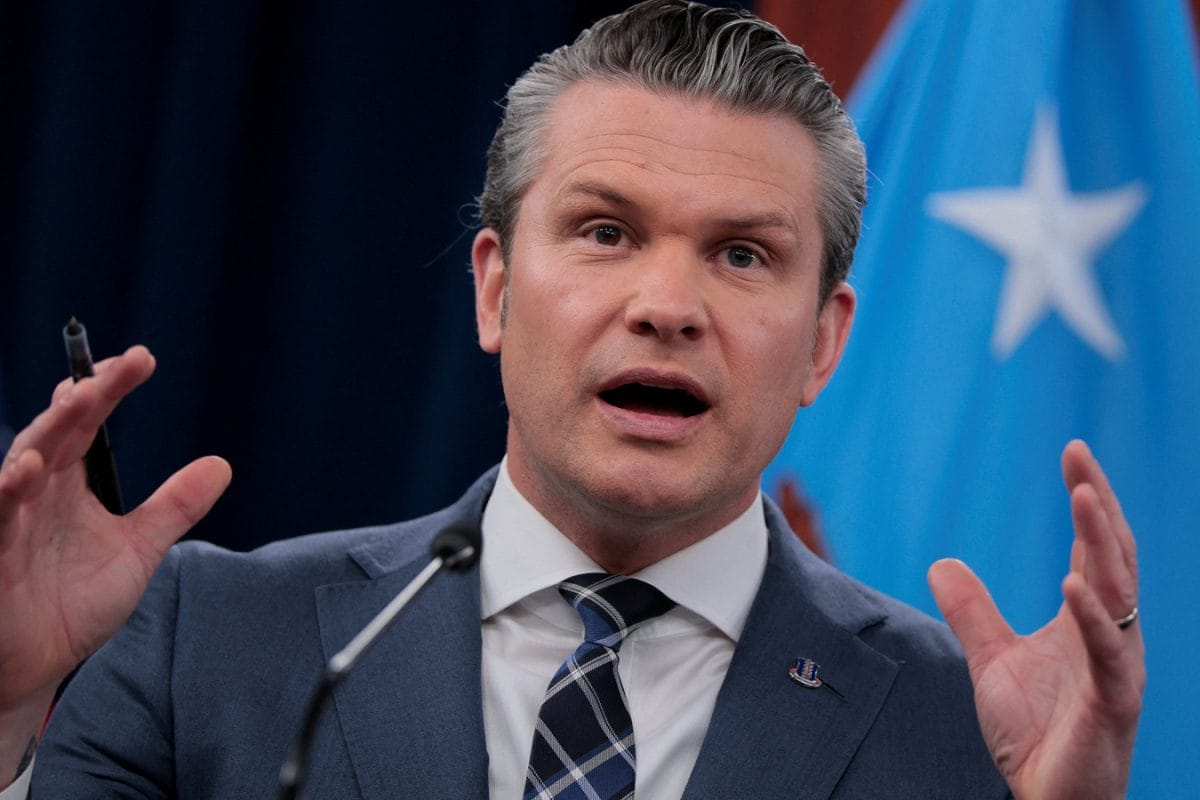
After Vance, Pete Hegseth Calls Out Europe Over Migration Policy, Calls It An ‘Invasion’ Published By, Last Updated: June 07, 2026, 13:10 IST US Defence Secretary Pete Hegseth uses D Day speech in Normandy to liken European migration to an invasion, drawing criticism as Trump administration hardens stance US Secretary of Defence Pete Hegseth. (Reuters file photo) US Defence Secretary Pete Hegseth used a speech marking the 82nd anniversary of D-Day in Normandy, France, to sharply criticise European nations over migration, accusing them of failing to respond to what he described as an “invasion" across the continent’s borders. Speaking at commemorations honouring Allied troops who landed on the beaches of Normandy during World War II, Hegseth drew a comparison between the historic military operation and present-day migration flows into Europe. “Sadly, today, different European beaches are stormed by different dangerous ideologies," Hegseth said. Referring to migrant arrivals in countries such as Spain, Italy, Greece and Bulgaria, he asked: “When will European capitals do something about that invasion?" Migration Debate Intensifies Hegseth’s remarks reflect the Trump administration’s increasingly hardline stance on immigration and border security, both domestically and internationally.
Migration has emerged as a major political issue across Europe in recent years, with anti-immigration and right-wing parties gaining support in several countries. Governments across the continent have faced mounting pressure to address irregular migration, particularly arrivals via the Mediterranean Sea and other maritime routes. The comments also add to a growing pattern of criticism from senior Trump administration officials directed at European migration policies. JD Vance’s Remarks Draw Criticism Just a day earlier, US Vice President JD Vance blamed the death of British teenager Henry Nowak on what he called the “mass invasion of migrants." The remarks drew a sharp response from the UK government. Downing Street criticised attempts to use the case for political purposes, noting that Nowak’s family had publicly stated they did not want the tragedy used to deepen social divisions. British authorities have confirmed that the individual convicted in the case was born in the United Kingdom. Linking D-Day to Modern Security Challenges During his address in Normandy, Hegseth warned that some European countries had become too comfortable with freedoms secured through the sacrifices of World War II.
“The men who fought and died here restored freedom to Europe," he said. “That freedom must be maintained by this generation of leaders and war fighters or what they fought for was merely temporary." D-Day, which took place on June 6, 1944, remains one of the most significant military operations in modern history. Tens of thousands of Allied troops from the United States, Britain and Canada landed on five Normandy beaches as part of the campaign to liberate Nazi-occupied Europe. Trump’s Longstanding Position President Donald Trump has repeatedly criticised European immigration policies. During speeches at international forums and campaign rallies, he has argued that uncontrolled migration poses risks to national identity, security and social cohesion. The Trump administration’s latest Security Strategy similarly warned that Europe could become “unrecognisable" within decades if migration trends continue unchecked. At home, immigration enforcement remains one of the administration’s central policy priorities. Since January 2025, US immigration authorities have carried out thousands of arrests as part of a broader crackdown on undocumented migration. Migration Numbers While migration remains politically contentious, data show that sea arrivals into Europe have declined significantly from their peak during the 2015 refugee crisis, when more than one million people crossed the Mediterranean.
Between April 2025 and March 2026, around 169,000 people arrived by sea in the UK and several European countries, according to official figures. In the United Kingdom, more than 9,000 migrants crossed the English Channel in small boats between January and early June 2026. Hegseth’s remarks are likely to spark further debate across Europe and the United States, where migration continues to be one of the most divisive political issues ahead of key elections and policy battles. News18 Newsletter Handpicked stories, in your inbox A newsletter with the best of our journalism submit Location: France First Published: June 07, 2026, 13:10 IST News world After Vance, Pete Hegseth Calls Out Europe Over Migration Policy, Calls It An ‘Invasion’ Disclaimer: Comments reflect users’ views, not News18’s. Please keep discussions respectful and constructive. Abusive, defamatory, or illegal comments will be removed. News18 may disable any comment at its discretion. By posting, you agree to our Terms of Use and Privacy Policy Loading comments...
 The BriefWire