Emma Heming Willis shares family photos as daughter Mabel turns 11
Bruce Willis’ wife, Emma Heming Willis, has celebrated their elder daughter’s birthday with a trip down memory lane. Mabel Willis turned 11 on Sunday, and
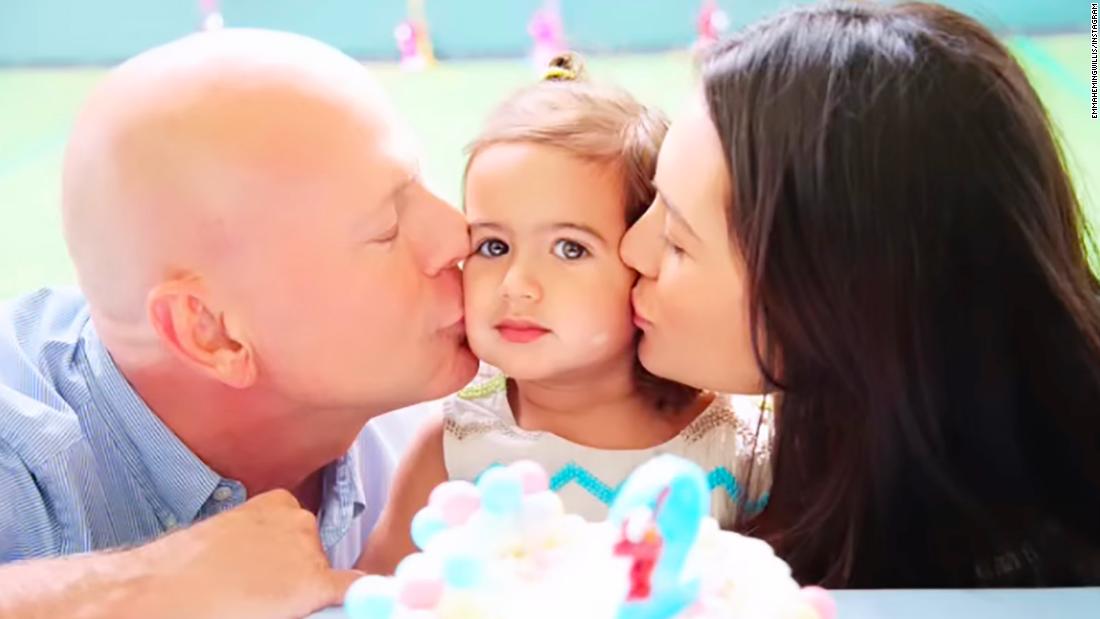
Bruce Willis’ wife, Emma Heming Willis, has celebrated their elder daughter’s birthday with a trip down memory lane. Mabel Willis turned 11 on Sunday, and her proud mom marked the occasion by sharing a montage of family photos and videos taken over the years, set to the song “Pictures Of You” by The Cure. “Happy 11th Birthday Mabel Ray!” Heming Willis wrote in the caption. “Your energy is infectious,” she continued, praising her little girl for the way she “can light a whole room with your smile and warmth.” “How you love and care for your family and friends is beautiful to witness.
Keep shining my love and always remember to #liveitup,” Heming Willis added. Heming Willis and Willis married in 2009. Along with Mabel, the couple also have an 8-year-old daughter, Evelyn. Willis also has daughters Rumer, Scout and Tallulah with his e wife, Demi Moore. Willis is clearly a doting dad. One picture in Heming Willis’ montage shows the “Die Hard” star holding baby Mabel while planting a kiss on her forehead, while a more recent image shows a beaming Willis hanging out in nature with his preteen.
Heming Willis penned an equally heartfelt tribute last month when her husband celebrated his 68th birthday. Sharing a video montage on Instagram, she referred to the actor as “pure love.” In February, Willis’ family announced that his speaking disorder, aphasia, had progressed into a form of dementia called frontotemporal dementia, or FTD. “Today there are no treatments for the disease, a reality that we hope can change in the years ahead,” they said in an
update shared online. “As Bruce’s condition advances, we hope that any media attention can be focused on shining a light on this disease that needs far more awareness and research.” According to the Alzheimer’s Association, FTD refers to “a group of disorders caused by progressive nerve cell loss in the brain’s frontal lobes (the areas behind your forehead) or its temporal lobes.” These areas of the brain are generally associated with personality, behavior and language.
 The BriefWire