Human Activities Killed 1,653 Elephants In India Since 2009: Report
Human Activities Killed 1,653 Elephants In India Since 2009: Report Published By, Last Updated: June 07, 2026, 12:54 IST Study finds 1,653 elephants in India
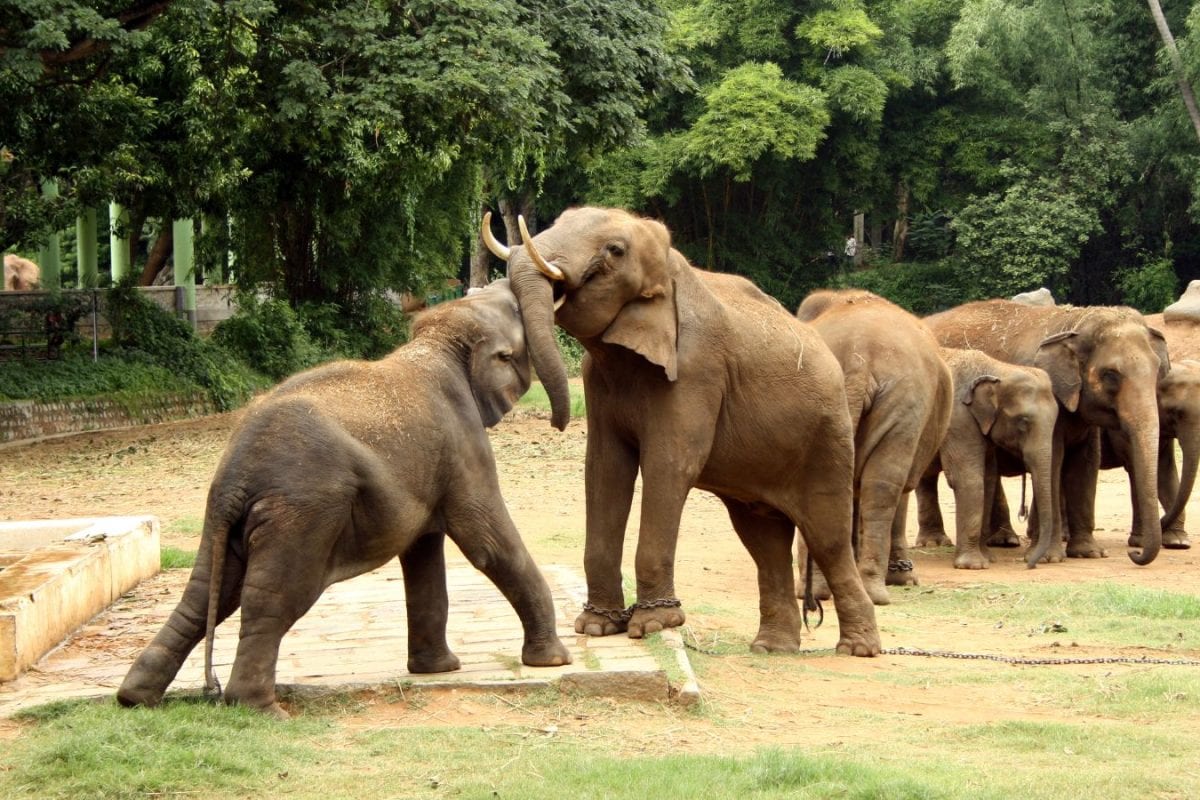
Human Activities Killed 1,653 Elephants In India Since 2009: Report Published By, Last Updated: June 07, 2026, 12:54 IST Study finds 1,653 elephants in India died from human causes since 2009, mainly electrocution and train hits, as habitat loss and conflict rise, experts urge stronger protections. Study finds 1,653 elephants in India died from human causes since 2009, mainly electrocution and train hits, as habitat loss and conflict rise, experts urge stronger protections. (Image: Canva) Human-induced factors have claimed the lives of at least 1,653 elephants in India over the past 16 years, highlighting the growing threat posed by expanding infrastructure, habitat fragmentation and human-wildlife conflict, according to a new study. The research, conducted by scientists from the Kerala Agricultural University and other institutions, analysed elephant mortality data across the country between 2009 and 2024. The findings reveal that a significant number of elephant deaths were linked directly to human activities rather than natural causes. According to the study, electrocution emerged as one of the leading causes of unnatural elephant deaths, accounting for hundreds of fatalities.
Many elephants were killed after coming into contact with illegal electric fences, low-hanging power lines or poorly maintained electrical infrastructure. Train accidents were another major cause of mortality, with elephants frequently being struck while crossing railway tracks that cut through forested habitats and traditional migration routes. The researchers also identified poaching, poisoning, retaliatory killings and accidents involving roads and other human-made structures as significant contributors to elephant deaths. Human-Elephant Conflict on the Rise The study points to increasing human encroachment into elephant habitats as a key driver of the problem. As forests are fragmented by highways, railways, settlements and agricultural expansion, elephants are increasingly forced to move through human-dominated landscapes in search of food and water. This has intensified human-elephant conflict across several states, particularly in regions such as Kerala, Karnataka, Tamil Nadu, Odisha, West Bengal and Assam, which support some of India’s largest elephant populations. Experts warn that shrinking habitats and disrupted migration corridors are making encounters between humans and elephants more frequent, often with fatal consequences for both.
Why Elephants Matter India is home to nearly 60% of the world’s wild Asian elephants and supports the largest population of the endangered species globally. Elephants are considered a keystone species because they play a critical role in maintaining forest ecosystems by dispersing seeds, creating pathways through dense vegetation and helping sustain biodiversity. Conservationists warn that continued losses from preventable human-related causes could undermine decades of efforts to protect India’s elephant population. Calls for Stronger Conservation Measures Researchers have urged authorities to strengthen wildlife-friendly infrastructure, secure elephant corridors and improve monitoring of power lines and railway networks passing through elephant habitats. The study also calls for greater coordination between forest departments, railway authorities and electricity providers to reduce preventable deaths. Experts say measures such as early-warning systems, wildlife crossings, fencing reforms and habitat restoration could significantly reduce elephant mortality and help ease conflicts between people and wildlife. The findings come amid growing concern over the future of India’s elephant population as rapid development continues to reshape landscapes traditionally used by the country’s largest land mammal.
News18 Newsletter Handpicked stories, in your inbox A newsletter with the best of our journalism submit About the Author News Desk The News Desk is a team of passionate editors and writers who break and analyse the most important events unfolding in India and abroad. From live updates to exclusive reports to in-depth explainers,... Read More Location: Delhi, India, India First Published: June 07, 2026, 12:54 IST News india Human Activities Killed 1,653 Elephants In India Since 2009: Report Disclaimer: Comments reflect users’ views, not News18’s. Please keep discussions respectful and constructive. Abusive, defamatory, or illegal comments will be removed. News18 may disable any comment at its discretion. By posting, you agree to our Terms of Use and Privacy Policy Loading comments...
 The BriefWire