Can OPEC+ still control oil prices? Iran war puts cartel's power on the line - Moneycontrol.com
According to OPEC+ estimates, the group's output has fallen to around 33 million barrels per day from nearly 43 million barrels per day before the
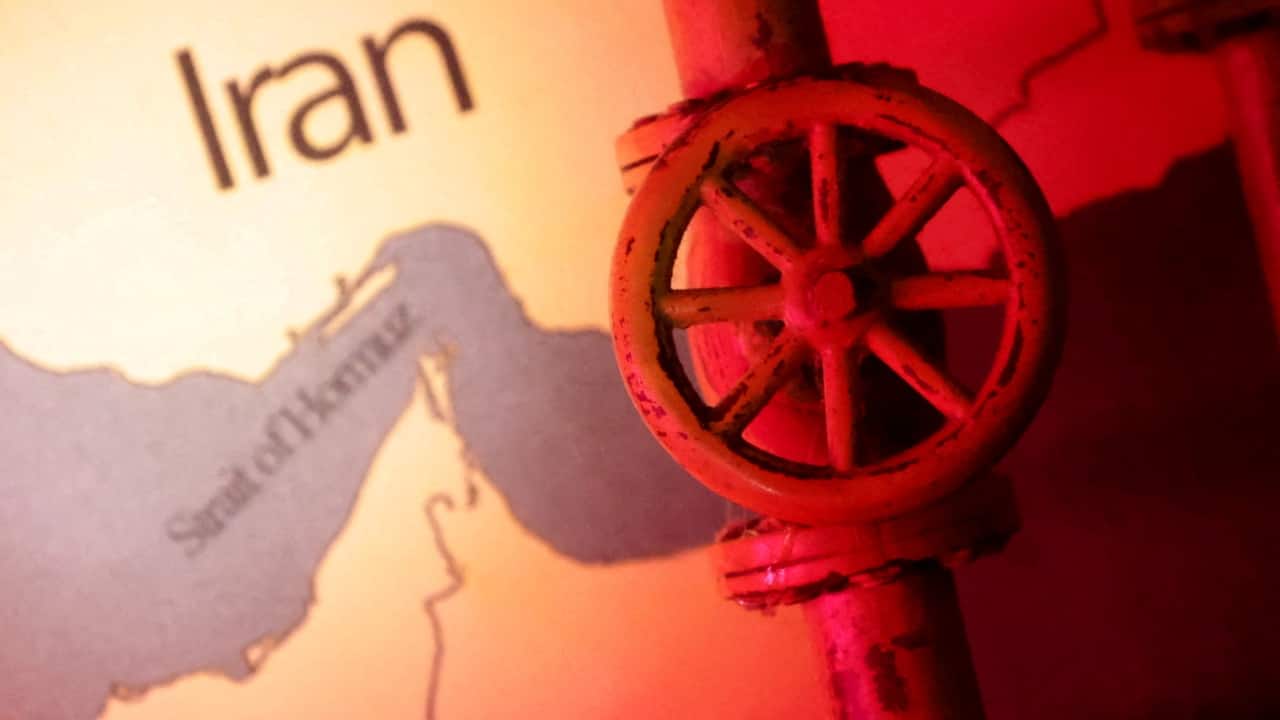
According to OPEC+ estimates, the group's output has fallen to around 33 million barrels per day from nearly 43 million barrels per day before the conflict intensified. Crude output from OPEC's 11 current members fell by 1.22 million barrels per day in May to 16.33 million barrels per day, the lowest level in at least 37 years. OPEC+ plans a modest quota hike but faces limited market impact Geopolitical conflicts and shipping issues disrupt oil supply UAE exit and further departures threaten OPEC+ unity Did our AI summary help? As OPEC+ ministers meet on June 7 to review production policy, the oil-producing alliance faces a stark reality - its ability to influence global oil prices has been weakened by the conflict involving Iran, Israel and the United States. The group is widely expected to approve another modest increase in production quotas of about 188,000 barrels per day, extending a series of gradual output hikes announced in recent months. Under normal circumstances, such a move would signal OPEC+'s intent to ease supply concerns and cool prices. This time, however, geopolitics is overshadowing production policy. The conflict has disrupted energy flows across the Persian Gulf and intensified concerns over the Strait of Hormuz, the critical waterway through which roughly 20 million barrels of oil and petroleum products move each day. Any disruption to traffic through the Strait has immediate consequences for global energy markets, and traders are paying far more attention to developments in the Gulf than to OPEC+ quotas. "Any announced production increases or changes to output targets will have limited practical value," Ole Hansen, commodities strategist at Saxo Bank, told AFP, further adding, "There is very little OPEC can do".
Analysts say the core problem is that higher quotas do not automatically translate into higher exports. Shipping disruptions, security risks and sanctions-related restrictions have constrained the movement of crude across the region, limiting the effectiveness of OPEC+'s traditional supply-management tools. Jorge Leon, senior vice president at Rystad Energy, expects the alliance to proceed with another 188,000-barrel-per-day increase, similar to recent adjustments. But he noted that geopolitical developments continue to dominate market sentiment. The scale of the disruption is evident in production data. According to OPEC+ estimates, the group's output has fallen to around 33 million barrels per day from nearly 43 million barrels per day before the conflict intensified. Analysts believe actual supply may be even lower because of restrictions on Iranian exports and broader disruptions affecting Gulf producers. "The US blockade on Iranian ports means production and exports are likely even lower than official estimates suggest," Homayoun Falakshahi, head of crude oil analysis at Kpler, told AFP. Data compiled by Bloomberg highlights the scale of the disruption. Crude output from OPEC's 11 current members fell by 1.22 million barrels per day in May to 16.33 million barrels per day, the lowest level in at least 37 years. The figures exclude the United Arab Emirates, which exited OPEC last month after six decades of membership. Iran accounted for more than half of the decline. Its production dropped by 710,000 barrels per day to 2.34 million barrels per day, a five-year low, as tighter restrictions on maritime traffic and the US blockade weighed on exports.
Other Gulf producers also recorded sharp declines. Kuwait's output fell by 310,000 barrels per day to 490,000 barrels per day, while Saudi Arabia's production dropped by 240,000 barrels per day to 6.57 million barrels per day. The result? A widening gap between OPEC+'s official production targets and the volume of crude actually reaching global markets. While quotas continue to rise on paper, physical supply remains constrained. Only a handful of producers, including Saudi Arabia, Russia, Iraq, Kuwait, Kazakhstan, Algeria and Oman, retain meaningful spare capacity. Even then, their ability to increase exports depends heavily on shipping access and regional stability. Compounding OPEC+'s challenges is the departure of the UAE, one of the few producers with substantial excess capacity. Abu Dhabi had long expressed frustration with production limits that restricted its ability to monetize investments in expanding output. "They don't want to be dictated to, they want to maximise their revenues," Lawrence Haar, a finance lecturer at the University of Brighton, told AFP. The UAE's exit has revived questions about the alliance's long-term cohesion. Falakshahi warned that further departures could significantly weaken OPEC+'s influence. "If Iraq were to leave, it could mark the end of OPEC+," he said. Saudi Arabia, the group's dominant member, is expected to play a central role in preserving unity. According to Falakshahi, Riyadh may need to offer greater flexibility on production arrangements to discourage additional defections. "Saudi Arabia is going to do what it takes to stop anyone else from leaving," he said. For now, however, compliance with quotas appears less important than the broader supply disruptions affecting the region.
Hansen said widespread production shut-ins have reduced the relevance of compensation mechanisms and compliance frameworks that traditionally underpin OPEC+ agreements. Despite the turmoil, OPEC+ is expected to continue gradually restoring supply. Delegates told Bloomberg that the alliance is considering further quota increases in August and September as part of its broader effort to unwind production cuts introduced in recent years. Whether those increases translate into meaningful additions to global supply remains uncertain. Analysts say oil prices are currently being driven far more by military developments, sanctions and shipping disruptions than by OPEC+ policy decisions. While the alliance can still send signals through quota adjustments, its ability to balance markets has been diminished by factors beyond its control. One factor helping prevent even sharper price spikes is softer demand from China. According to Falakshahi, Beijing has been drawing on strategic reserves and importing less crude than usual, easing some of the pressure created by supply disruptions. As ministers gather for their quarterly meeting, the key question is no longer whether OPEC+ will raise production targets. It is whether those targets still carry much weight in a market increasingly shaped by conflict and supply disruptions. "The market is being driven by geopolitics, not quotas," Hansen said. "There is very little OPEC can do until the disruptions in the Gulf are resolved."
 The BriefWire