What Is The Flesh Eating Worm Over Which Canada Has Banned Livestock From Texas
What Is The Flesh Eating Worm Over Which Canada Has Banned Livestock From Texas Published By, Last Updated: June 06, 2026, 17:05 IST Canada halts
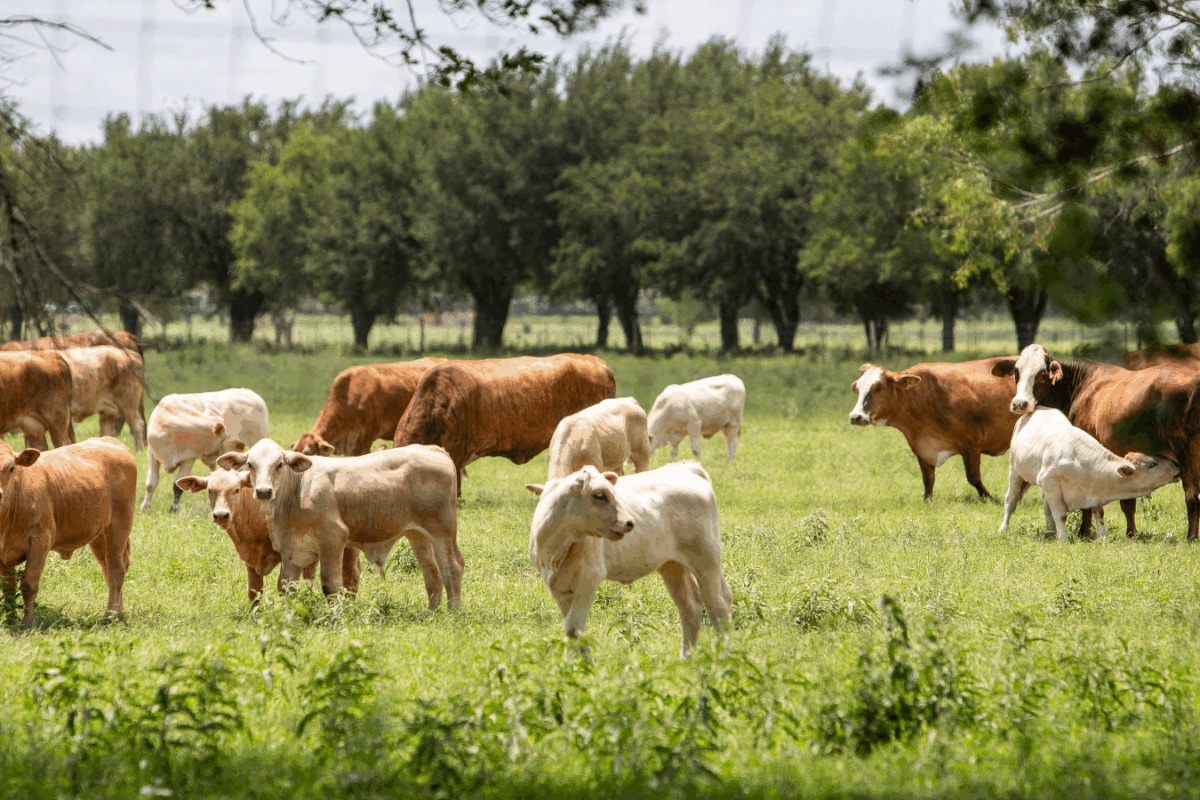
What Is The Flesh Eating Worm Over Which Canada Has Banned Livestock From Texas Published By, Last Updated: June 06, 2026, 17:05 IST Canada halts imports of cattle and horses recently in Texas after New World screwworm cases, as USDA confirms infected calves and Texas declares a state of disaster. Rapid Read A herd of cattle graze a pasture, a day after the U.S. Department of Agriculture confirmed that New World screwworm was detected in a Texas calf, near Zavala County, Texas. (Image: Reuters) Canada has temporarily halted the import of certain livestock from Texas after US authorities detected cases of the New World screwworm, a dangerous flesh-eating parasite that can kill animals if left untreated. The move follows the discovery of two infected calves in Texas and growing concerns that the outbreak, which has been spreading through Mexico and Central America, could move further north. Why Has Canada Imposed The Ban? The Canadian Food Inspection Agency (CFIA) announced that cattle and horses that have been in Texas within 21 days before entering Canada will not be permitted into the country. The decision came after the US Department of Agriculture (USDA) confirmed two cases of New World screwworm infestation in calves in southern Texas.
The state is America’s largest cattle producer, making the outbreak a significant concern for the livestock industry. Texas Governor Greg Abbott has since declared a state of disaster, warning that the parasite poses an “imminent threat" to the state’s agricultural sector. What Is The New World Screwworm? The New World screwworm is not actually a worm but the larval stage of a parasitic fly. Unlike ordinary maggots that feed on dead tissue, screwworm larvae attack living flesh. Female flies lay eggs in open wounds, cuts, or mucous membranes of animals and sometimes humans. Once the eggs hatch, hundreds of larvae burrow into the living tissue using sharp mouth hooks. If untreated, the infestation can cause severe infections, extensive tissue damage and eventually death. How Dangerous Is It? The parasite primarily affects cattle, horses, sheep, goats, pigs, wildlife and pets, but humans can also become infected in rare cases. Open wounds that fail to heal Swelling and bleeding Foul-smelling discharge Visible larvae inside wounds Severe tissue destruction In livestock, infestations can rapidly weaken animals and lead to significant economic losses. Where Were The Texas Cases Found? The first case was detected in a three-week-old calf in La Pryor, near the Mexico border.
Days later, a second infected calf was found in nearby Zavala County. US authorities established a 20-kilometre control zone around the affected area and imposed movement restrictions, quarantines and intensified surveillance. Officials believe the infections are linked to a larger outbreak that has been moving north through Central America and Mexico. Could The Parasite Spread To Canada? Canadian authorities say the risk remains relatively low because screwworm flies thrive in warm and humid climates. Historically, the parasite has struggled to survive in colder regions. However, officials are taking precautions because infected animals can transport the pest across borders before symptoms become obvious. Farmers have been advised to inspect livestock for unusual wounds, discharge or signs of infestation. Pet owners travelling to Texas have also been urged to monitor their animals. How Are Authorities Trying To Stop It? One of the most successful methods used against screwworms is the Sterile Insect Technique. Under this strategy, scientists breed millions of male flies, sterilise them and release them into the wild. When sterile males mate with females, no offspring are produced, gradually collapsing the parasite population. The technique helped eradicate screwworms from the United States in 1966 and has been used repeatedly to contain outbreaks since then.
For the current outbreak, US authorities plan to release hundreds of millions of sterile flies while also deploying specially trained detection dogs to identify infected animals. Why Does This Matter? The US and Canada share one of the world’s largest livestock trading relationships. More than 550,000 cattle crossed from the US into Canada in 2025 alone. If the outbreak spreads further, it could disrupt cattle trade, increase costs for farmers and create significant challenges for North America’s agricultural industry. For now, authorities on both sides of the border are racing to contain the parasite before it gains a stronger foothold during the summer months, when warmer temperatures favour its spread. News18 Newsletter Handpicked stories, in your inbox A newsletter with the best of our journalism submit Location: United States of America (USA) First Published: June 06, 2026, 17:05 IST News world What Is The Flesh Eating Worm Over Which Canada Has Banned Livestock From Texas Disclaimer: Comments reflect users’ views, not News18’s. Please keep discussions respectful and constructive. Abusive, defamatory, or illegal comments will be removed. News18 may disable any comment at its discretion. By posting, you agree to our Terms of Use and Privacy Policy Loading comments...
 The BriefWire