Total solar eclipse to darken skies across Europe and Asia in 2026
Total solar eclipse to darken skies across Europe and Asia in 2026 Published By, Last Updated: June 06, 2026, 19:55 IST A total solar eclipse
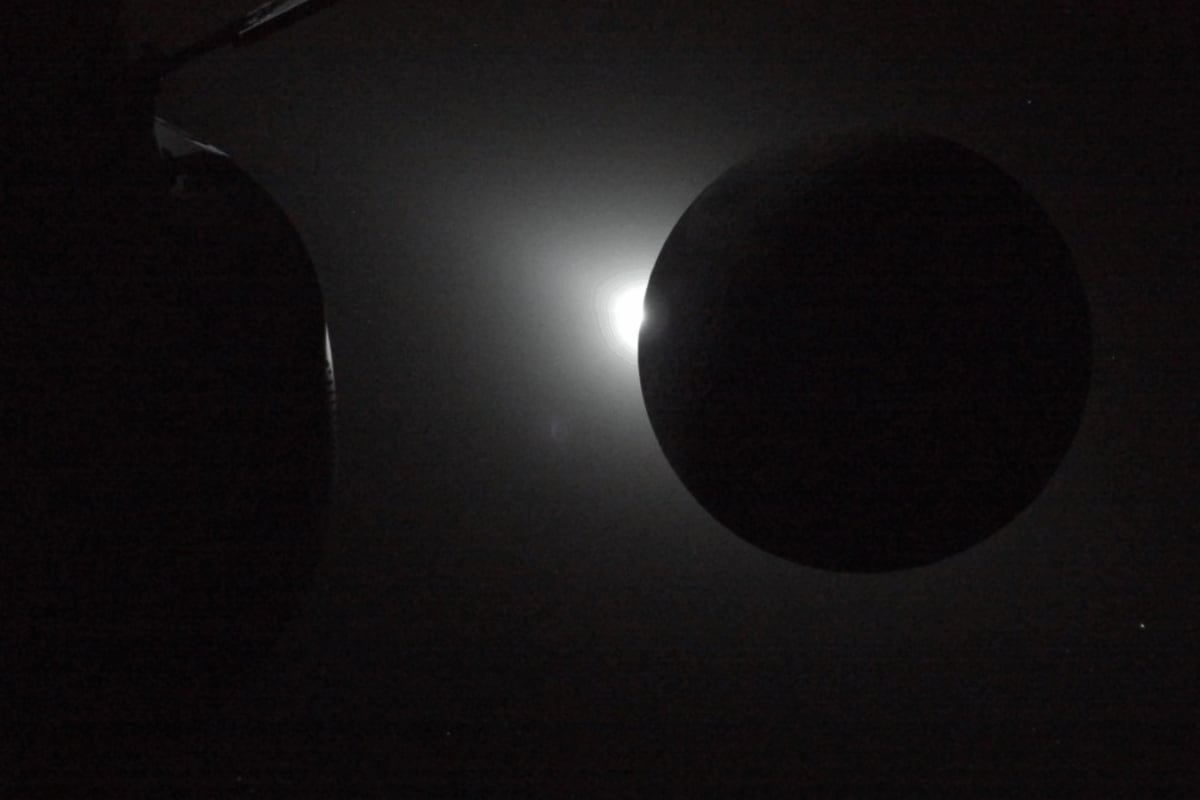
Total solar eclipse to darken skies across Europe and Asia in 2026 Published By, Last Updated: June 06, 2026, 19:55 IST A total solar eclipse on August 12 2026 will cross Greenland, Iceland, Spain, Russia and Central Asia, with India seeing only a partial eclipse and experts urging safe viewing. Total eclipse. (Image: AFP) Skywatchers across parts of Europe, North Africa and Asia are preparing for a rare celestial spectacle as a total solar eclipse is set to darken the skies on August 12, 2026. The eclipse, one of the most anticipated astronomical events of the decade, will occur when the Moon passes directly between the Earth and the Sun, completely blocking sunlight for observers located along a narrow path known as the “path of totality." Where Will the Eclipse Be Visible? According to astronomers, the path of totality will stretch across parts of Greenland, Iceland, Spain, Russia and portions of Central Asia. Millions of people in these regions will experience several minutes of daytime darkness as the Moon completely covers the Sun. Outside the path of totality, a much larger area across Europe, Africa and Asia will witness a partial solar eclipse.
Spain is expected to be one of the most popular destinations for eclipse chasers, with several cities positioned directly under the path of totality. Why Is This Eclipse Special? The August 2026 eclipse is attracting significant attention because it will be one of the longest and most accessible total solar eclipses visible from Europe in decades. For many countries along the eclipse route, it will be the first total solar eclipse visible in generations. Scientists say total solar eclipses offer a rare opportunity to study the Sun’s outer atmosphere, known as the corona, which normally remains hidden by the Sun’s intense brightness. During totality, observers may also witness phenomena such as solar prominences, the appearance of stars in daytime skies and dramatic changes in temperature and lighting conditions. Will the Eclipse Be Visible in India? Yes, parts of India are expected to witness the August 12, 2026 solar eclipse, but not as a total solar eclipse. Most locations across the country will see a partial solar eclipse, with the extent of coverage varying by region. The eclipse will be visible around sunset in many northern and western parts of India, where observers may be able to see a portion of the Sun obscured by the Moon before it dips below the horizon.
However, India does not lie within the path of totality, meaning observers in the country will not experience the dramatic daytime darkness associated with a total solar eclipse. Astronomers advise using certified solar viewing glasses or appropriate solar filters while observing the event, as looking directly at the partially eclipsed Sun can cause serious eye damage. What Happens During a Total Solar Eclipse? A total solar eclipse occurs when the Sun, Moon and Earth align perfectly. As the Moon gradually moves across the Sun, daylight begins to fade. Once totality begins, the Sun’s bright disk disappears completely, revealing the faint corona surrounding it. The period of totality can last from a few seconds to several minutes depending on an observer’s location within the eclipse path. After totality ends, sunlight rapidly returns as the Moon continues its orbit. Safety Precautions Astronomers are reminding the public that looking directly at the Sun without proper eye protection can cause permanent eye damage. Special eclipse glasses certified for solar viewing are required during all partial phases of the eclipse. The only time it is safe to view the eclipse without protection is during the brief period of totality when the Sun is completely covered.
A Rare Opportunity The August 2026 event is expected to attract thousands of tourists, scientists and astronomy enthusiasts to locations along the path of totality. Experts note that while partial solar eclipses occur relatively frequently somewhere on Earth, total solar eclipses are much rarer for any given location. As a result, many eclipse enthusiasts travel across the world to witness the phenomenon. For those fortunate enough to be within the eclipse path, August 12, 2026, promises a once-in-a-lifetime opportunity to experience one of nature’s most dramatic spectacles. News18 Newsletter Handpicked stories, in your inbox A newsletter with the best of our journalism submit Location: Egypt First Published: June 06, 2026, 19:55 IST News world Total solar eclipse to darken skies across Europe and Asia in 2026 Disclaimer: Comments reflect users’ views, not News18’s. Please keep discussions respectful and constructive. Abusive, defamatory, or illegal comments will be removed. News18 may disable any comment at its discretion. By posting, you agree to our Terms of Use and Privacy Policy Loading comments...
 The BriefWire