AI Could Consume Enough Water For 1.3 Billion People By 2030, UN Study Finds
AI Could Consume Enough Water For 1.3 Billion People By 2030, UN Study Finds Published By, Last Updated: June 06, 2026, 16:49 IST UN University
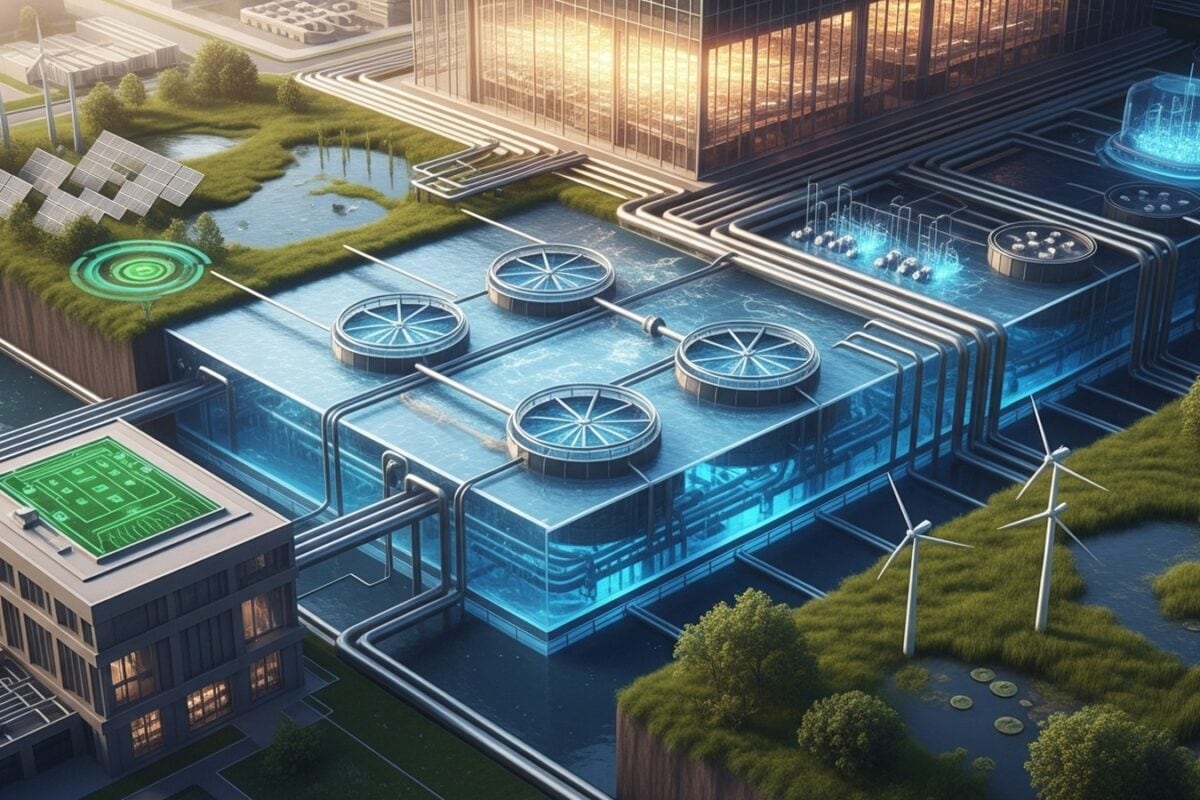
AI Could Consume Enough Water For 1.3 Billion People By 2030, UN Study Finds Published By, Last Updated: June 06, 2026, 16:49 IST UN University warns AI data centers could strain water and energy by 2030, with electricity use possibly doubling to 945 TWh, urging sustainable practices and policy action. Data centres require substantial amounts of water to cool servers. (AI-generated image) Artificial intelligence is transforming industries worldwide, but a new report from the United Nations University warns that the technology’s environmental footprint is growing rapidly and could place significant pressure on global resources by 2030. The study highlights that the expansion of AI infrastructure may dramatically increase demand for water, electricity and land. One of its most striking projections is that AI-related data centres could use enough water by the end of the decade to satisfy the basic household needs of approximately 1.3 billion people—roughly equivalent to the population of Africa today.
Every AI Prompt Has A Cost? “AI is now one of the most significant drivers of that data center growth. In 2025, AI workloads alone accounted for around 20% of total data center electricity use, and if that share rises to 40% by 2030 as projected, its electricity demand could reach roughly 378 TWh—enough to meet the residential electricity needs of the entire population of Sub-Saharan Africa for over 2 years," the study mentioned. Researchers argue that discussions about AI’s environmental impact have largely centred on carbon emissions, while water consumption has received far less attention. Data centres require substantial amounts of water to cool servers, and additional water is used indirectly through electricity generation needed to power AI systems. UN Sounds Alarm On Water, Energy Use By AI The report also predicts a sharp rise in energy consumption. By 2030, AI-focused data centres could require around 945 terawatt-hours of electricity each year, a figure that exceeds the combined annual power consumption of Pakistan, Bangladesh and Nigeria by nearly three times.
“On current trajectories, data center electricity demand could roughly double to 945 TWh by 2030, nearly triple the combined annual electricity use of Pakistan, Bangladesh, and Nigeria, together home to more than 650 million people," the study found. According to the study, AI’s environmental impact extends beyond software. The technology depends on an extensive physical ecosystem that includes data centres, specialised chips, cooling equipment and supporting energy networks, all of which consume natural resources. Another key finding is that routine use of AI may account for the majority of its energy demand. Researchers estimate that everyday interactions contribute between 80 and 90 per cent of total energy use, with image and video generation requiring significantly more power than text-based queries. Rather than discouraging AI development, the report calls for more sustainable practices and urges policymakers and technology firms to factor environmental costs into future innovation strategies. News18 Newsletter Handpicked stories, in your inbox A newsletter with the best of our journalism submit About the Author Manisha Roy Manisha Roy is a Senior Sub-Editor at News18.com's general desk.
She comes with an experience of over 5 years in media industry. She covers politics and other hard news. She can be contacted at Manish... Read More First Published: June 06, 2026, 16:49 IST News world AI Could Consume Enough Water For 1.3 Billion People By 2030, UN Study Finds Disclaimer: Comments reflect users’ views, not News18’s. Please keep discussions respectful and constructive. Abusive, defamatory, or illegal comments will be removed. News18 may disable any comment at its discretion. By posting, you agree to our Terms of Use and Privacy Policy Loading comments...
 The BriefWire