Trump Weighed A High-Risk Mission To Recover Iran’s Uranium, Then Changed Course. What Stopped Him?
Trump Weighed A High-Risk Mission To Recover Iran’s Uranium, Then Changed Course. What Stopped Him? Published By, Last Updated: June 06, 2026, 09:13 IST Donald
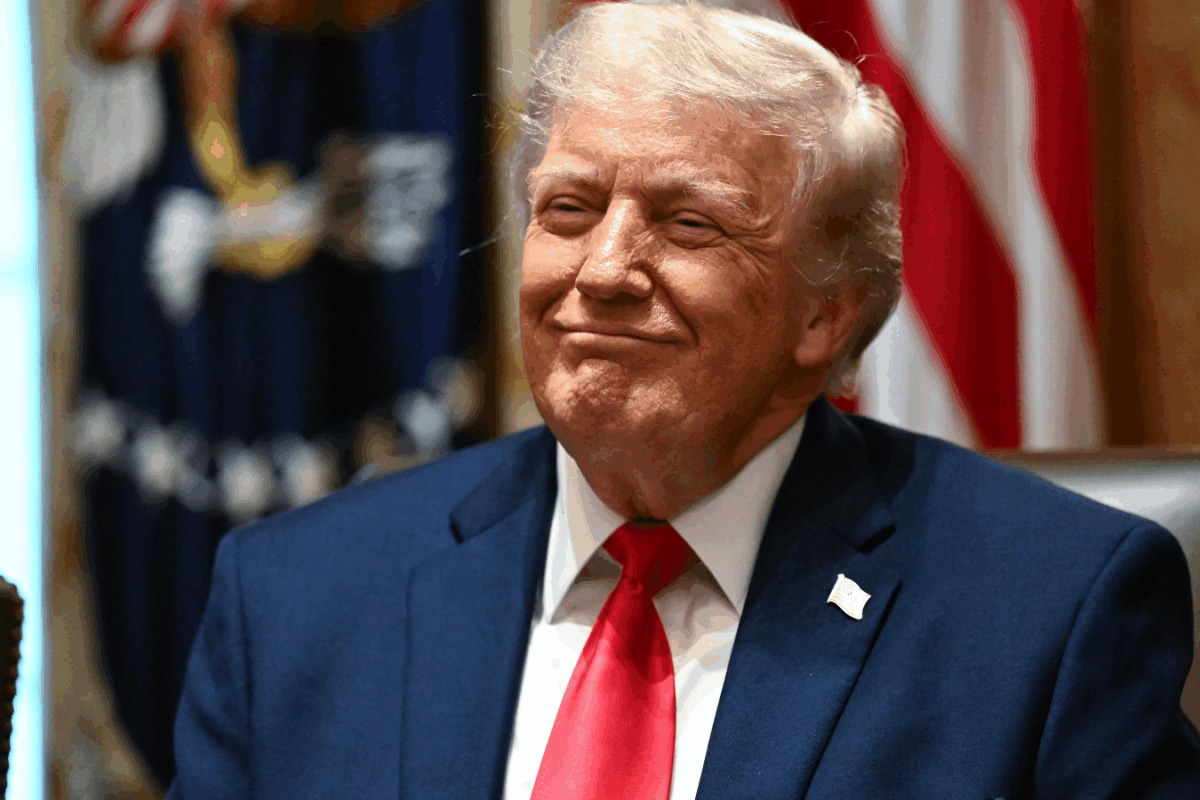
Trump Weighed A High-Risk Mission To Recover Iran’s Uranium, Then Changed Course. What Stopped Him? Published By, Last Updated: June 06, 2026, 09:13 IST Donald Trump said Washington considered sending troops into Iran to recover enriched uranium but abandoned the plan as too risky. Trump Says He Rejected Plan to Send US Troops Into Iran to Seize Enriched Uranium. (Photo by Kent NISHIMURA / AFP)} As the West Asia conflict resurfaced while Iran-US deal negotiations were still under way, President Donald Trump recently said he had considered, but ultimately rejected, a proposal to send American troops into Iran to retrieve enriched uranium. According to Trump, the operation was viewed as “too risky" and would have required a major military deployment. He said the mission would have taken at least two weeks to complete and involved moving large amounts of equipment into Iran. Trump referred to the nuclear material as “nuclear dust" and said military planners had examined possible ways of recovering it. Despite deciding against the operation, he suggested the United States still had the capability to carry out such a mission if required. “We could get it right now," Trump said. “I don’t think they could stop us if we wanted, but there’s no reason to. It’s entombed." The president indicated that the material was effectively trapped and did not require immediate action.
Trump says no deal needed to get uranium Trump said Washington did not need an agreement with Iran to obtain the country’s enriched uranium. Speaking to reporters in the Oval Office, he repeated that the United States had the ability to recover the material if it chose to do so. He also said he did not want to meet Iran’s Supreme Leader Mojtaba Khamenei. However, Trump added that such a meeting could take place if Washington and Tehran reached an agreement. “If it happened … I’d be respectful," he said. Mojtaba Khamenei, a 54-year-old Islamic cleric, became Iran’s supreme leader after his father was killed in the US-Israeli strike. Trump said that despite American and Israeli attacks targeting several members of Khamenei’s family, he expected him to remain professional. “We killed his father, his wife and his son, so I’m probably not his favourite person… But in some circles, he has a very good reputation, actually," Trump said. US prepares for possible nuclear agreement Even as Trump made those remarks, an Axios report said US envoys Steve Witkoff and Jared Kushner travelled to Oak Ridge, Tennessee, on Thursday to consult technical experts who could play a role in future nuclear negotiations with Iran. The White House is seeking a memorandum of understanding (MOU) with Iran aimed at ending the war and beginning detailed nuclear talks.
US officials and regional sources involved in mediation said both sides remain divided on several aspects of the proposed agreement. While negotiations are said to be in their final phase, it remains unclear whether a deal will be reached. A US official said the Oak Ridge visit did not guarantee an agreement but showed that negotiations had entered a serious stage. Expert team assembled Two US officials told Axios that a team of around 100 experts had recently been assembled to participate in nuclear talks if a preliminary agreement is reached. Witkoff and Kushner met members of that team to discuss preparations for implementing a possible deal. The experts are based at facilities including Oak Ridge Laboratory and the Y-12 Security Complex, which house specialists in uranium processing and centrifuge technology. According to US officials, Witkoff and Kushner agreed last week with Iranian counterparts on terms for a 60-day memorandum extending the ceasefire, reopening the Strait of Hormuz, allowing Iran to sell oil and launching talks on Iran’s enriched uranium stockpile and future enrichment limits. However, differences remain. Trump has sought a 60-day deadline for down-blending Iran’s enriched uranium, while Iran wants 90 days. There is also disagreement over the timing and amount of frozen Iranian funds that would be released.
An adviser to Iran’s supreme leader told CNN that negotiations were deadlocked over the frozen funds and that “the ball is in Trump’s court". US officials said the White House has received positive signals from Iranian negotiators but believes divisions remain within Tehran over how to proceed. News18 Newsletter Handpicked stories, in your inbox A newsletter with the best of our journalism submit About the Author News Desk The News Desk is a team of passionate editors and writers who break and analyse the most important events unfolding in India and abroad. From live updates to exclusive reports to in-depth explainers,... Read More Location: Washington D.C., United States of America (USA) First Published: June 06, 2026, 09:13 IST News world Trump Weighed A High-Risk Mission To Recover Iran’s Uranium, Then Changed Course. What Stopped Him? Disclaimer: Comments reflect users’ views, not News18’s. Please keep discussions respectful and constructive. Abusive, defamatory, or illegal comments will be removed. News18 may disable any comment at its discretion. By posting, you agree to our Terms of Use and Privacy Policy Loading comments...
 The BriefWire