Treat, not trick, data centre water
In 2002, Singapore's PM Goh Chok Tong drank a bottle of NEWater, a brand of recycled water treated from sewage to demonstrate that it was
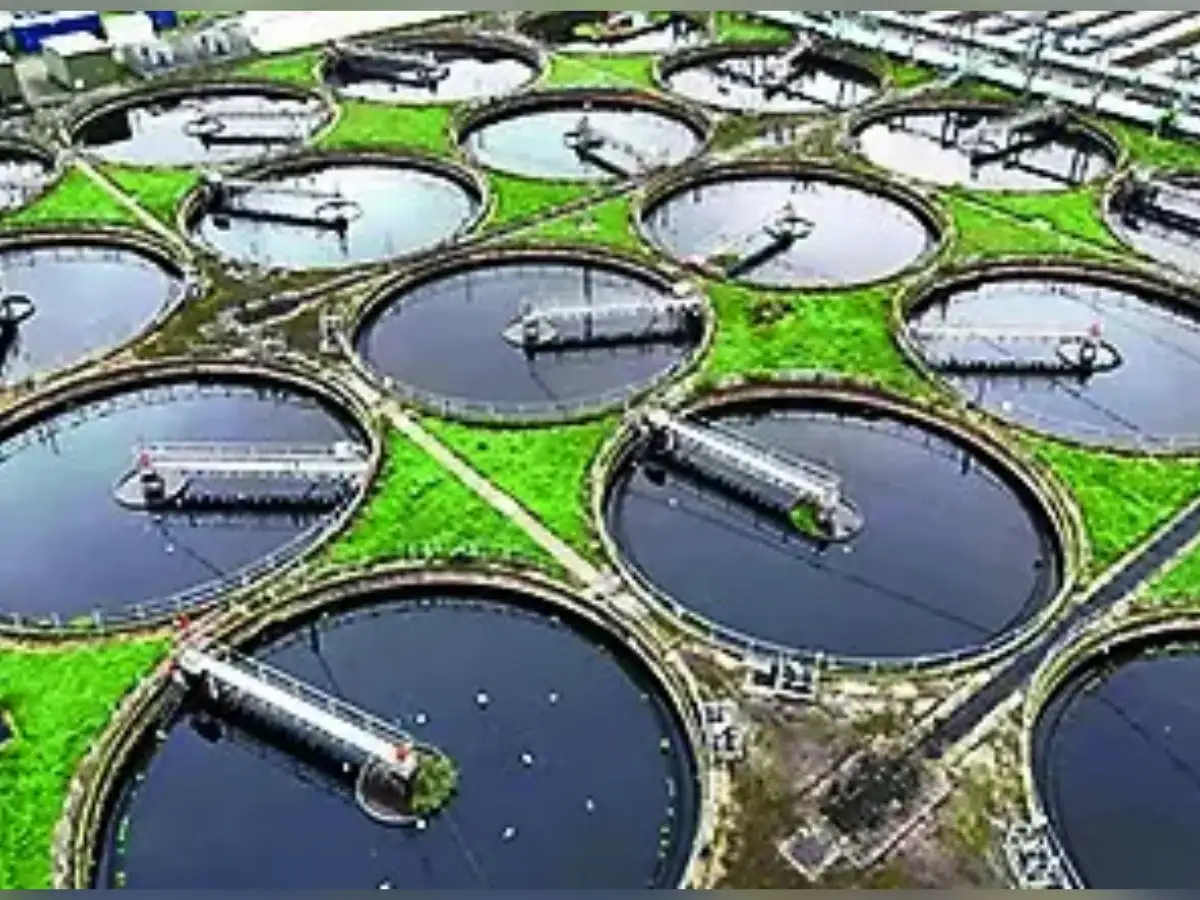
In 2002, Singapore's PM Goh Chok Tong drank a bottle of NEWater, a brand of recycled water treated from sewage to demonstrate that it was safe, and of high drinking quality. NEWater, used water passed through microfiltration, reverse osmosis and ultraviolet disinfection, exceeds WHO drinking water standards.Little of it, though, is drunk. Most goes to wafer fabrication plants, because semiconductors demand water far purer than humans do. The fabs polish it further, until water stops being a beverage and becomes a solvent. Every chip in every data centre has been rinsed thousands of times in water of this kind.Also read: Delhi data centre fire sparks nationwide operations safety reviewA municipal corporation in one of India's metros has priced treated sewage at ₹7.50 a kl for a proposed hyperscale data centre. The response was a rally, a demand for a stay, and a headline that travelled: a city short of 30 mn l a day (MLD) will hand 12 MLD to servers.The 30 MLD shortfall is of potable water, the 12 MLD is treated sewage.
Not one litre of the second is drawn from the first. Central Pollution Control Board's inventory (March 2021) put urban India's sewage at 72,368 MLD, with barely 20,000 MLD treated. The rest flows to rivers and the sea. The scandal is not that treated water is going to a data centre, but that for decades, it has been going to the sea, un-priced and un-protested. A paying buyer turns a disposal liability into revenue for the network that is 30 MLD short.How much water do data centres want? Nation First Policy Research & Change Foundation's May 2026 report, Beyond Infrastructure: India's Data Centre Pathway to Digital Sovereignty, models the demand. Capacity grows from 1,352 MW in 2024 to 8,318 MW by 2030 in the high-growth case, and water use is capacity times 8,760 hrs, a 0.8 load factor and WUE (water usage effectiveness).At a profligate WUE of 2.8 l per kWh, the 2030 figure is about 163 bn litres. India uses roughly 7 lakh bn litres a year, more than 4/5th of it in agriculture.
The entire sector, at its hypothetical thirstiest, is 1/50th of 1%. Practice is nowhere near 2.8. One global operator's 2025 disclosure reports a fleet WUE of 0.12.Set this beside the industries nobody pickets. Environment (Protection) Amendment Rules of December 7, 2015, permit thermal power stations 2.5-3.5 m3 of water per MWh. A modern data centre touches about 120 lakh per MWh of the electricity it draws. Central Ground Water Board (CGWB) puts Punjab's groundwater extraction at over 160% of recharge, mostly for paddy on free power.Critics demand 'shadow pricing' for data centres, the one industrial customer paying for its sewage. Applied even-handedly, the test puts paddy and thermal power at the head of the queue, and data centres somewhere behind golf courses.Also read: Andaman admin seeks firms to explore feasibility of AI data centre in Great NicobarDeny a data centre water, though, and heat must leave through dry chillers, drawing 10-65% more electricity. On a mostly thermal grid, total water use rises. Protesters demand the thirstier design and forbid the frugal one - evaporative cooling fed by treated effluent.So, what should municipal councils do?
 The BriefWire