Apple ends iPhone X era, looks ahead to 2027
There was a time when looking at an iPhone X was enough to make an older iPhone feel instantly dated.The home button was gone. The
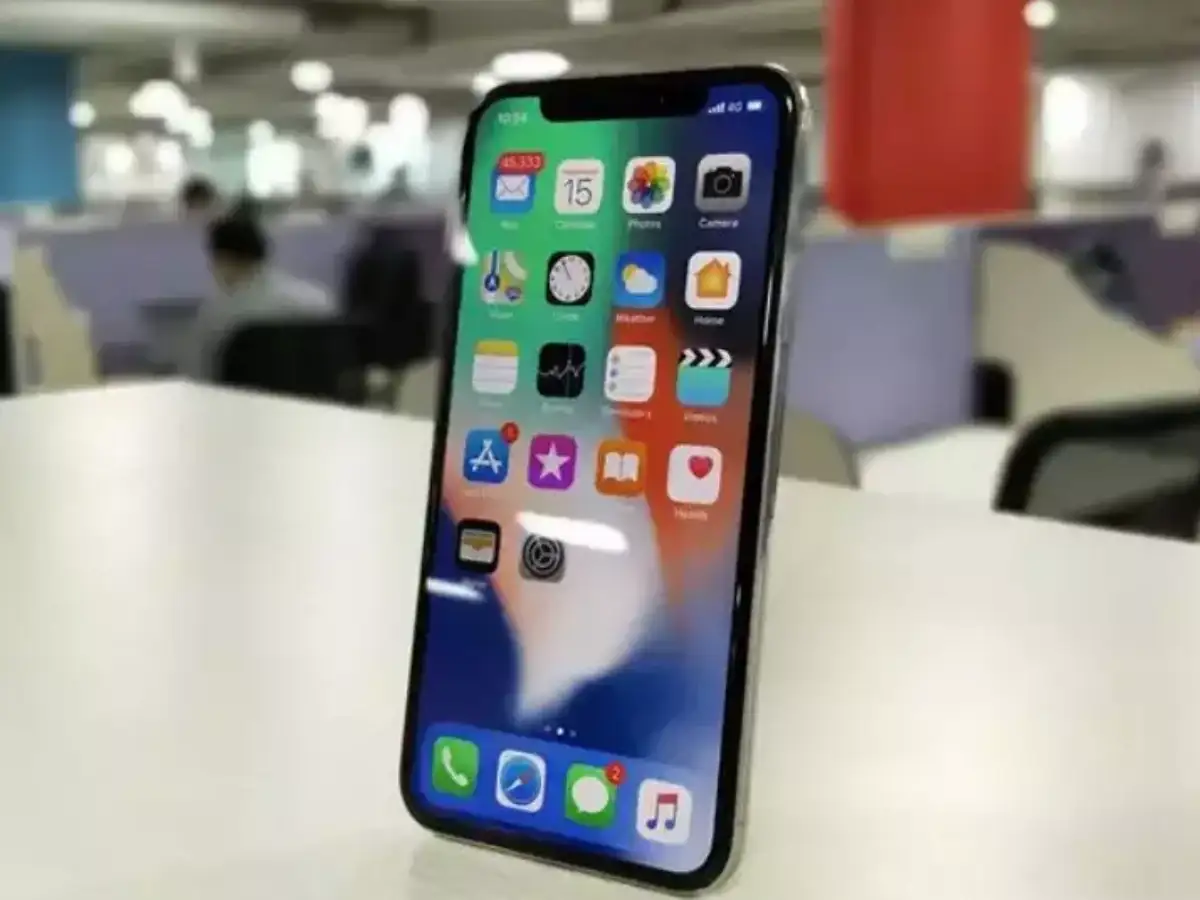
There was a time when looking at an iPhone X was enough to make an older iPhone feel instantly dated.The home button was gone. The screen stretched almost from edge to edge. Face ID replaced Touch ID. The familiar aluminium body gave way to glass and stainless steel. Even the notch, initially mocked as an awkward interruption to the display, became one of the defining visual signatures of the modern iPhone.Nearly nine years after it arrived, the iPhone X has now reached the end of its official life at Apple.Apple has added the iPhone X to its obsolete products list, meaning the company and Apple-authorised service providers will no longer offer hardware repairs for the device.
Apple classifies a product as obsolete once seven years have passed since it stopped distributing it. The iPhone X was discontinued in September 2018.Also Read: Apple iPhone 18 Pro launch: Check expected date, features, price and other detailsThe iPhone that became the templateLaunched in November 2017, the iPhone X arrived a decade after Steve Jobs introduced the original iPhone in 2007. It was positioned as a radical anniversary-era redesign — and it delivered a version of the iPhone that would become the foundation for much of what followed.It introduced Apple's first iPhone OLED display, removed the physical Touch ID home button and brought Face ID to the mainstream iPhone experience.
Its glass back and stainless-steel frame also established a premium design language that would continue to evolve across subsequent generations.In other words, today's iPhone owes a lot to the iPhone X. And Apple is now reportedly preparing to move beyond that design language too.It was expensive at $999 for the base 64GB model. But the premium price did not stop the iPhone X from becoming an important financial success for Apple. Counterpoint Research estimated that the iPhone X reached 63 million cumulative shipments in its first 10 months and helped Apple generate a revenue “super-cycle”, lifting average selling prices and contributing to record iPhone revenue.The iPhone X helped establish the idea that a radically redesigned, premium iPhone could command a premium price while simultaneously setting the design direction for years to come.Its final major software update was iOS 16, released in 2022.
Since then, the iPhone has moved into a very different era, defined by Apple Intelligence, increasingly sophisticated cameras and new form factors.From iPhone X to a glass-centric iPhoneApple introduced the first iPhone in 2007. In 2017, the company marked the product's first decade with the iPhone
 The BriefWire