Alaska rebuilt a gold-mining damaged creek; salmon runs rose si fold
Resurrection Creek, near the small town of Hope in Southcentral Alaska, has a long history of gold mining. Image: U.S. Forest Service From gold rush
Resurrection Creek, near the small town of Hope in Southcentral Alaska, has a long history of gold mining. Image: U.S. Forest Service From gold rush to ecological degradation A restoration effort returns salmon The Forest Foundation report clarifies that the first major restoration project on Resurrection Creek was a 1.5-mile reach started in 2006 by the U.S. Forest Service. Resurrection Creek: A fresh start Restoring a river’s past—and its future For decades, gold mining has done more than alter the scenery around Resurrection Creek in Alaska, it has changed the creek itself. Degradation of riverbanks, alteration of stream channels and loss of wetlands that once provided habitat for salmon and wildlife. But nearly 20 years ago, restoration efforts began to undo some of the damage, states a report by the Forest Foundation. The results were a potent reminder of nature’s ability to respond when damaged waterways are allowed to heal.Resurrection Creek, near the small town of Hope in Southcentral Alaska, has a long history of gold mining.
In the gold-mining rush of the early 20th century, when the town supposedly had over 3,000 people, hope was booming. Today, the settlement is home to about 100 people, states the report. For more than 40 years, Resurrection Creek was used for hydraulic and heavy equipment placer mining. Mining disturbed soil and riverbanks, changing the creek’s natural channels and the surrounding ecology. Much of the wetland and stream habitat that salmon need for spawning was lost in the lower 6 miles of the creek. The ecological damage was not just to fish.The wetlands and forests of the creek were once important habitat for bears, moose, bald eagles, harlequin ducks and dozens of other species.The Forest Foundation report clarifies that the first major restoration project on Resurrection Creek was a 1.5-mile reach started in 2006 by the U.S. Forest Service. The project aimed to reconnect the creek to its historic floodplain and restore natural stream features such as channels, pools and riffles and the results were breathtaking.
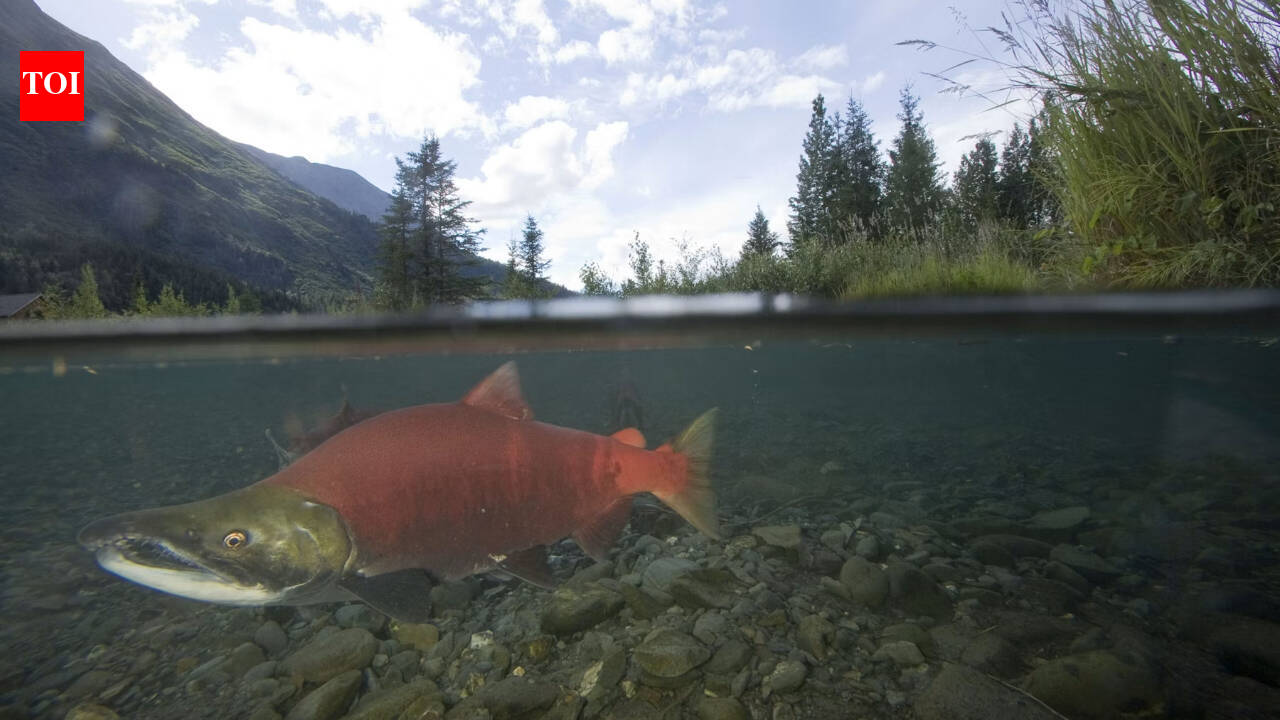
In the years after the restoration, salmon runs in Resurrection Creek increased si fold, an indication of the potential of well-planned habitat restoration to help recover degraded ecosystems. But the work could not go on forever. The project was stalled for more than a decade due to lack of funding, with much of the damaged watershed waiting for another opportunity to recover.In early 2021 momentum ramped up again when the Forest Foundation, Trout Unlimited, Hope Mining Company and the U.S. Forest Service partnered to advance the next phase of restoration. Another 2.2 miles of Resurrection Creek will be restored and 74 acres of riparian habitat improved as part of a $7 million effort led by the Forest Foundation. The work builds on techniques used in the successful 2006 restoration, aiming to restore some parts of the creek closer to historic stream channels. A $3.8 million grant from the Oceanic and Atmospheric Administration’s Transformational Habitat Restoration and Coastal Resilience Grant program has also provided a significant boost to the effort, states the report.It’s not just about salmon.
 The BriefWire