Cape Cod barrier blocking native trout for 73 years is set to be removed
Trout representative image A stream with a rich history How the trout disappeared Restoring the flow A collaborative effort Ecology and biodiversity A legacy of
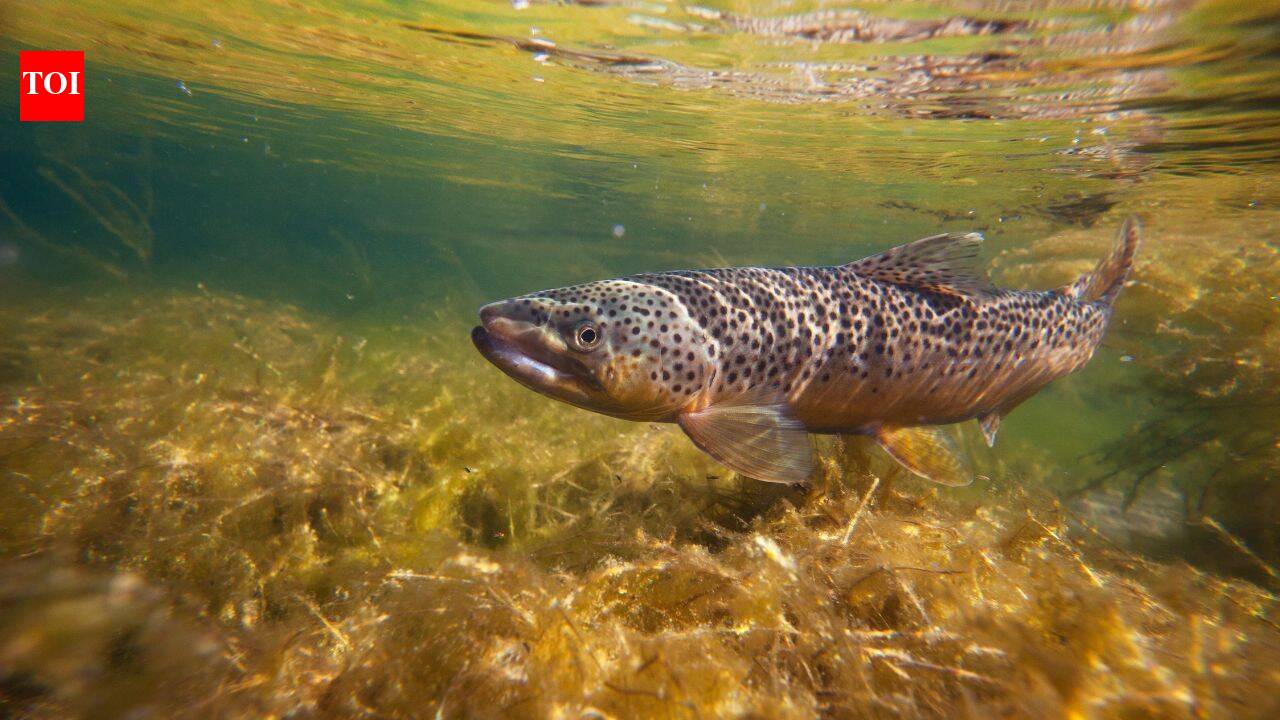
Trout representative image A stream with a rich history How the trout disappeared Restoring the flow A collaborative effort Ecology and biodiversity A legacy of restoration For more than seven decades, a quiet stream in Wellfleet, Massachusetts, has been held back by a concrete barrier. Fresh Brook, once known as “Trout Brook,” was a thriving habitat for native sea-run brook trout, locally called “salters”, until the early 1950s. Anglers from across the country travelled to Cape Cod to fish in its one-and-a-half-mile stretch of cold, spring-fed water. But a series of construction projects, culminating in the installation of a concrete weir in 1953, cut off the trout from their ancestral spawning grounds and turned a lively ecosystem into a stagnant pool.Now, after years of planning and partnership, that weir is set to be removed. The Fresh Brook Restoration Project, led by Cape Cod Seashore and a coalition of partners, aims to restore the stream’s natural flow, bring back tidal influence and reintroduce a self-sustaining population of sea-run brook trout for the first time in more than 70 years, according to Park Service.Fresh Brook’s story stretches back centuries. Along its banks once stood Fresh Brook Village, a bustling community of farmers, mackerel fishermen and their families that thrived from about 1700 to 1910. In the 1850s through the 1880s, the village was at its peak, with homes, a store and a lively connection to Wellfleet Harbor.But the construction of the Old Colony Railroad in 1870 changed everything.An earthen embankment with a wide culvert allowed some fish passage, but it cut off small boat access from the village to the harbor, isolating the community. Over time, the village declined.
By 1910, only three houses remained where there had once been twelve.In about 1900, Richard Freeman amassed 84 acres around Fresh Brook and formed a fishing club with friends from Boston. For decades, the club fished for trout in the stream, continuing a tradition that had drawn anglers to Wellfleet for generations, according to the report.The decline of Fresh Brook’s trout population was not sudden. It was the result of decades of infrastructure projects that slowly choked the stream’s natural flow.The construction of Route 6 in 1948 created a culvert under the highway that restricted part of the river to just one foot wide. Then, in 1953, the Cape Cod Rail Trail was built, replacing the original wide culvert under the railroad with a two-foot-wide pipe. Though this largely restricted the flow of the stream, it was the construction of a concrete weir on the upstream side of the rail trail that ultimately led to the loss of “salters” in “Trout Brook. ”The weir is a vertical concrete barrier that extends up from the base of the culvert. Water can flow freely over the weir down into the culvert, but water from Wellfleet Bay does not reach high enough for fish to get over the barrier. As a result, the obstruction makes it impossible for the trout to migrate upstream to their spawning grounds at the cold-water source. The presence of the weir has created a large area of impounded water above the rail trail, which drains into the culvert but no longer supports the tidal exchange that trout need to survive.The goal of the Fresh Brook Restoration Project is simple but transformative: remove the weir, drop the water level, improve flow and restore tidal influence.
 The BriefWire