RBI upbeat as worst of Iran war shock recedes
Five months after the Iran war raised fears of an inflation spike and an economic downturn, Indian officials are sounding more confident as the worst
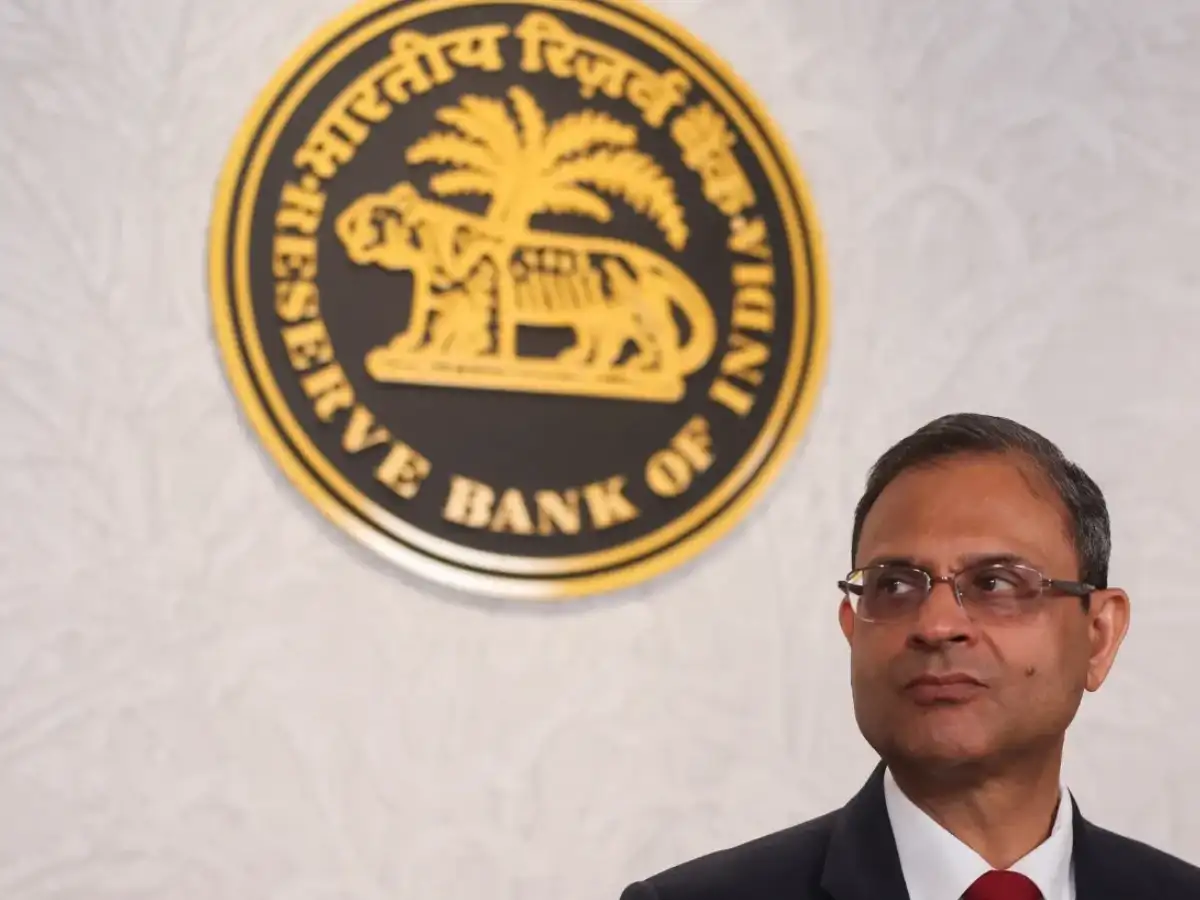
Five months after the Iran war raised fears of an inflation spike and an economic downturn, Indian officials are sounding more confident as the worst of those concerns have so far failed to materialize.Inflation picked up slightly last month but remained within the Reserve Bank’s 2%-6% tolerance band, data Wednesday showed. Consumer demand has also held up, with vehicle sales at record levels, credit growth climbing to a two-year high and GST receipts rising at a double-digit pace.Also read: RBI proposes new interest rate rules for regulated entities, seeks public commentsThe resilience is a welcome surprise for an economy that had appeared particularly vulnerable to the surge in oil prices triggered by the conflict. While questions remain over the durability of growth — and monthly indicators can be volatile — the outlook is less precarious than it appeared in March.Governor Sanjay Malhotra reflected that shift this week, pointing to resilient growth, inflation “more or less under check,” healthy corporate balance sheets and a “robust” external sector as reasons for confidence.“What is amazing and what’s important to keep in mind,” Malhotra said at a banking conference in Mumbai, is that India emerges “much stronger” from every crisis.133198957One of the reasons for the relatively rosier picture is a sweeping overhaul of India’s tax system last year, which reduced prices on everything from cars and appliances to everyday household goods, freeing up disposable income, according to economists.The optimism was evident in the latest earnings season.
India’s largest consumer-goods maker, Hindustan Unilever, said fears of an “inflation-led impact” on demand hadn’t materialized, while Britannia Industries described the environment as “strong.” Mahindra & Mahindra reported “very strong demand momentum” across urban and rural markets, with recent price increases having little effect, while TVS Motor pointed to resilient spending in rural and semi-urban areas.Also read: India’s July inflation quickens to 4.45% from 4.38% in June, stays above RBI targetAs India enters the festive season culminating in Diwali — the Hindu festival of lights — businesses are building inventories, ramping up production and adding temporary workers in anticipation of a pickup in demand.“It is unlikely that the RBI would choose to disrupt festive consumption momentum,” said Debopam Chaudhuri, chief economist, Piramal Group. “Historically, the RBI has rarely opted for policy rate hikes during the October–December period, preferring to avoid measures that could dampen consumer demand at a time when discretionary spending is typically at its strongest.”Dark clouds are still looming, however.War-related uncertainty hasn’t yet receded.
 The BriefWire