Australian family turns remote sheep farm island into $4.8m wildlife haven
How an Australian couple turned an island into a safe haven for endangered wildlife $4.8 million project is removing cats, rats and mice Endangered mammals
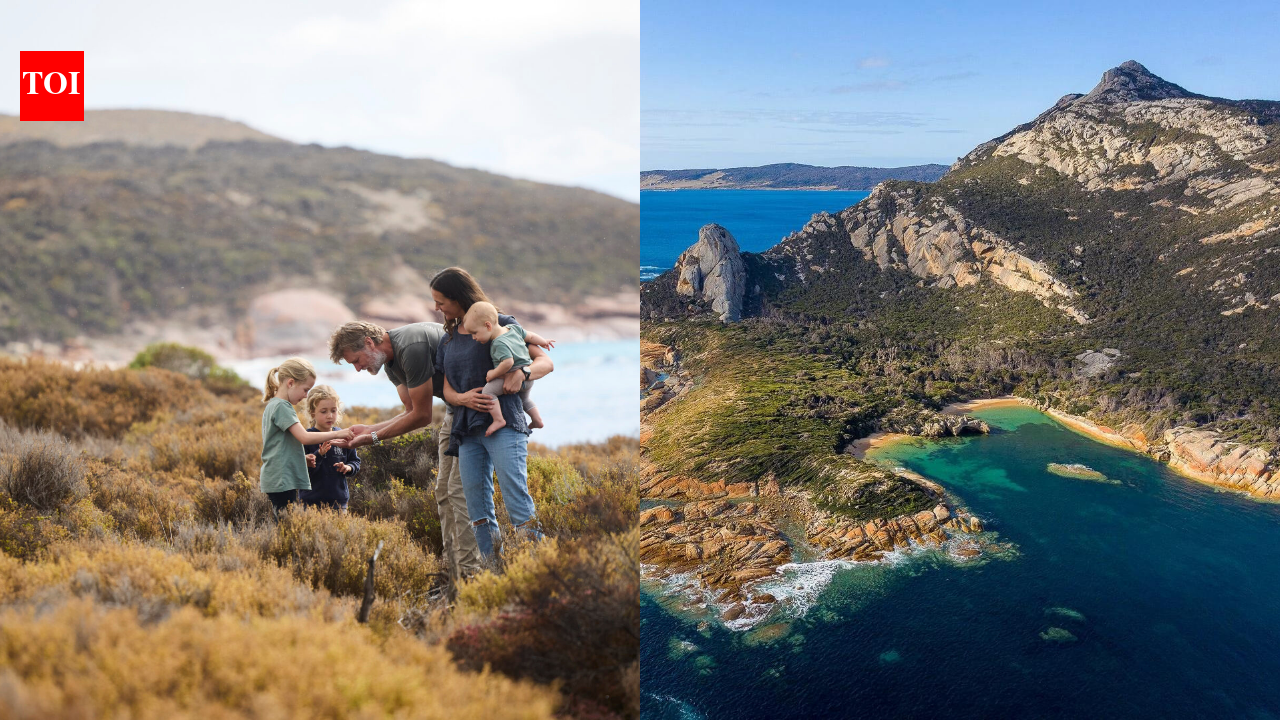
How an Australian couple turned an island into a safe haven for endangered wildlife $4.8 million project is removing cats, rats and mice Endangered mammals could return once the island is declared safe The Woolfords will remain the island's long-term stewards An Australian family who once built their life around sheep farming on a remote island are now helping give the same place a completely different future. Peter and Pamela Woolford took over Flinders Island off South Australia's Eyre Peninsula and raised their family there while running a Merino sheep station. Nearly five decades later, the island is at the centre of a $4.8 million conservation project backed by the Australian and South Australian governments. The project is removing livestock and targeting invasive cats, rats and mice to prepare the island for threatened wildlife. The Woolfords are working alongside government agencies and conservation experts while retaining ownership of the island. If the eradication effort is formally confirmed in 2027, endangered mammals could eventually be reintroduced to the island, creating a long-term wildlife refuge.Peter and his first wife, Pamela Woolford, took on Flinders Island almost five decades ago and moved there with their young sons, Jonas and Tobin. Jonas was about one year old while Tobin was only six weeks old when the family began their isolated life on the island.
The property covers about 3,854 hectares and lies roughly 30 to 35km off the Eyre Peninsula. The family ran it as a Merino sheep station and eventually converted the island to freehold in the mid-1980s.Jonas and Tobin grew up surfing, fishing and exploring the island while receiving School of the Air lessons through the radio. Sheep farming continued for decades, but the challenges of running an isolated pastoral operation eventually pushed the family to consider a different future for the property.The move towards conservation developed gradually. Discussions about Flinders Island's potential began in 2019, but the plans were temporarily put on hold during the COVID-19 pandemic. The pandemic later brought Jonas and Tobin back to the island with their own families. They spent months there and began thinking about how the property could move beyond farming. The family developed a vision built around family, legacy, sustainability and low-level ecotourism. Their plans eventually led to Flinders Island Eco Escape while the family continued its abalone business. Sheep farming had already wound down in the early 2000s, and the island's final livestock were removed during the conservation operation in 2025.The Australian and South Australian governments invested $4.8 million in 2024 to establish the Flinders Island Safe Haven project.
 The BriefWire